

Top 5 Lightweight Wind Jackets for Running, Hiking, and Travel

Intro:
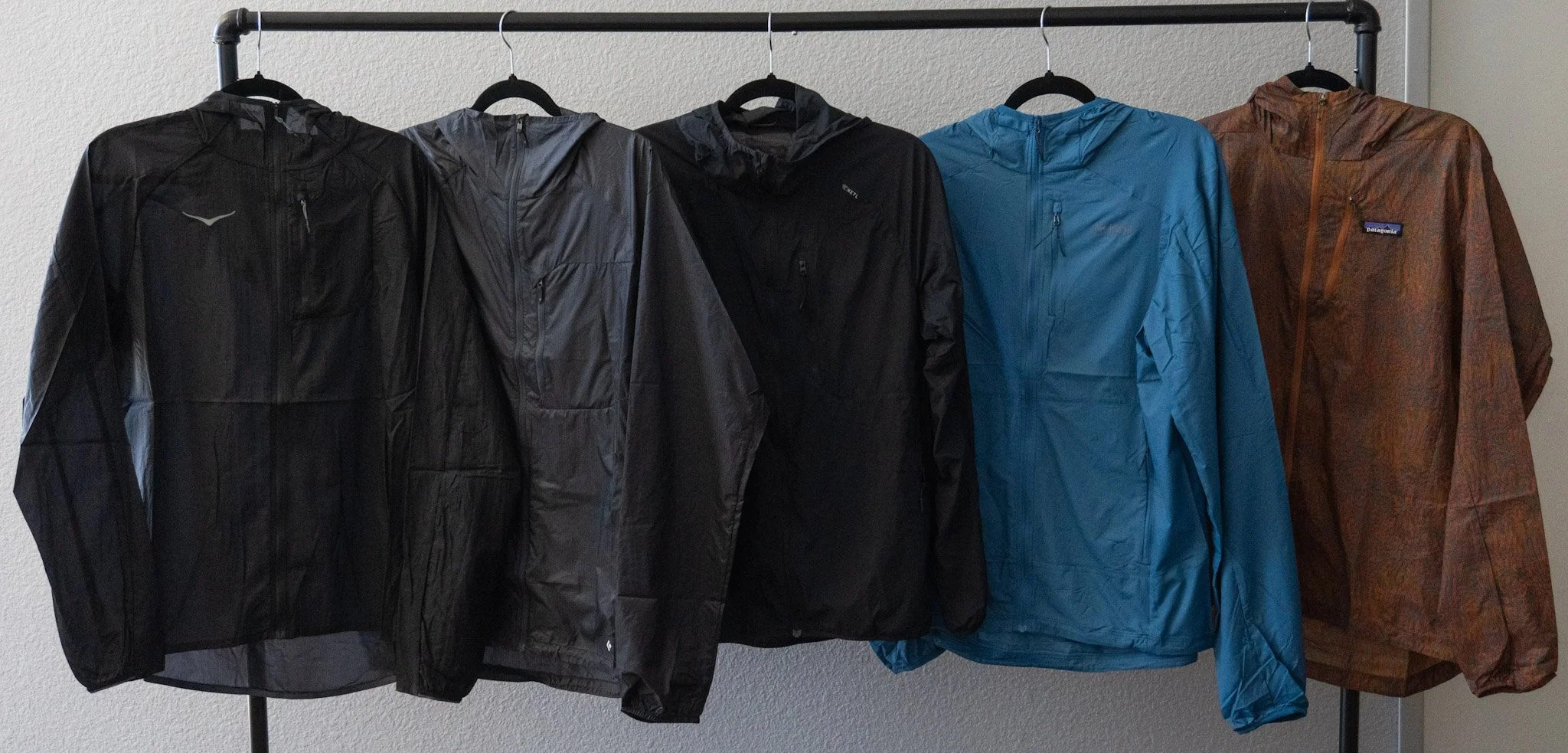
For wind jackets on paper, the job is easy. Cut a little wind. Pack small. Come out when the weather turns. But once you actually start wearing them on runs, hikes, windy ridgelines, travel days, and all the in-between stuff, the differences get obvious pretty quickly.
Some feel like emergency layers you carry more than wear. Some are clearly built for runners and start making less sense the second you step outside that lane. Some block wind well, but feel clammy the moment your effort level goes up. And a few manage to hit the harder balance, where they actually feel useful across a wider range of real conditions.
There is not one perfect lightweight wind jacket here for every person and every use case. But there are some pretty clear winners depending on whether you care most about running comfort, mountain protection, packability, or just finding the one that checks a lot of boxes for many use cases.
The Verdict
If you are shopping for a lightweight wind jacket, the first thing worth figuring out is whether you want a specialist or one that does everything well.
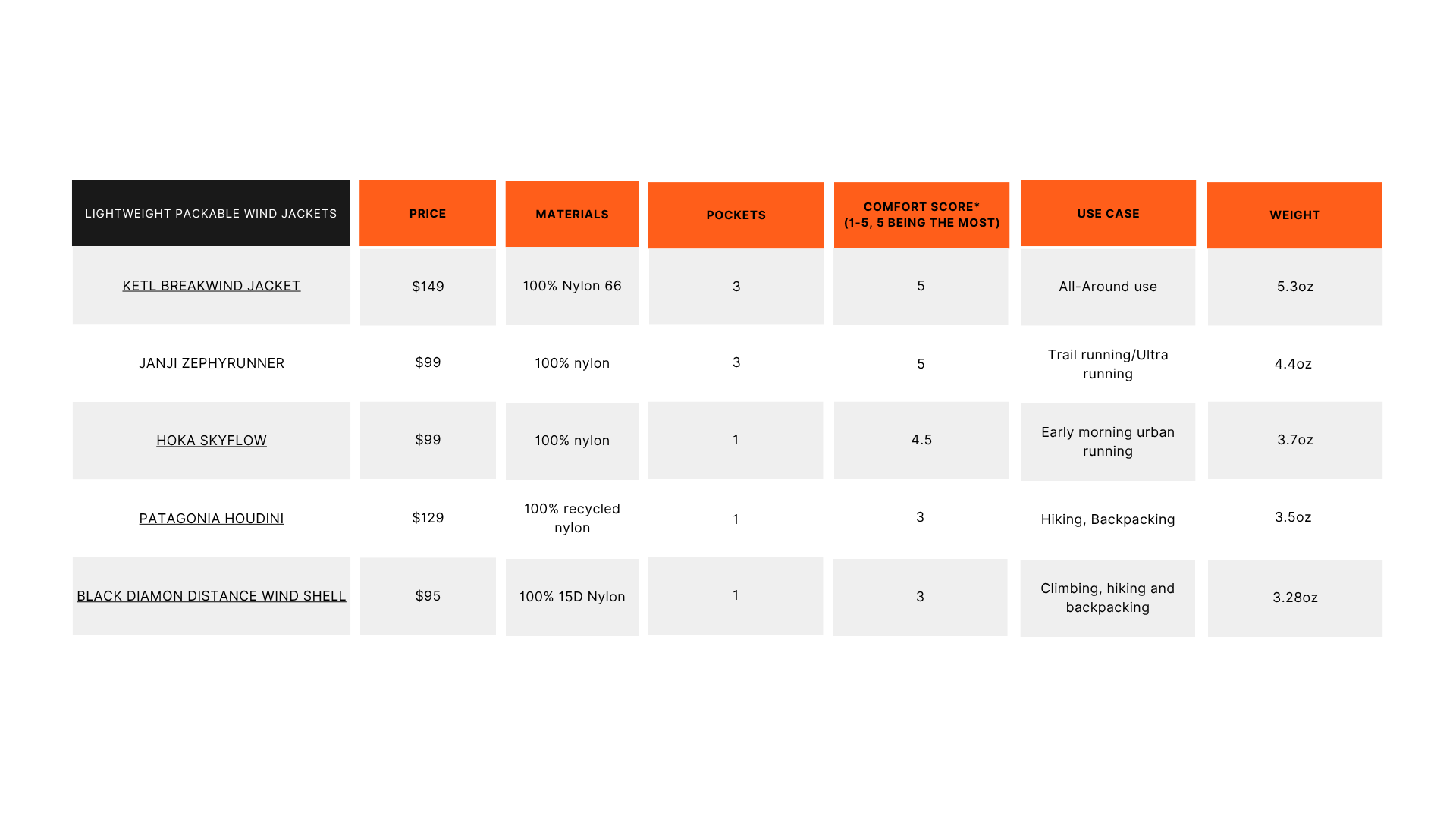
Some of these are at their best in a pretty narrow lane. The HOKA Skyflow is great for breezy morning runs. The Janji Zephyrunner is the strongest running-specific jacket in the group. The Patagonia Houdini still makes a ton of sense as a tiny just-in-case shell for hiking, backpacking, and travel. And the Black Diamond Distance Wind Shell feels the most mountain-specific, especially for hiking, scrambling, and fast-and-light days where protection matters more than venting. The KETL Breakwind jacket was not the lightest or the most specialized, but it kept making the most sense on the widest range of days.
It is not the most stripped-down jacket here, and it is not the most niche. That is kind of the point. It balances wind protection, breathability, durability, and everyday usefulness better than the others, which makes it the one I would hand to the widest range of people without having to add a bunch of qualifiers.
KETL Breakwind Jacket ($149): Best All-Around Lightweight Wind Jacket
Nitty Gritty:
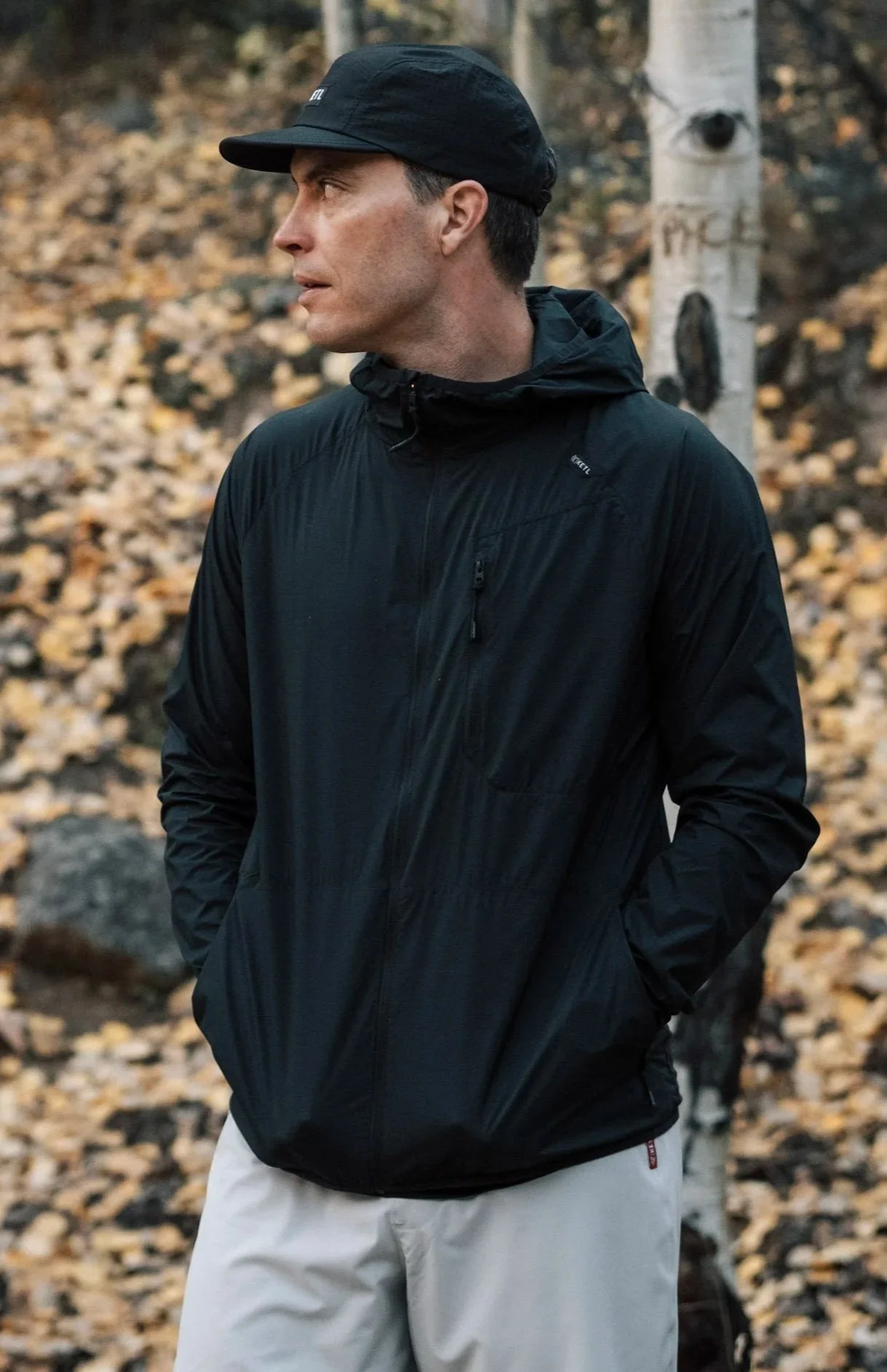
Fabric: 100% Nylon 66
Fabric weight: 52 gsm
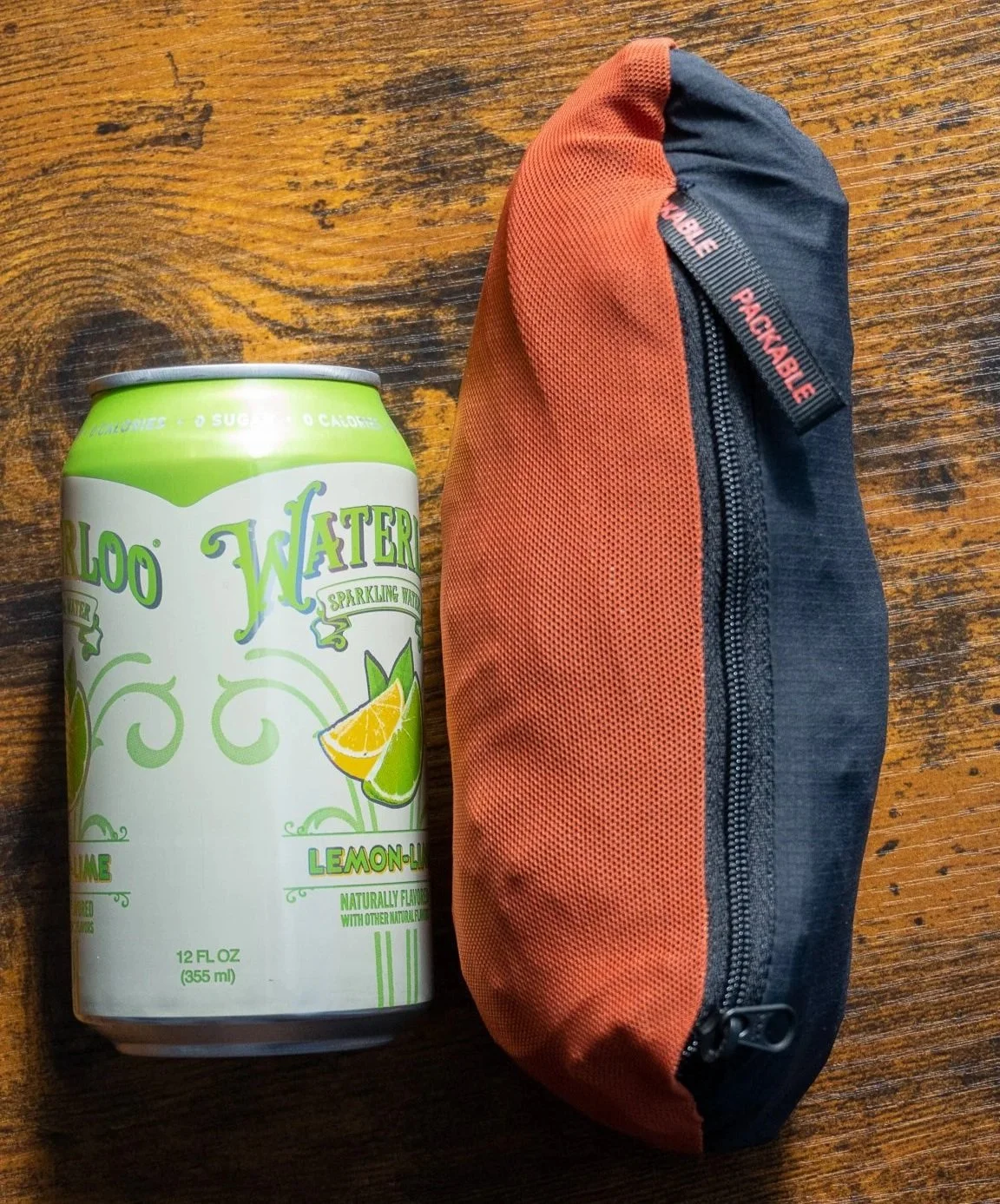
Weight: 151g in size medium
Weather protection: Wind-resistant shell with PFAS-free DWR finish
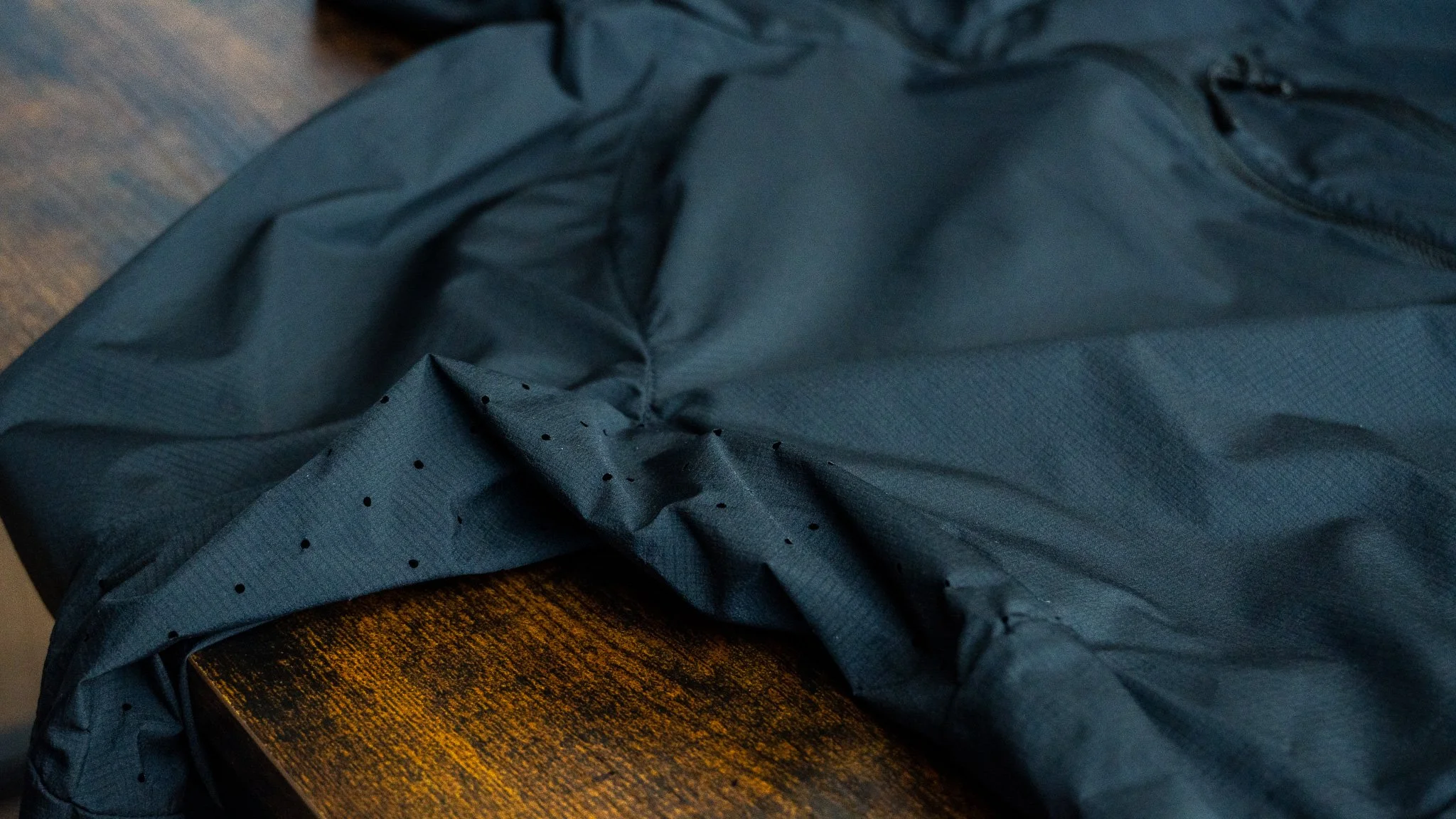
Ventilation: Laser-perforated underarms and back panel
Storage: Two zip hand pockets and one zip chest pocket that doubles as the stuff pocket
Hood: Fitted hood with elastic hem
Extra feature: Thumb loops
Best for: Trail running, mountain biking, hiking, backpacking, fastpacking, and travel
+What We Like
Really good balance of wind protection and breathability
Versatile enough to make sense across a lot of different uses
Feels more durable than some ultralight shells
Pocket layout is genuinely useful
Easy to bring, easy to keep wearing
-What We Don’t Like
Slightly heavier than the most minimal shells here
Fine in light moisture, but still not a rain jacket
Field Test:
A lot of lightweight wind shells are easy to like in theory, but once you actually start rotating them into normal life, they reveal how specific they are. Some are great until the pace goes up. Some feel good on the move but start to feel a little underbuilt everywhere else.
The Breakwind never really fell into any of those traps. It worked on windy runs, bike rides, hikes, cool mornings around town, and the kind of shoulder-season days where you are not fully sure what the weather is doing. It blocks enough wind that it feels worth putting on, but it does not immediately cross over into that sealed-off, sweaty feeling that a lot of shells in this category hit too fast.
That balance helps this jacket stand out so much. It also feels a little more substantial than some ultralight pieces do, in a good way. Not heavy. Not bulky. Just less like a fragile emergency layer that is too thin to do anything in. If your version of normal use includes brush, backpack straps, trail riding, repeated stuffing and unstuffing, or just generally not treating gear like museum art, that matters.
Fit & Who It’s For:
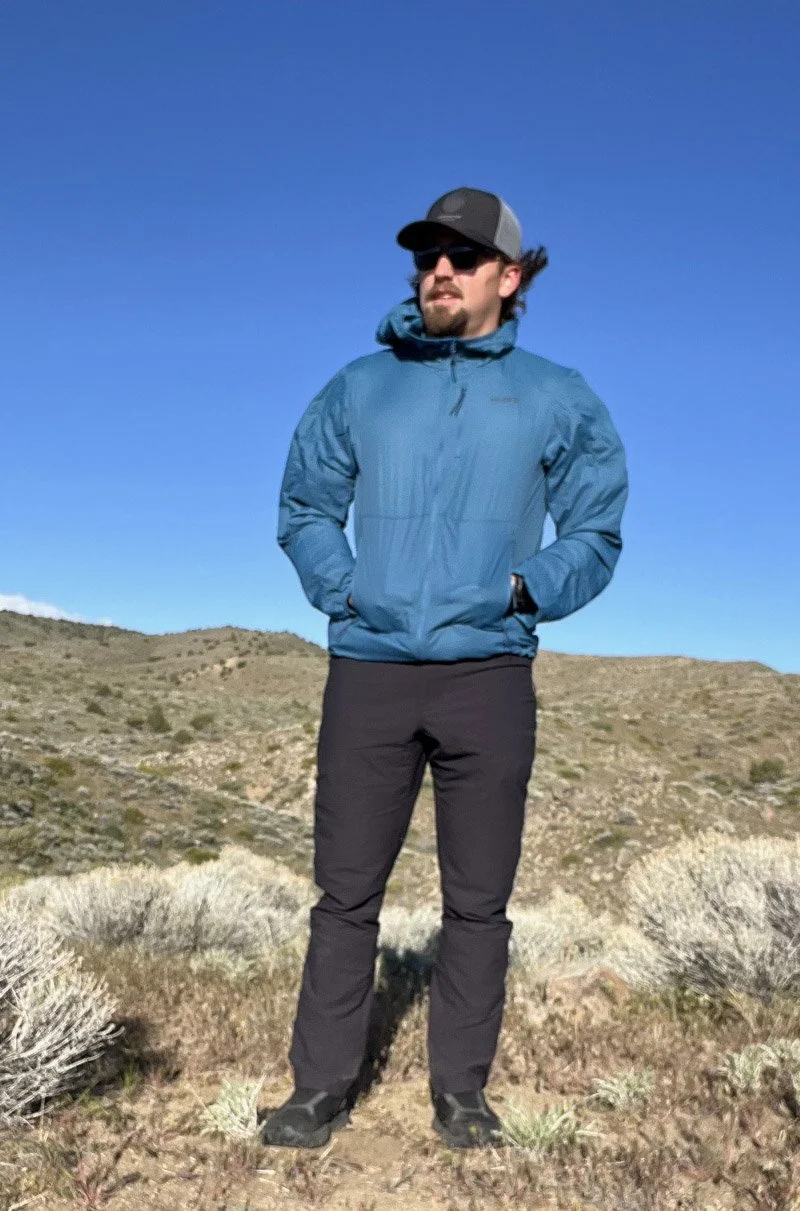
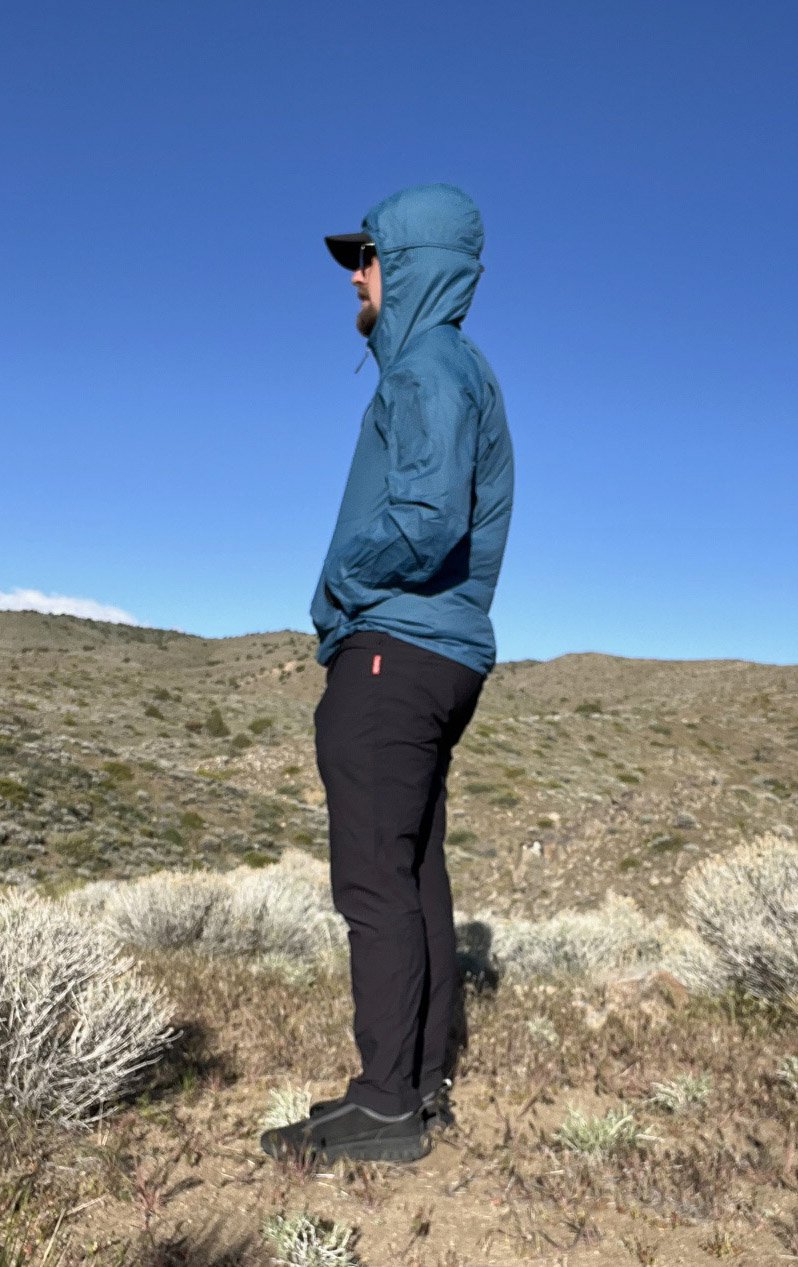
This is the best pick here for someone who wants one wind jacket that can do a little bit of everything without constantly reminding you what it was really designed for. If you want one wind jacket that works across a lot of different uses, this is the one that makes the most sense.
Janji Zephyrunner ($156): Best Running-Specific Wind Jacket
Nitty Gritty:
Shell fabric: 100% nylon with PFC-free C0 DWR finish
Weight: 124g / 4.4 oz in a men’s medium
Breathability: 16 CFM fabric
Venting: Back panel venting
Pockets: Two zip hand pockets and one zip chest pocket
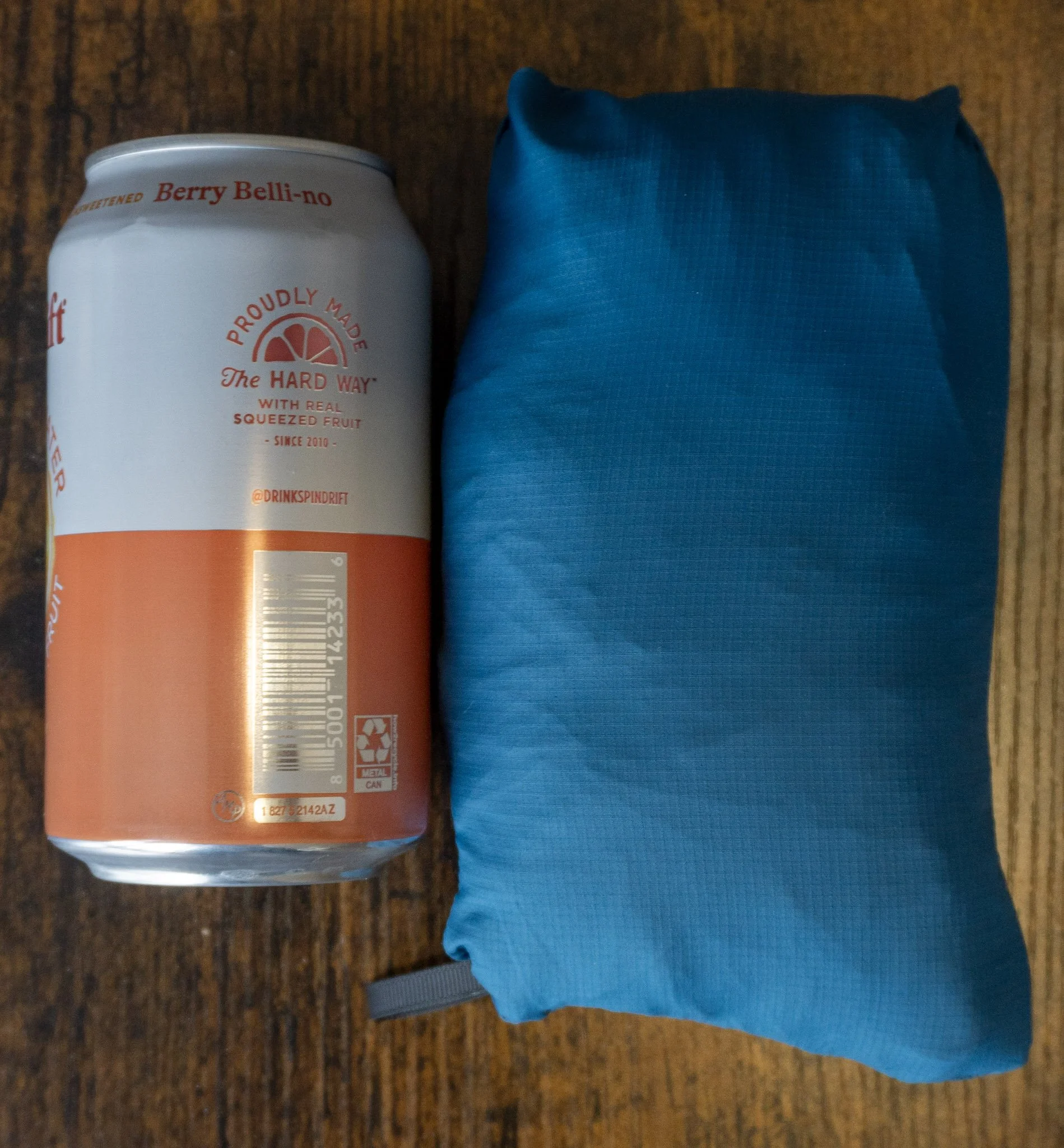
Packability: Stows into its chest pocket
Fit: Regular fit with hood toggle and bungee hem
Best for: Trail running, ultras, fast hiking, shoulder-season movement, and travel
+What We Like
Comfortable while actually running
Nice balance of protection and airflow
Quiet fabric
Venting helps once the pace comes up
Strong pocket setup for a running-focused jacket
-What We Don’t Like
Light moisture is fine, but weather resistance is not its strong suit
Feels more run-first than true do-everything versatile
Field Test:
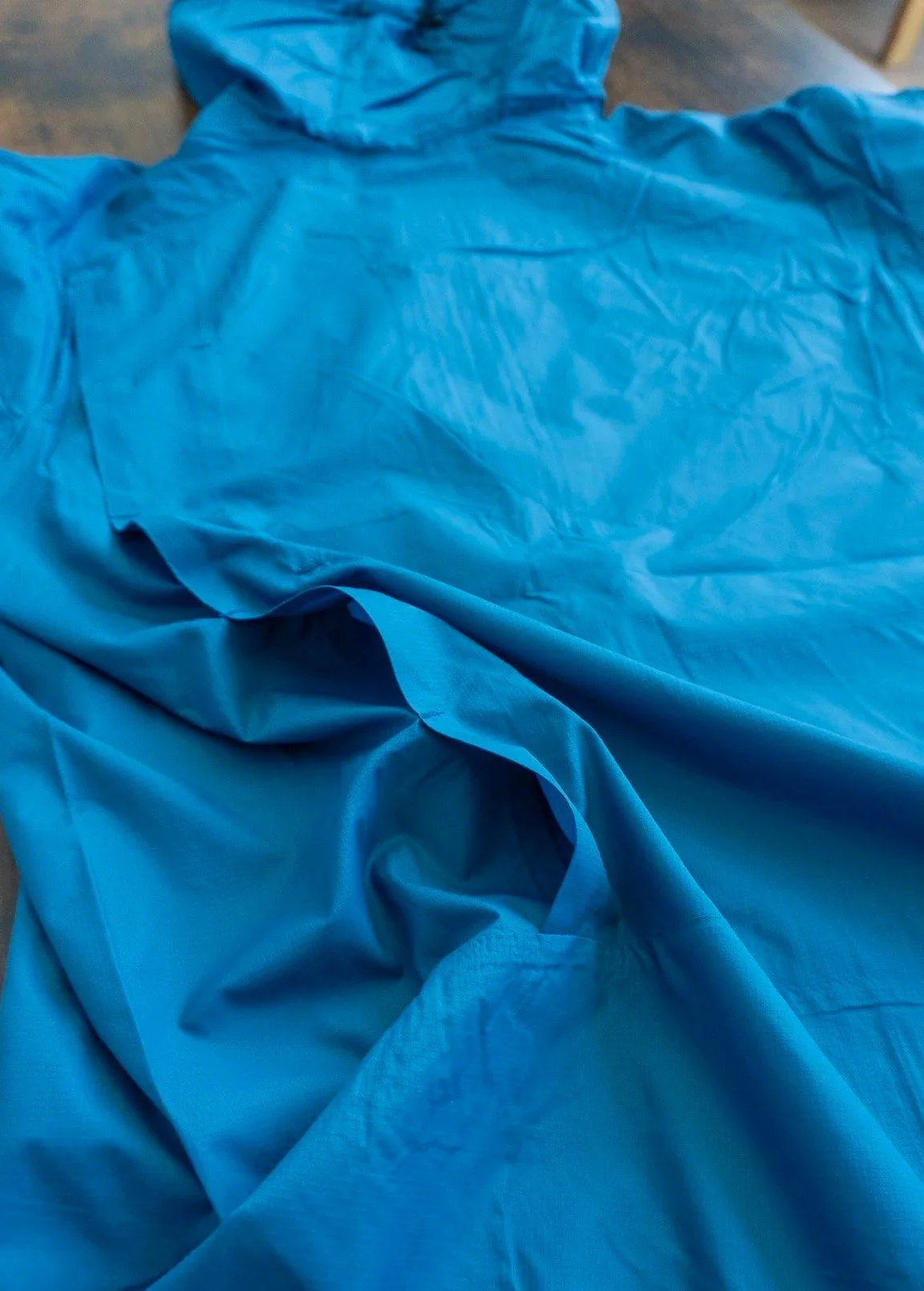
The Zephyrunner feels like it was designed by people who expected it to be worn, not just carried. That is a bigger compliment than it sounds like. Plenty of wind jackets work fine once they are on, but feel noisy, plasticky, or just slightly annoying in motion. The Janji does not really have that problem. It moves well, stays pretty quiet, and feels notably better than average during actual runs, especially once the effort level starts climbing.
The venting helps, the fabric helps, and the overall feel is just more comfortable than a lot of thin shells in this category. It does a good job taking the edge off the wind without making you immediately want to peel it back off halfway through a climb.
The tradeoff is that it still feels pretty purpose-built. That is not a criticism, just part of the picture. This is one of the better fits here if your world revolves around running, fast hiking, and moving light. It makes a little less sense if you want one jacket to split time evenly between mountain travel, everyday wear, biking, and everything else.
Fit & Who It’s For:
If your main priority is finding a wind shell that feels good during actual runs, the Zephyrunner is one of the better fits here.
It makes the most sense for trail runners, road runners, and fast hikers who care more about on-the-move comfort than all-around versatility. If you want a broader one-jacket answer, there is a more complete option above it. But for run-first use, this one feels especially dialed.
HOKA Skyflow Jacket ($118): Best for Cool Starts and Breezy Runs
Nitty Gritty:
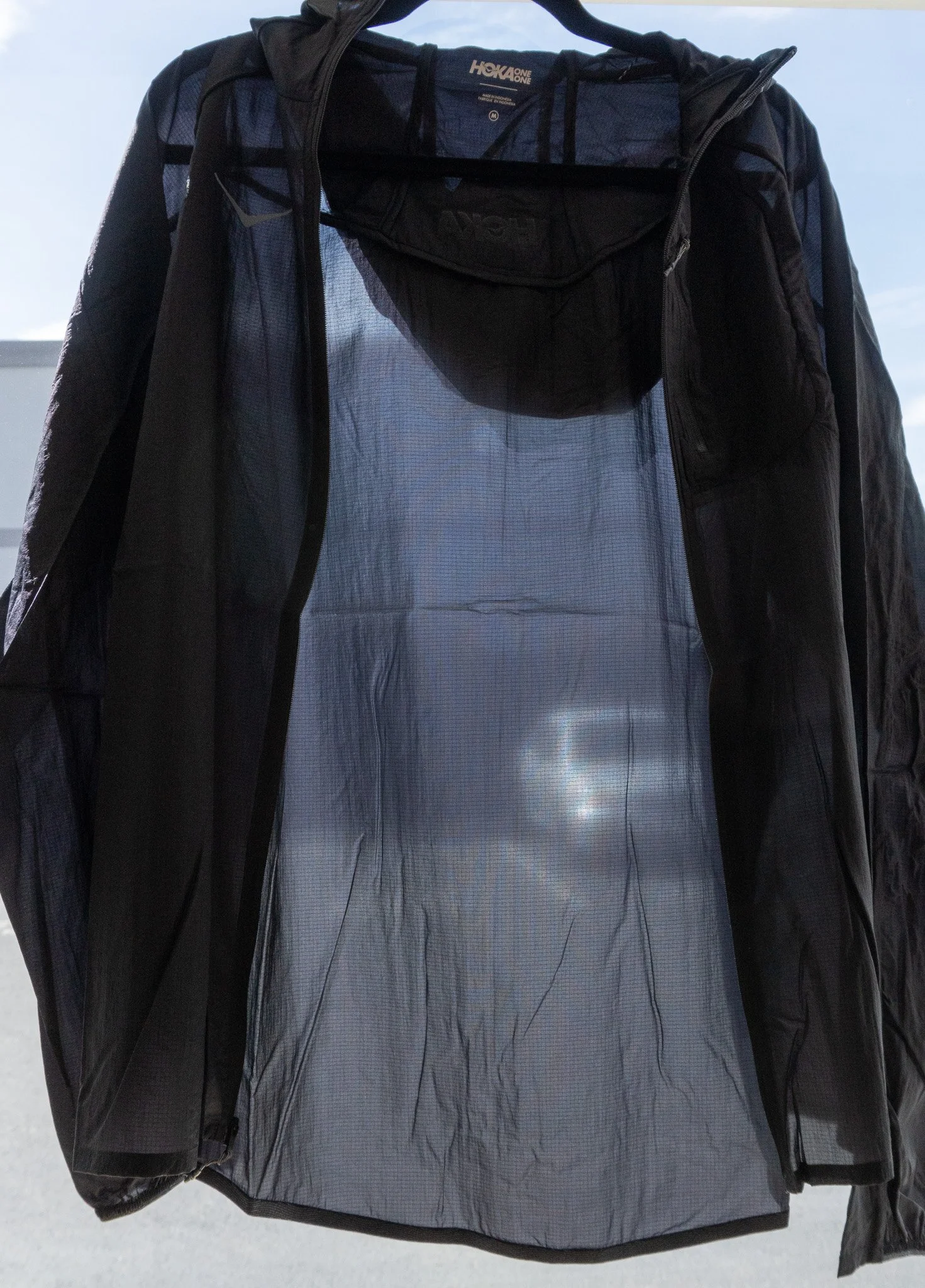
Fabric: 100% nylon
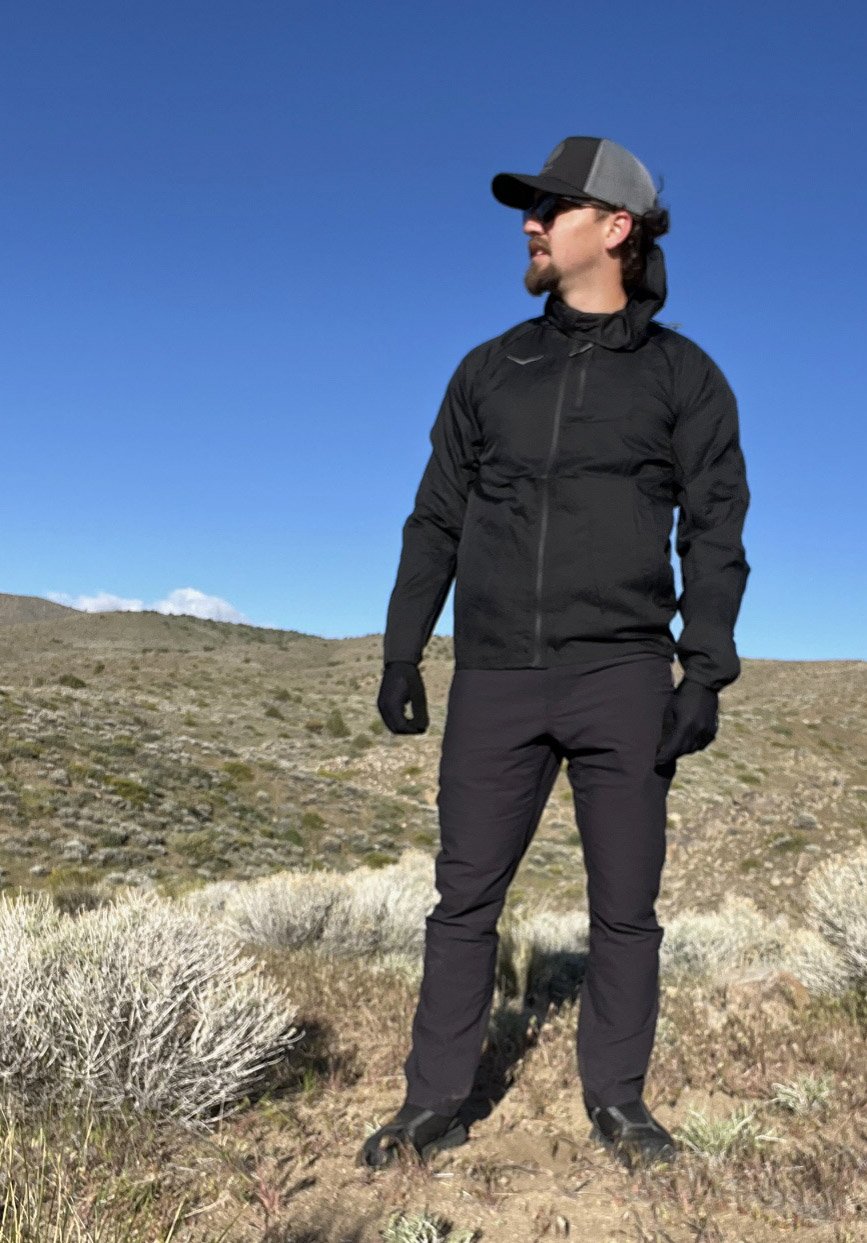
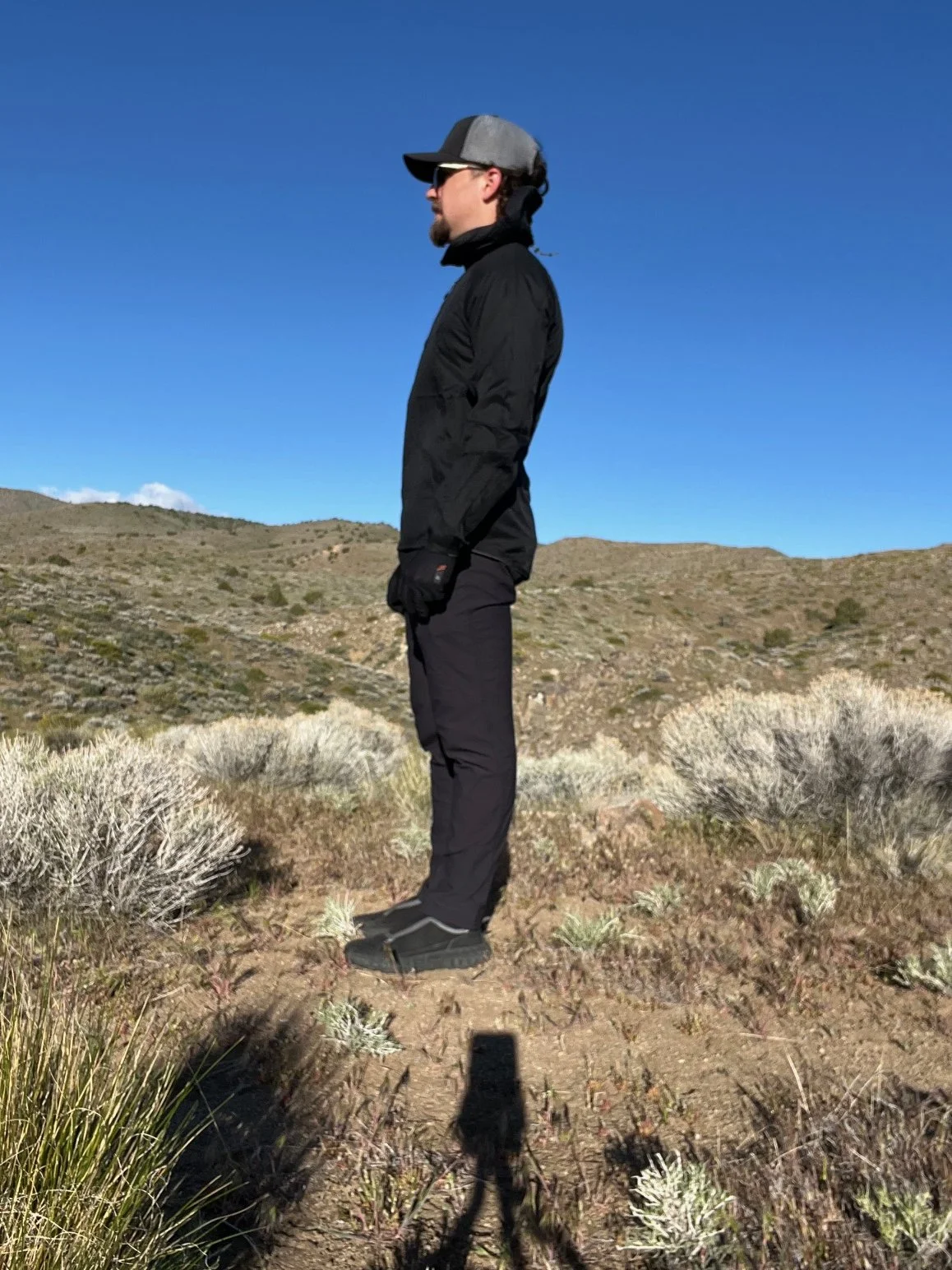
Weight: 3.7 oz in a men’s medium
Storage: One zip chest pocket that doubles as the stuff pocket
Hood: 1-point adjustable hood
Fit: Standard runner-friendly profile
Best for: Running, light trail use, cool starts, and breezy mornings
+What We Like
Breathes well for a lightweight shell
Comfortable for short runs and cooler starts
Quiet fabric
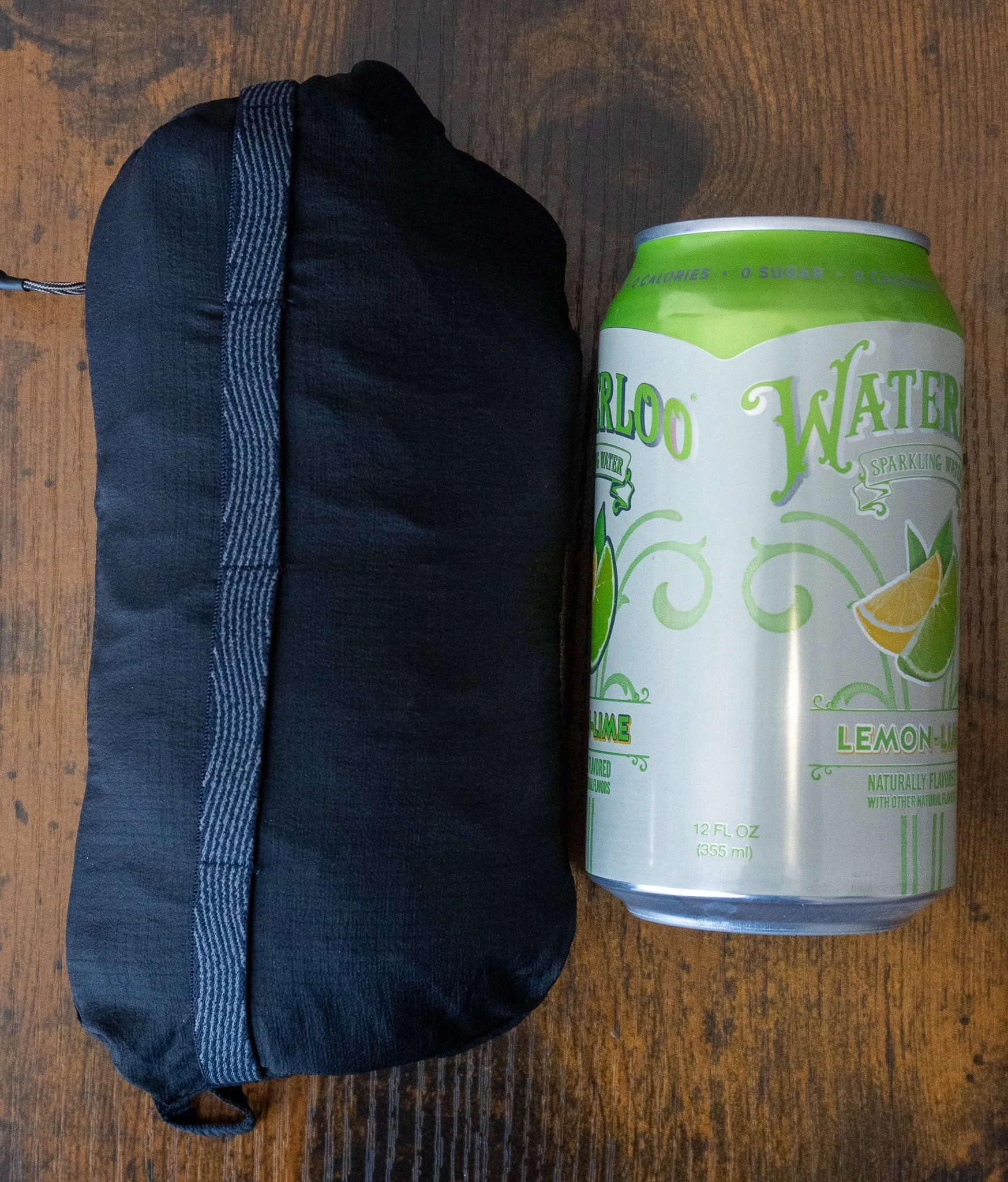
Packs down small and easily disappears into a vest or pack
Straightforward design keeps it easy to use
-What We Don’t Like
More exposed wind shows its limits fairly quickly
Minimal feature set narrows the use case
Not the strongest choice for bigger mountain days
Field Test:
The Skyflow is pretty easy to understand once you wear it. It is a running jacket, and it feels like one. That works in its favor. It is light, simple, and breathable enough that it feels good in the exact kind of conditions where runners usually want a shell in the first place. Cool air, mild wind, maybe a chilly start before things warm up. It does not feel overbuilt, overcomplicated, or like it is trying to be more than it needs to be.
That also means it is one of the more limited jackets in the group. The things that make it good for breezy morning miles are also the things that make it less convincing once conditions get rougher or the use case broadens. Compared to the more complete shells here, it starts to feel pretty specific. Still, within that lane, it is a good one. The fabric stays comfortable in motion, it packs away easily, and it gives you just enough help without feeling like too much of a jacket.
Fit & Who It’s For:
The Skyflow makes the most sense for the runner who just wants a light shell for cool starts and breezy miles, not a do-everything mountain layer. If that is the lane you care about most, it’s best for exactly that. If you are looking for one shell that also needs to feel convincing for hiking, travel, biking, and broader mountain use, other jackets here stretch further.
Patagonia Houdini Jacket ($119): Best Tiny Packable Backup
Nitty Gritty:
Fabric: 100% recycled nylon ripstop with DWR finish
Weight: 3.5 oz
Pocket: Zip chest pocket that doubles as a stuff sack
Hood: Adjustable hood
Closures: Half-elastic cuffs and drawcord hem
Fit: Slim fit
Best for: Hiking, backpacking, travel, and lower-output mountain use
+What We Like
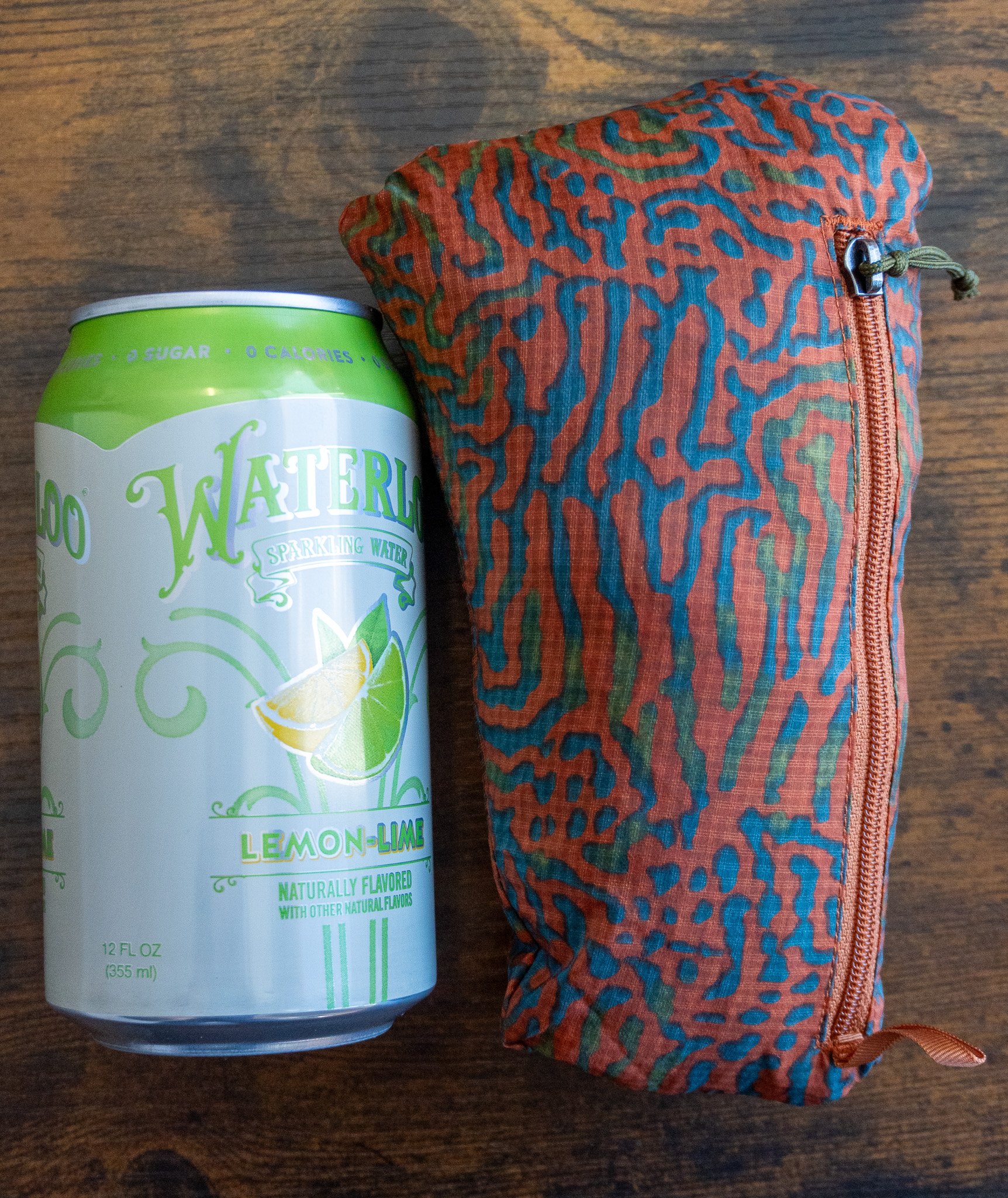
Packs absolutely tiny
Blocks wind really well for the weight
Easy to bring on almost any outing
Proven design that still makes sense
-What We Don’t Like
Breathability is the weak point
High-output use exposes the limitations fast
No hand pockets
Field Test:
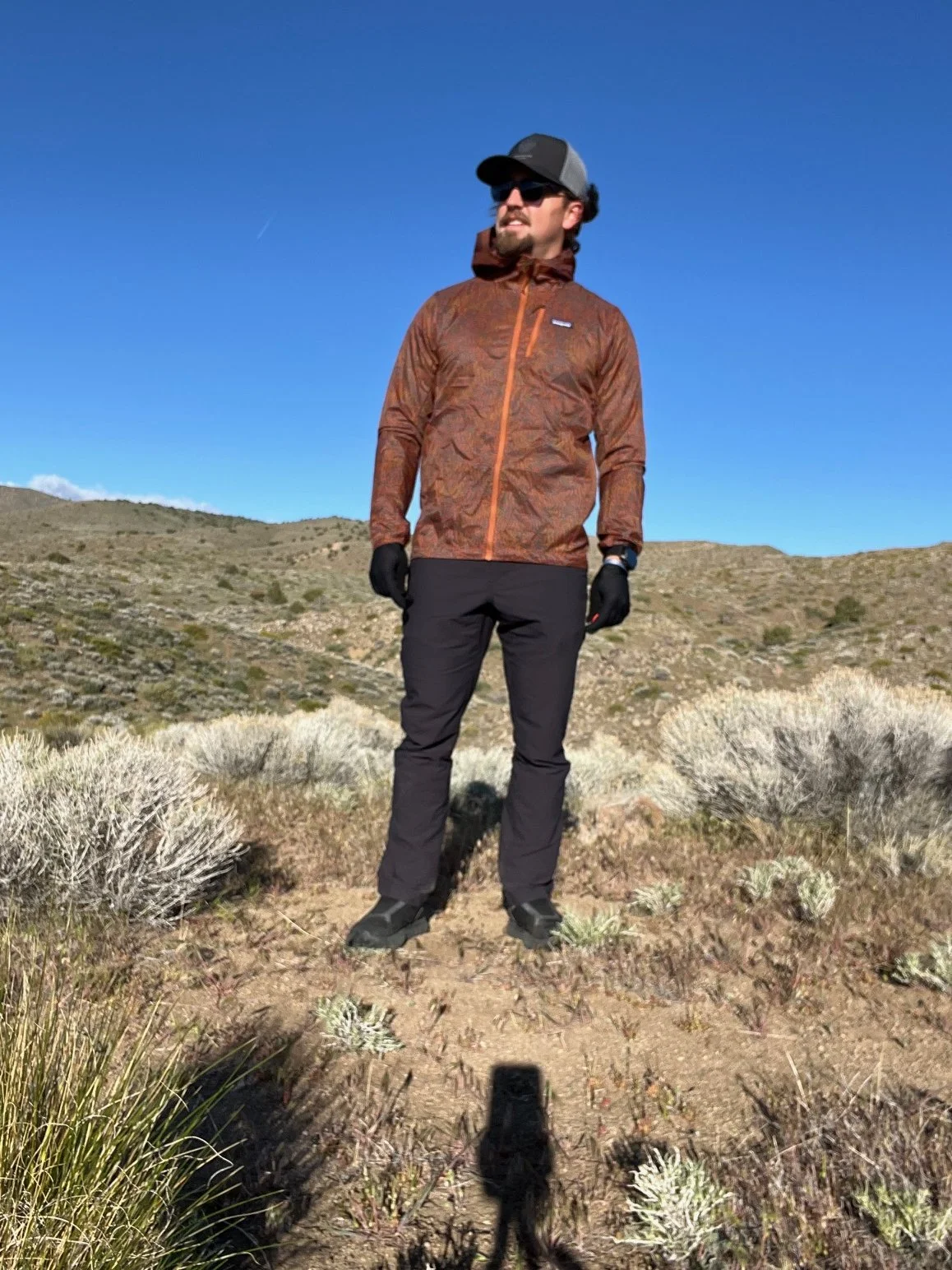
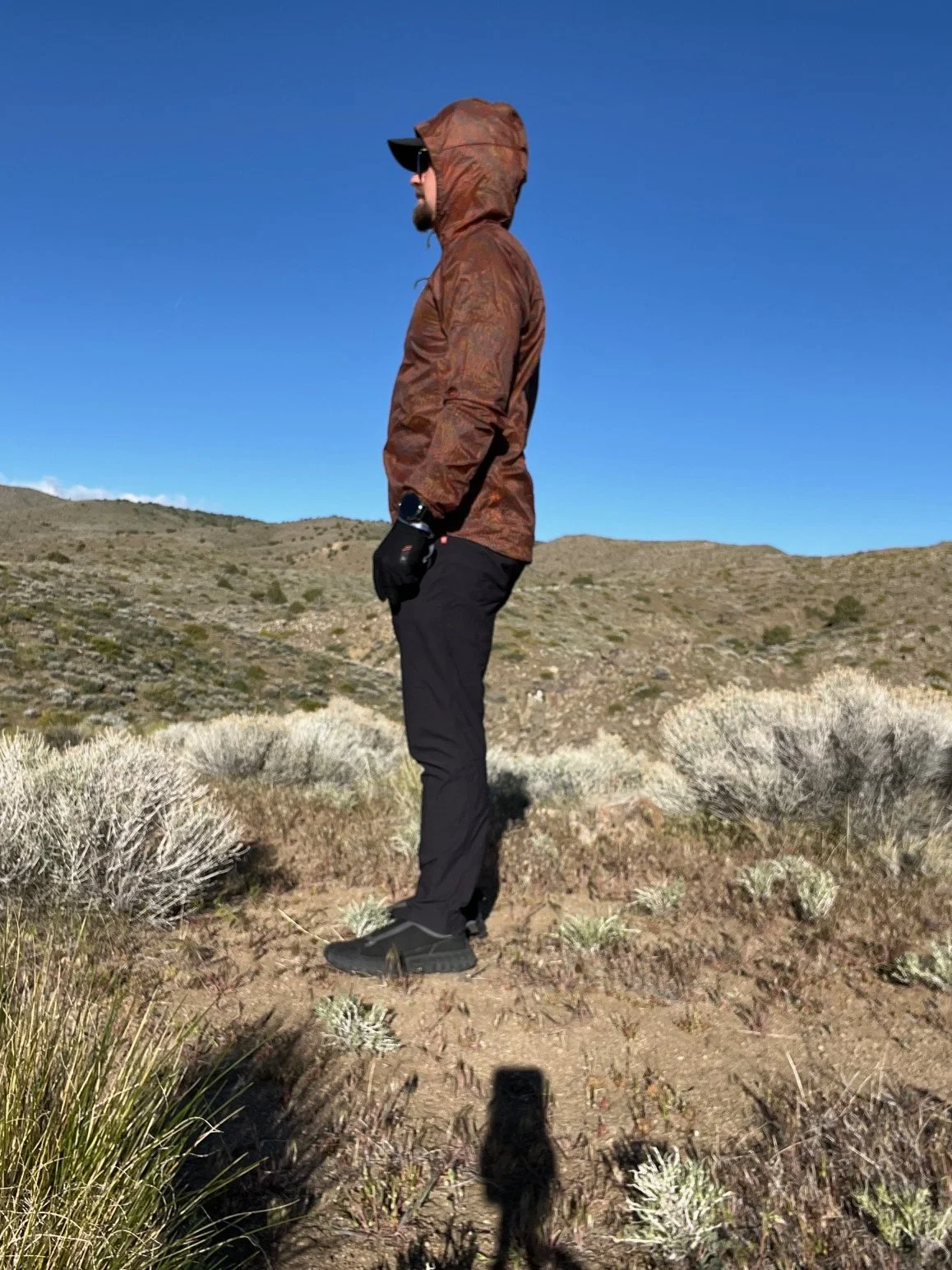
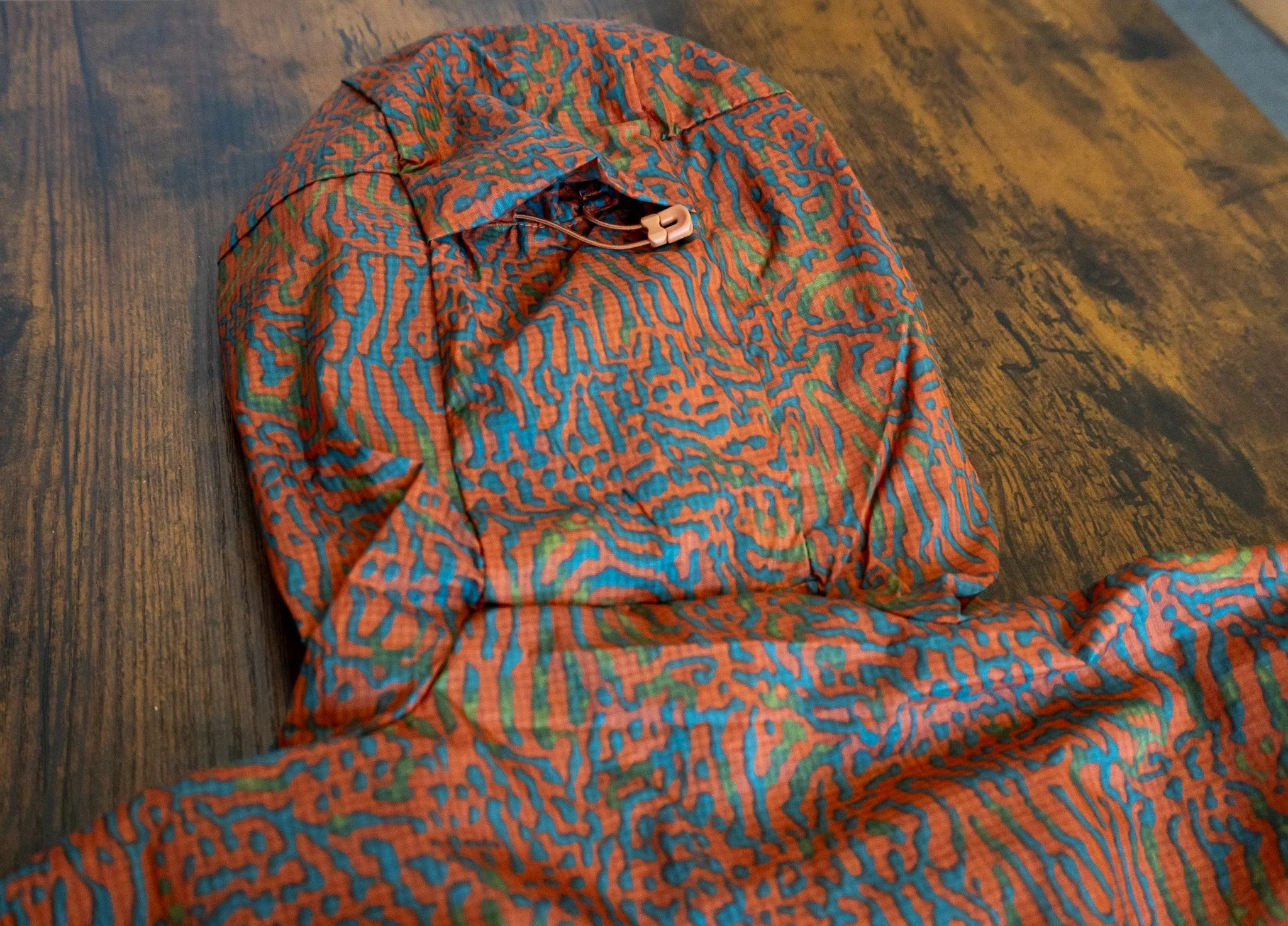
The Houdini still does the Houdini thing really well. It packs down so small that bringing it feels automatic, and it still delivers surprisingly solid wind protection for something that barely takes up any room in a pack. That combination is why it has stayed popular for so long, and it is also why it still earns a place in a list like this.
Where it starts to lose ground is once the pace picks up. Compared to the more breathable jackets here, the Houdini feels much more like a just-in-case layer than something you actively want to keep on during harder movement. It traps heat faster, gets clammy sooner, and makes more sense as a backup piece than a wear-it-for-hours shell.
That does not make it outdated. It just makes it more specific than people sometimes treat it. For hiking, backpacking, travel, and general lower-output mountain use, it still makes a ton of sense. For runners or anyone prioritizing sustained comfort on the move, it is easier to outgrow.
Fit & Who It’s For:
If your ideal wind shell mostly lives in your pack until the weather turns, this is still one of the cleanest answers.
If you mostly want something to live in your pack until you need it, it still works. If you want something that feels better during steady, higher-effort movement, other jackets in this list are easier to live with.
Black Diamond Distance Wind Shell ($199): Best for Hiking and Climbing
Nitty Gritty
Fabric: 15D lightweight nylon ripstop woven
Fabric weight: 30 gsm
Weight: 3.28 oz / 91g in men’s medium
Finish: GTT Empel PFAS-free DWR
Storage: Zip chest pocket that doubles as a stuff pocket
Hood: Climbing helmet compatible
Hem: Adjustable
Cuffs: Elastic
Best for: Hiking, climbing, scrambling, and fast-and-light mountain missions
+What We Like
Impressive protection for the weight
Packs down extremely small
Mountain-oriented feature set makes sense
Easy to justify on exposed shoulder-season days
-What We Don’t Like
Less comfortable once output climbs
Expensive
Its specialized feel limits the audience a bit.
Field Test
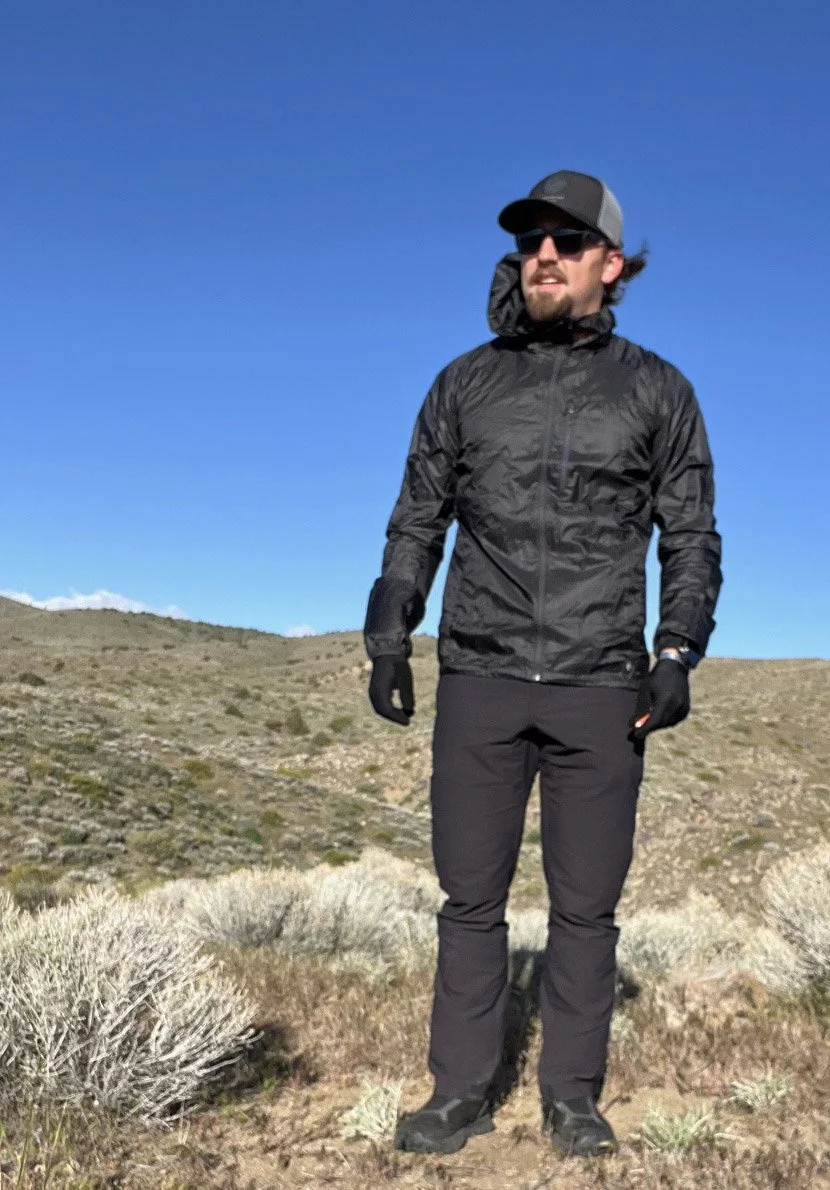
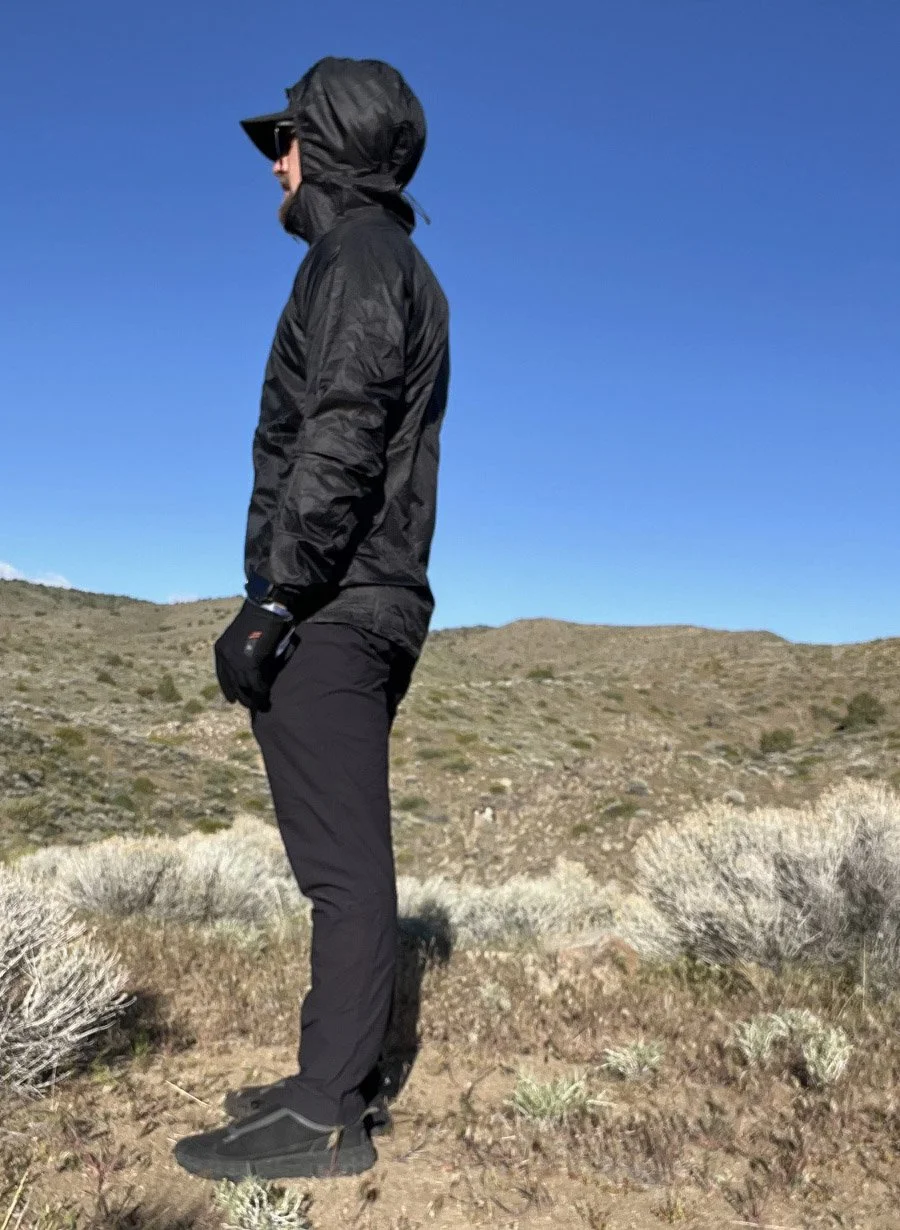
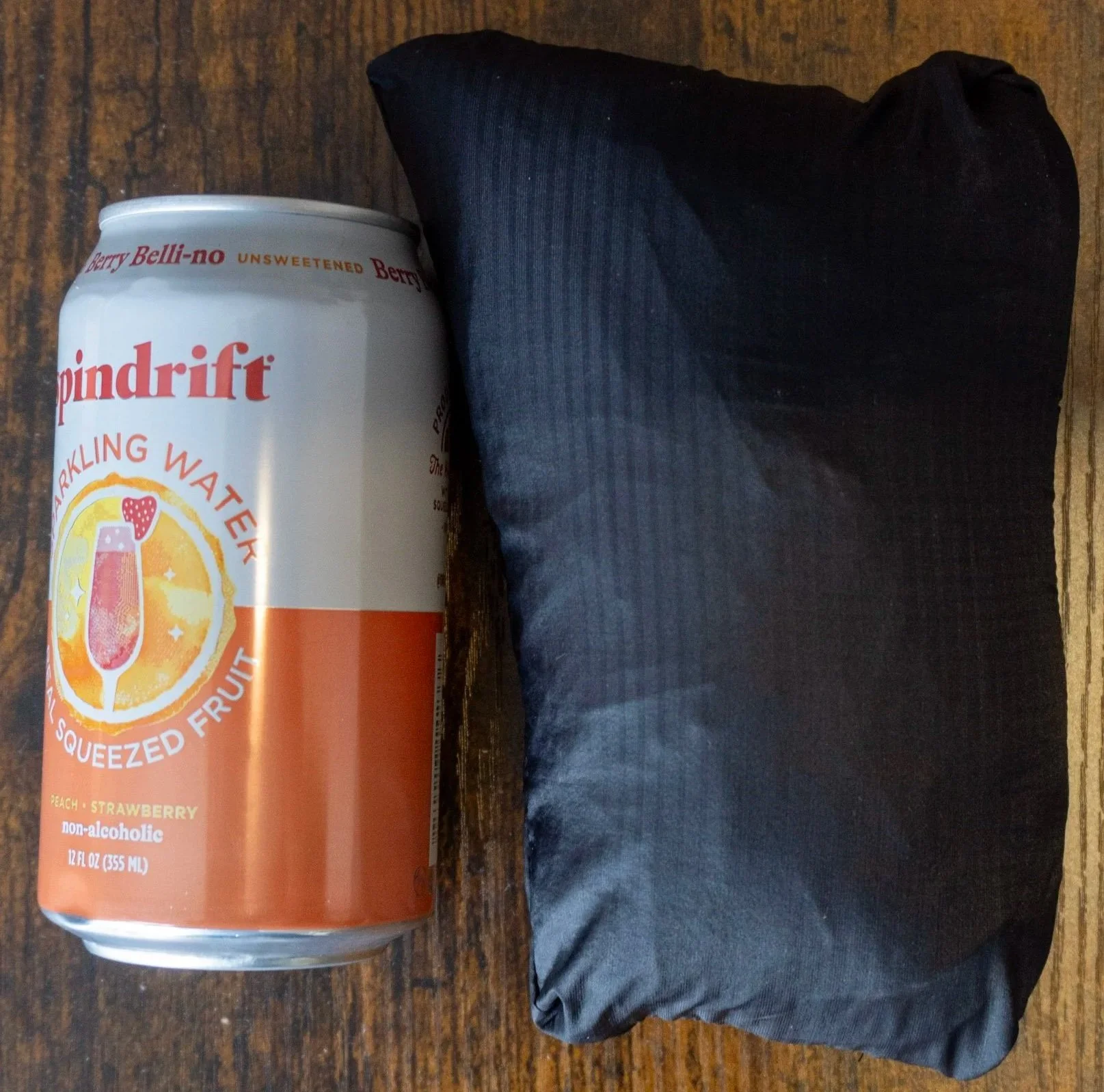
The Distance Wind Shell is the most mountain-specific jacket in this group, which is both why it is here and why it will not be the best fit for everyone. It is very light, packs down tiny, and offers more protection than you would expect for something this minimal. The helmet-compatible hood and mountain-forward design make it feel clearly aimed at climbers, scramblers, and fast-moving alpine use. Not someone just looking for the most comfortable all-purpose shell.
That focus works. On breezy ridgelines, cool starts, and days where exposed terrain matters more than all-day breathability, it feels most convincing. But it is also one of the easier jackets here to classify as a specialist. Compared to the more running-friendly or more all-around options, it is not the piece I would most want to wear through longer high-effort stretches.
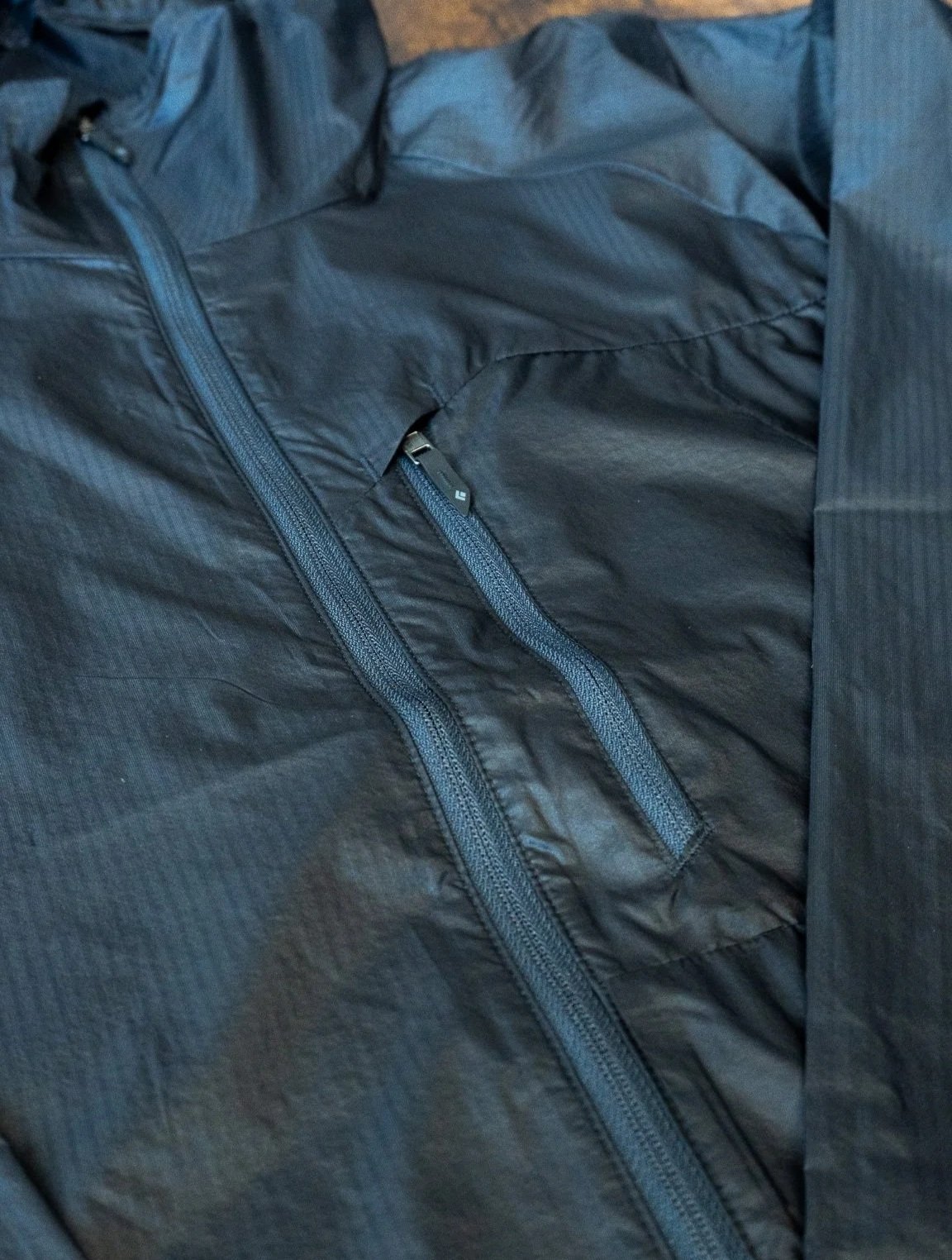
Fit & Who It’s For
The Distance feels most at home with exposed terrain, fast hiking, and the kind of mountain days where protection matters more than softness or all-day comfort.
If you want a superlight shell for exposed terrain and fast-and-light days, this makes a lot of sense. If you want something broader and easier to use across more of life, its lane gets pretty narrow pretty quickly.
Final Thoughts
The nice thing about this group is that each jacket has a pretty clear identity. The Skyflow is the breezy-morning runner. The Zephyrunner is the strongest true running shell. The Houdini is still the easy packable classic. The Black Diamond is the mountain specialist.
And the Breakwind is the one that feels least boxed in. That is what kept nudging it ahead. Not because it dominates the others in one dramatic way, but because it keeps making sense in more situations, for more people, more often. That usually matters more than having the flashiest single strength.
If you know exactly what lane you need, one of the more specialized jackets here may be the better buy. But if you want the jacket with the best chance of becoming the one you keep reaching for without really thinking about it, the Breakwind keeps being the easiest one to reach for.