

HOKA Skyflow Jacket Review: A Runner’s Breezy-Morning Layer
After a lot of time in the HOKA Skyflow Jacket, one thing has become clear: this is a runner’s jacket first, and that focus defines both its strengths and its limits.

The Verdict:
If you mostly want a layer for cool, breezy runs, the Skyflow makes a lot more sense than it does as a general mountain jacket.
What I liked most was that it never felt stuffy. This is the kind of layer you can actually keep on once the pace picks up, instead of instantly wanting to peel it off and stuff it away. That matters on the kind of runs where it feels too cold for just a shirt, but not cold enough to want a real shell.
The main thing to know up front is that this is a running layer, not the jacket I’d grab for bigger mountain days. For runners, that tradeoff makes sense. For hikers, backpackers, or more exposed terrain, I think there are better options.
+What We Like
Very breathable for a wind layer
Excellent for brisk morning runs and cool starts
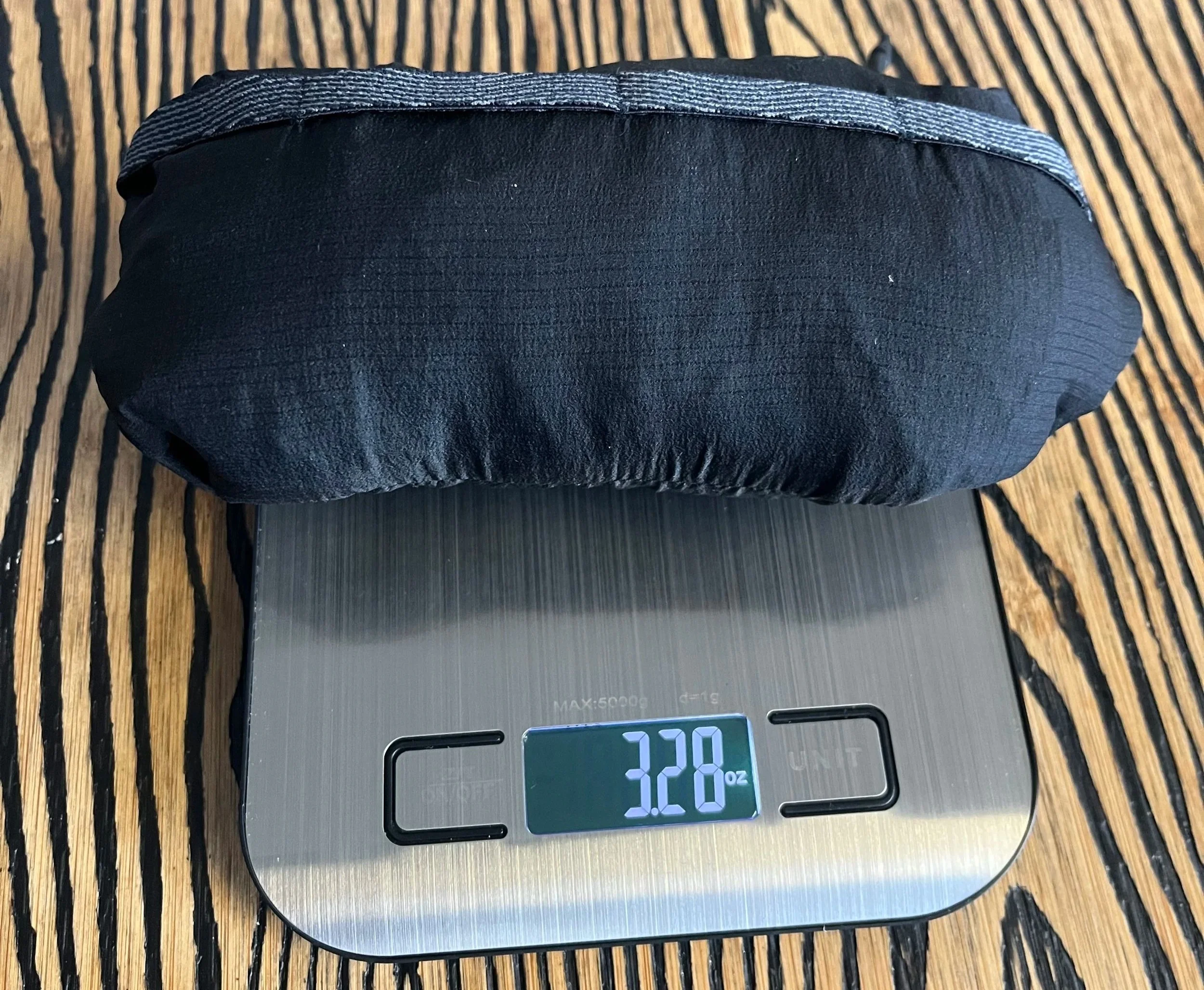
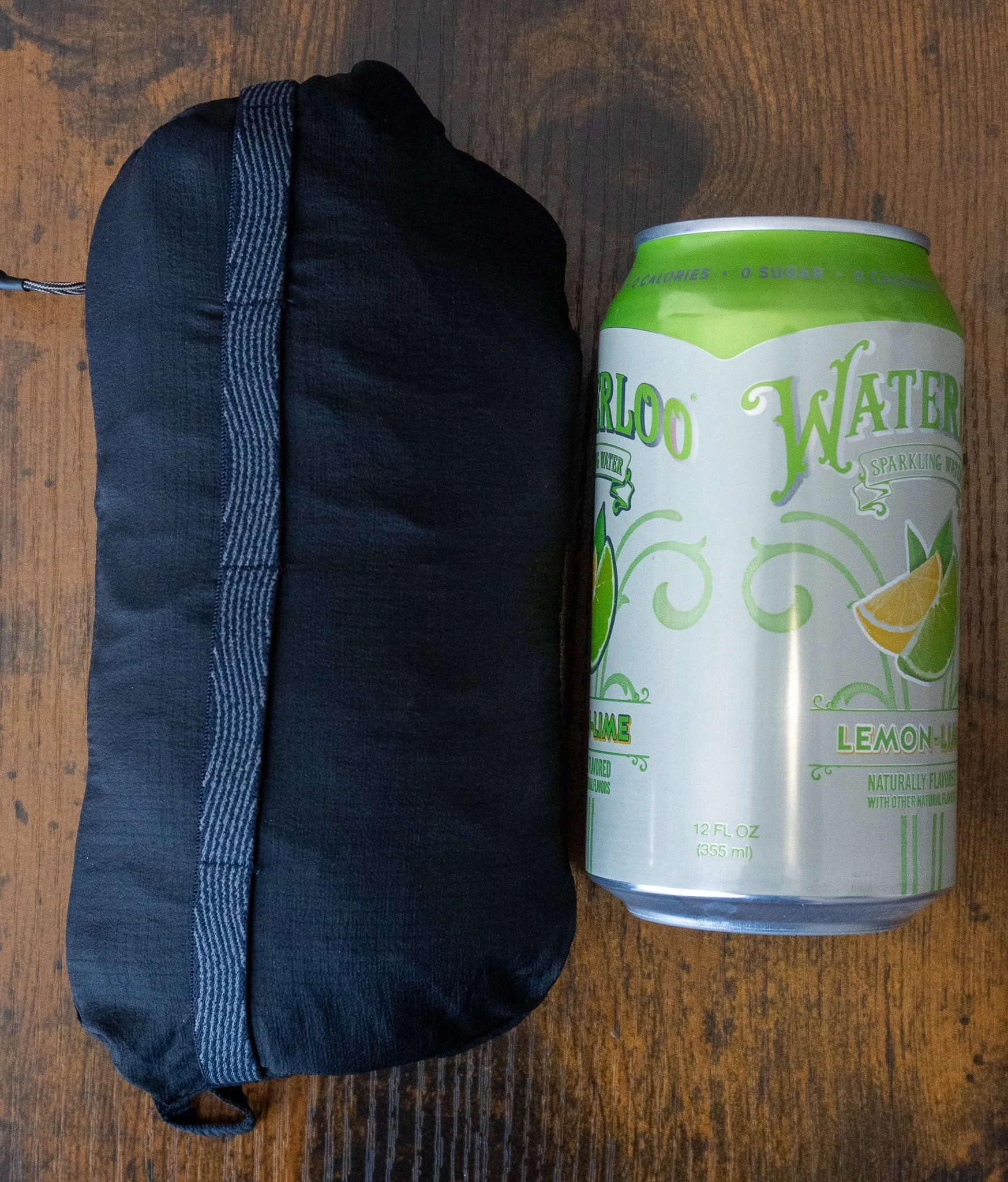
Packs small and is easy to bring along
Quiet fabric that feels good on the move
Simple feature set that makes sense for runners
-What We Don’t Like
Harsh wind quickly exposes its limits
Not a great choice for rough mountain weather
Minimal feature set if you want more all-around utility (Niche to running)
Nitty Gritty:
Weight: 3.7 oz in a men’s medium
Fabric: 100% nylon
Storage: One zippered chest pocket that doubles as the stuff pocket
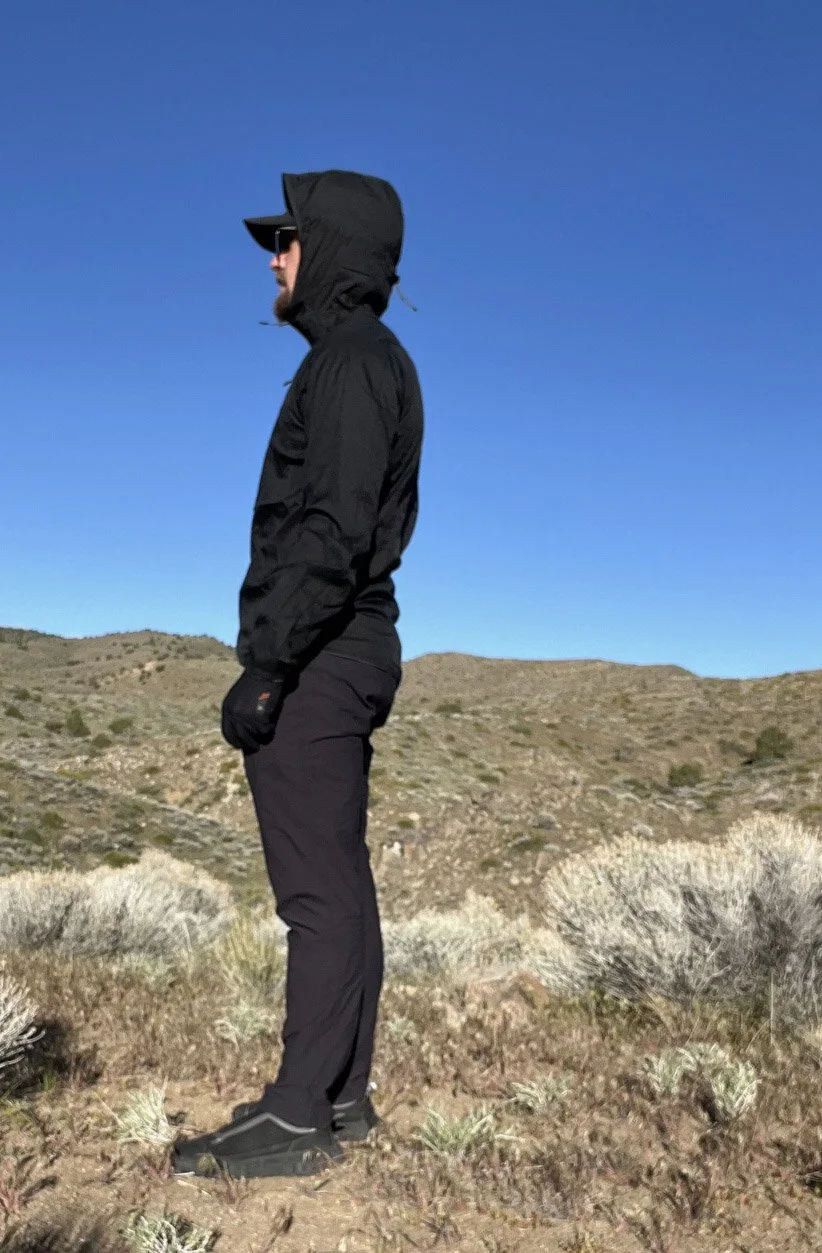
Hood: 1-point adjustable hood
Fit: Standard, runner-friendly profile
Best for: Running, light trail use, brisk mornings, and cool starts
Price: $118
Fit Notes:
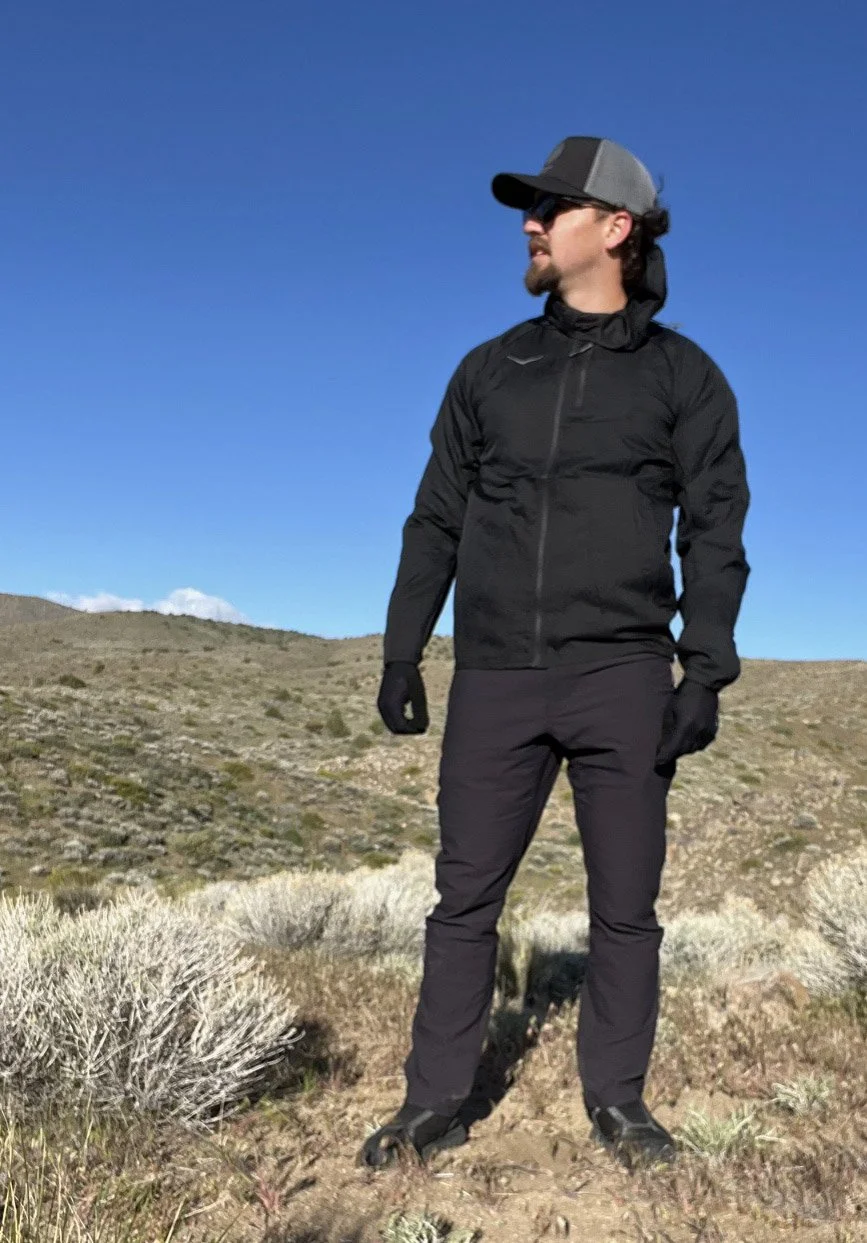
The fit is trim enough that it never felt in the way on the run, but not so snug that it felt restrictive. It stays close enough to the body that it does not flap around when running, and it layers nicely over a tee or light long sleeve.
That trim, low-bulk feel is part of why it works so well on the run. At the same time, it is another reason I do not see this as a do-it-all layer for bigger mountain days. It is built to move well, not to layer over bulky insulation or stand in as a real protective shell once the weather turns.
Breathability & Protection:
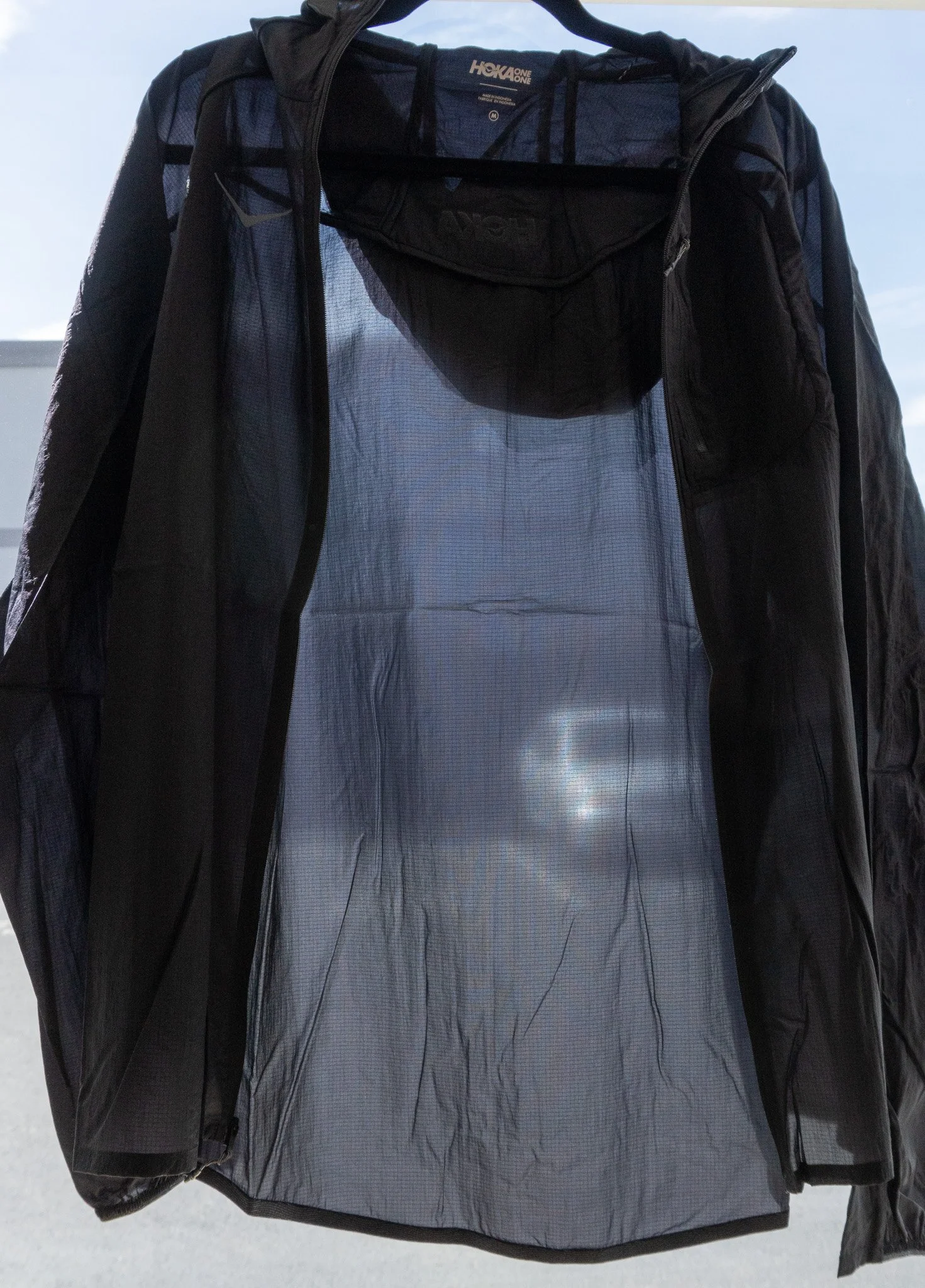
The best thing about the Skyflow is that I never felt in a rush to take it off once I warmed up. But this is where it clearly shows what it’s made for. The jacket is perfect for everyday runs. And that’s about it. It’s hard to grab this jacket during very harsh weather. Or the intensity level isn’t high like some backpacking trips.
For those who are looking for a light wind layer for running, this is a great jacket as it won’t leave you feeling clammy. However, for those who are going deep into the mountains and have a greater chance of encountering harsher weather, this jacket is hard to reach for.
Features & Packability:
There is not much extra here, and I think that is part of why it works. The chest pocket gives you a spot for a small essential and also works as the stuff pocket, which keeps packability simple. The hood adjustment is easy to use, and the overall design does not feel cluttered or overbuilt.
I also appreciate that the fabric is quiet. Some ultralight jackets have that crinkly, noisy feel that constantly reminds you they are there. The Skyflow feels less fussy than that, which helps on longer runs when you want to stop thinking about your gear and just move.
Field Test:
Where I found myself grabbing this wind layer over others was during pre-dawn runs through the neighborhood when a long-sleeve shirt just wasn’t enough. And to be honest, that was about it. For that kind of run, it just works. It is breathable enough that I do not feel punished for leaving it on, and light enough that bringing it along never feels like a chore.
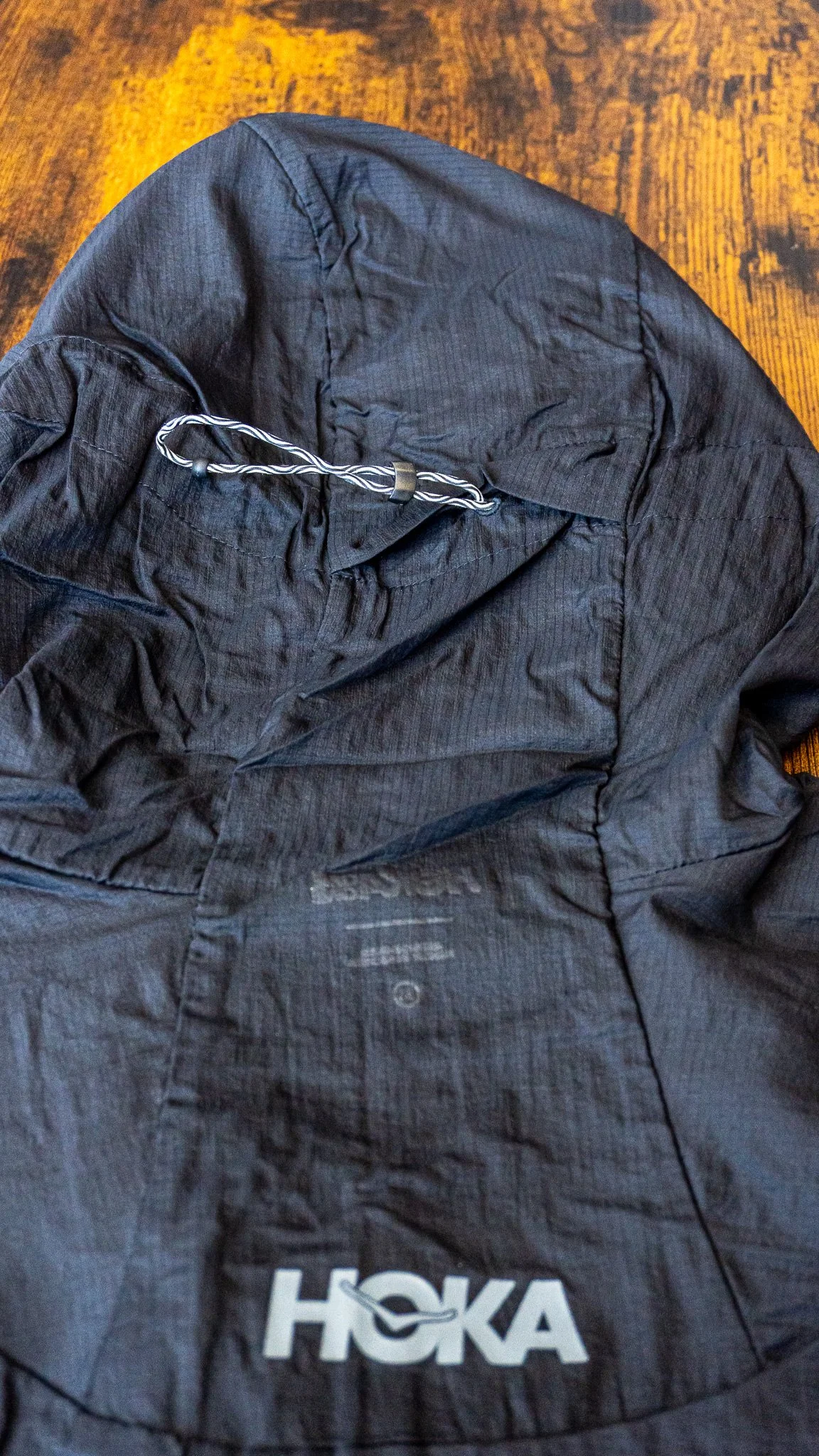
I had a hard time wanting to take it with me on harsher, windy days. During very cold and windy days, this jacket doesn’t cut the cold from the wind. During a run on Peavine Mountain near the house, it was about 45 degrees and 30 mph gusts of wind, and I unfortunately cut the run short, mainly due to being cold. During similar conditions, with other jackets and the same long-sleeve underneath, I didn’t have any core temperature issues.
Final Thoughts
For breezy morning runs and cool starts, it’s easy to grab. It is light, easy to stuff in a pocket, and takes the edge off those chilly first miles without getting clammy later.
But I would not oversell its versatility. This is not the jacket I’d count on for harsh wind, rough weather, or deeper mountain use. For runners, it is easy to recommend. For hikers, though, there are better options out there.