
Patagonia Houdini Jacket Review: Tiny Pack Size, Big Wind Protection
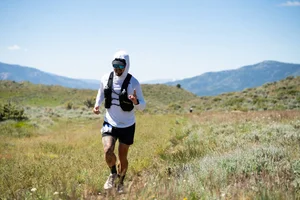
I took the Patagonia Houdini on hikes, backpacking trips, and runs around Reno-Tahoe. One thing became clear: it is an excellent wind layer with impressive packability, but it gets sweaty fast once the pace picks up.

The Verdict:
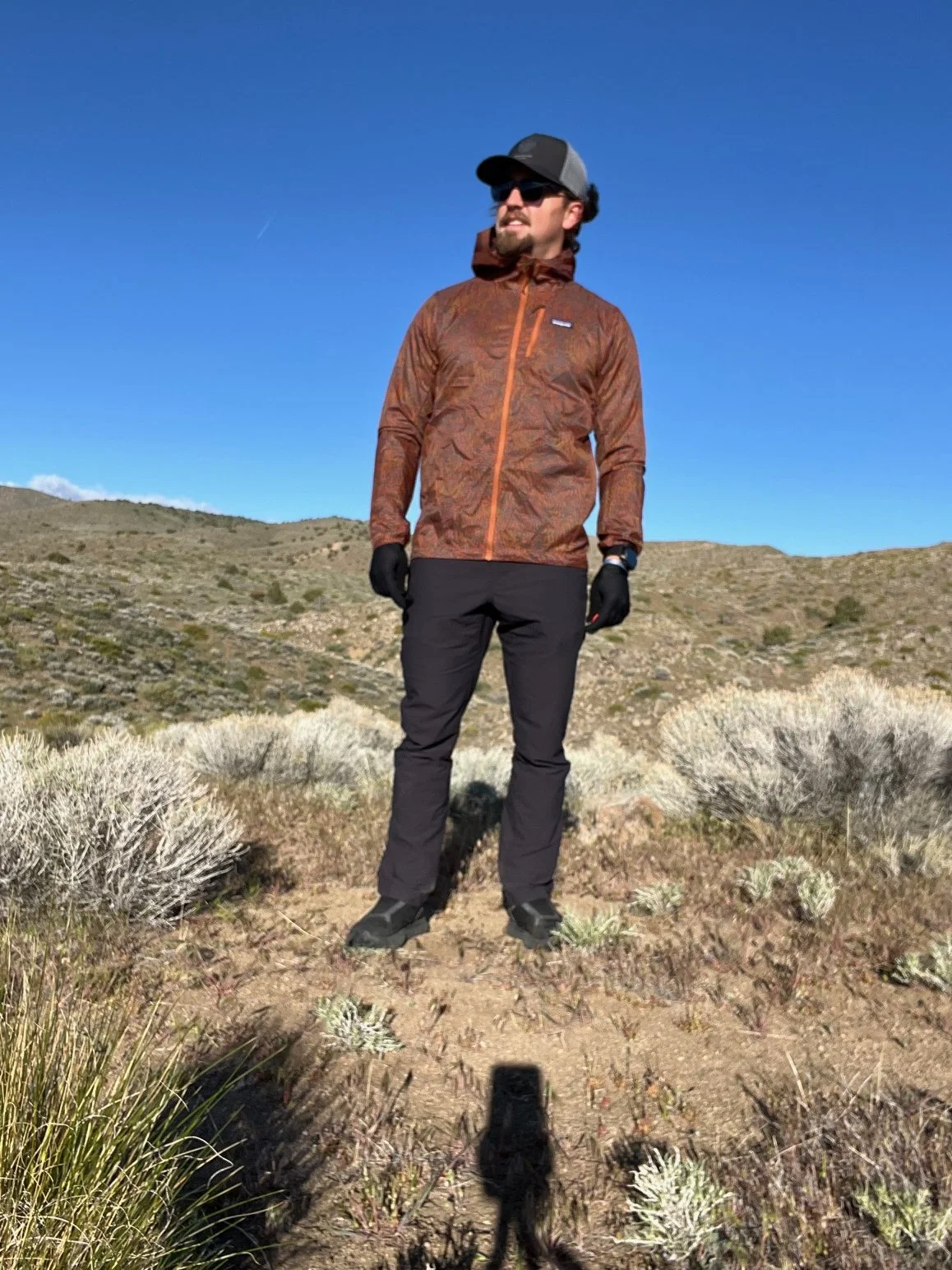
The Patagonia Houdini is a very good lightweight wind shell for hiking, backpacking, travel, and lower-output days in the mountains where packability and wind protection matter most.
It is easy to carry, easy to justify bringing, and genuinely useful when conditions get breezy or temperatures dip just enough to make a tee or sun hoodie feel a little exposed. For those kinds of outings, the Houdini still makes a lot of sense.
Where I struggled with it was during harder efforts. Running in it, especially on sustained climbs or anytime I was building real heat, made its limitations pretty obvious. It traps sweat quickly, and instead of fading into the background like a great performance layer should, it becomes something I am actively managing just to shed heat.
The Houdini is still a solid piece, but I'd be careful about who I recommend it to. If you want a windbreaker mainly for hiking, backpacking, and general mountain use, it is easy to appreciate. If you are a runner or fast mover looking for a wind shell you can leave on during hard efforts, I think there are better options out there.
+ What We Like
Excellent wind protection for such a light jacket
Packs down tiny and disappears in a pack or vest
Simple, proven design that works well in cooler, breezy conditions
Easy to bring along for just-in-case weather
- What We Don’t Like
Breathability falls off quickly once the pace picks up
No hand pockets
The Nitty Gritty:
(We reviewed the men’s Patagonia Houdini Jacket size medium)
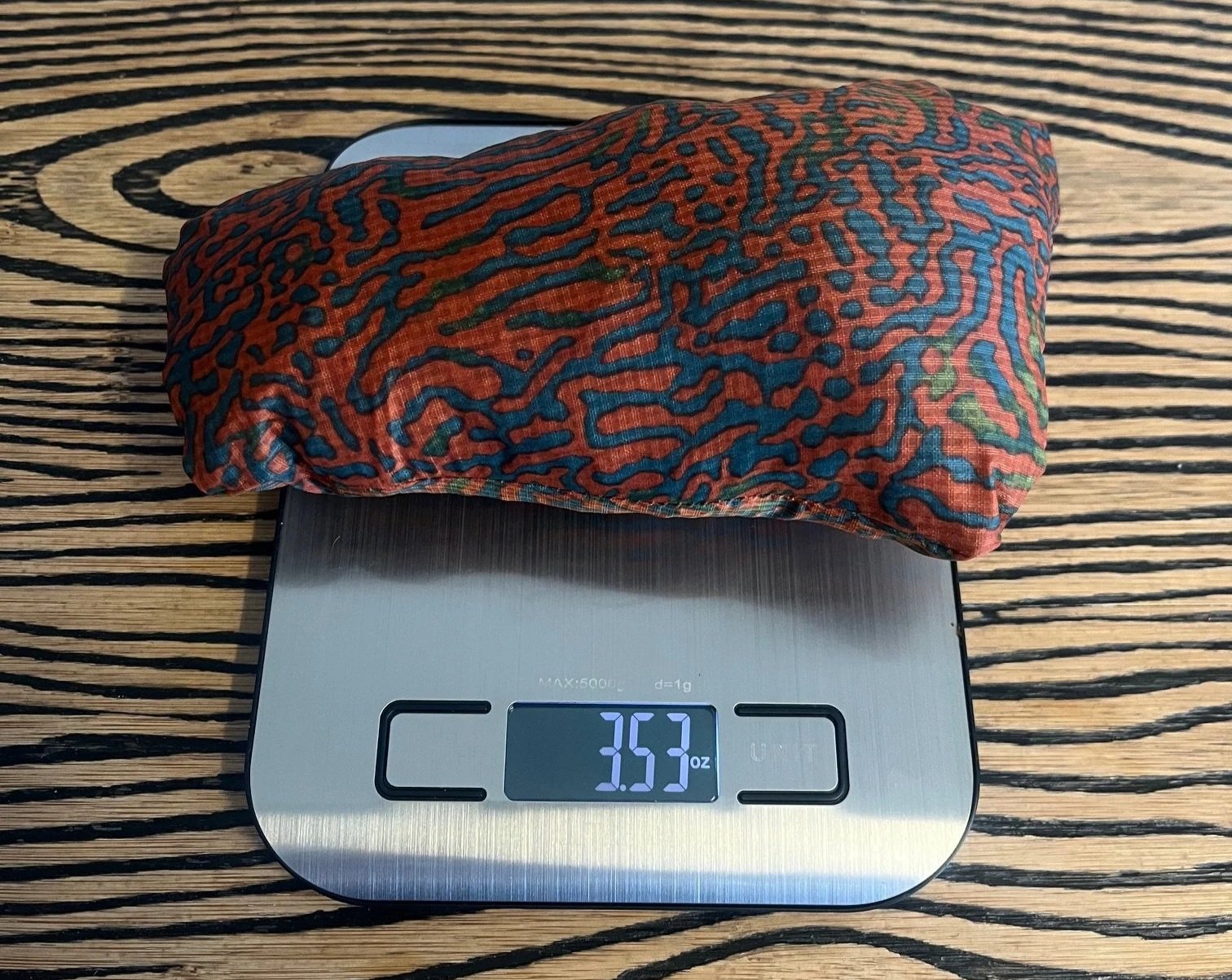
Weight: 3.5 oz
Fit: Slim fit
Fabric: 100% recycled nylon ripstop with DWR finish
Pocket: Zippered chest pocket that doubles as a stuff sack
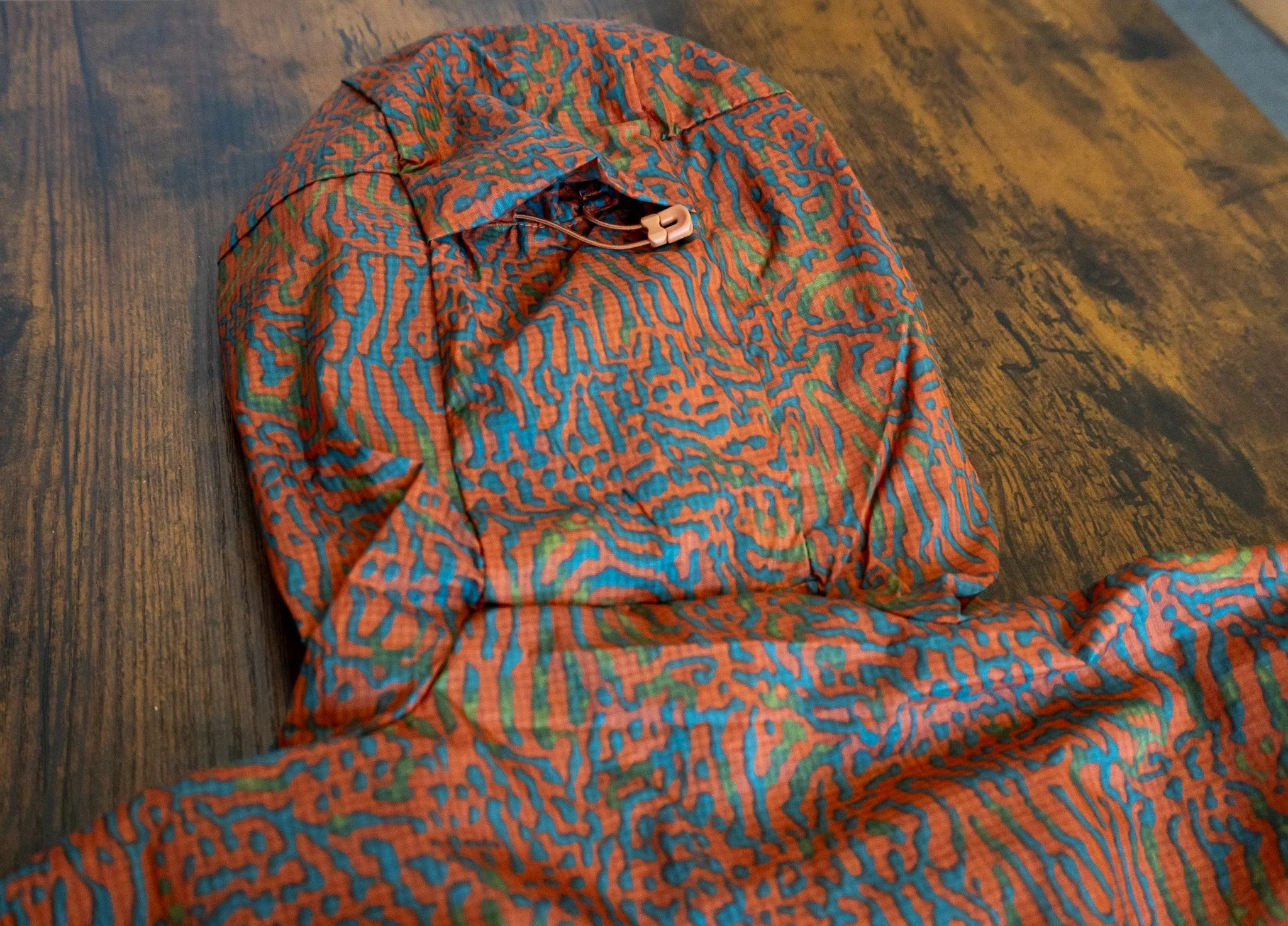
Hood: Adjustable hood
Closures: Half-elastic cuffs and drawcord hem
Best for: Hiking, backpacking, travel, casual mountain use
Price: $119
Fit Notes:
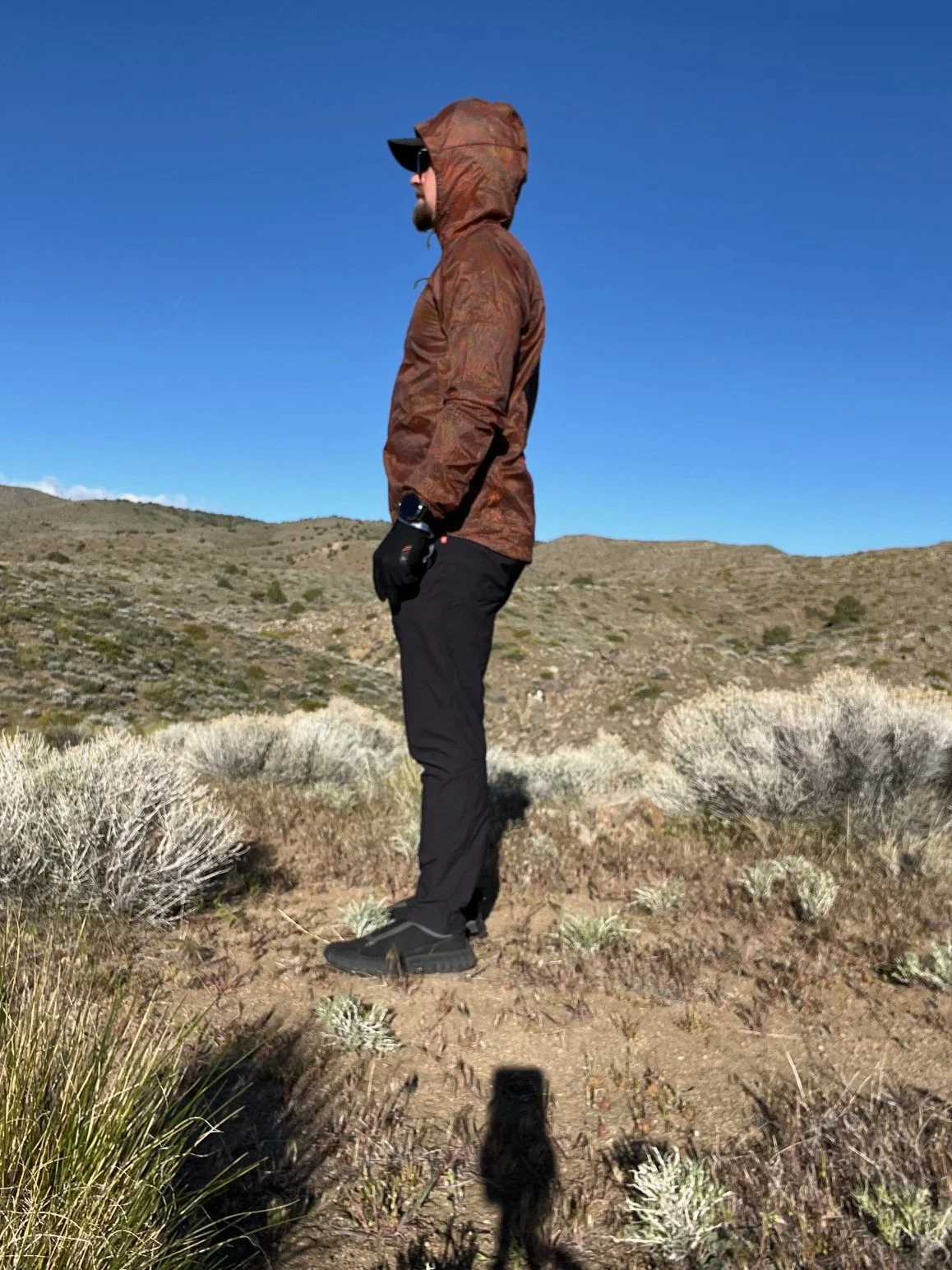
The Houdini has a trim, fairly athletic fit, which makes sense for the kind of jacket it is. It sits close to the body, layers easily over a T-shirt or lightweight sun hoodie, and never feels excessively baggy or sloppy in the wind. That cleaner fit helps it feel tidy on the trail, especially when gusts pick up.
I liked the fit most while hiking and backpacking, where the jacket’s streamlined feel matched the way I was using it. It never felt cumbersome, and it stayed out of the way when I threw it over a light layer. It is definitely a trim-fitting piece, so I would not plan on layering it over a sweatshirt or heavier jacket. If that is part of your use case, sizing up would make more sense.
Fabric & Feel:
The Houdini feels exactly like what it is: a very light, very minimalist shell built with function in mind. The fabric is thin, crisp, and a little papery in hand, not in a bad way, just in a very obvious ultralight-shell kind of way. Nothing about it feels luxurious, but it does feel intentional.
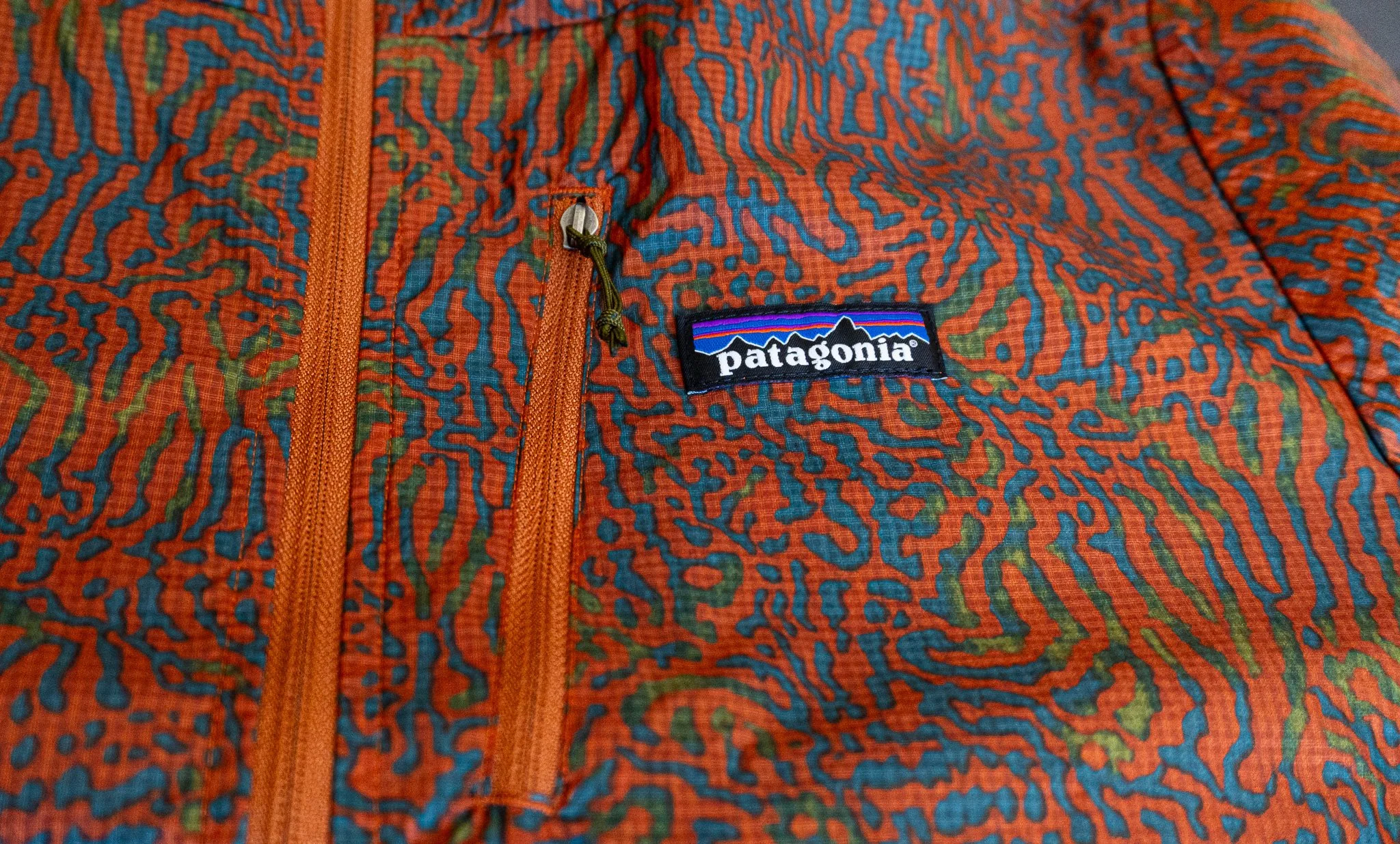
That light fabric is a big reason the jacket is so easy to pack and carry. It takes up barely any room, weighs next to nothing, and always feels like a reasonable thing to throw in a bag before heading out. For backpacking especially, that low-bulk feel is a big part of the appeal. Compared to other windbreakers we’ve tested, the fabric is noisier than average. It is a minor gripe, but on quiet trails, that crinkly fabric noise stands out more than I would like.
Wind Protection & Breathability:
The wind protection is excellent. That part is not subtle. When the wind picks up on an exposed trail, along a ridge, or during a chilly start, the Houdini makes an immediate difference. It cuts that cold edge fast and gives you a noticeable bump in comfort without requiring a heavier shell.
I had plenty of moments in the Reno Tahoe area where that felt genuinely useful. Cool mornings above town, breezy sections during hikes, lingering evening wind around camp, this is where the jacket feels right at home. If your goal is simply to block wind with as little bulk as possible, the Houdini delivers.
The problem starts once you begin working harder. During hikes, I could usually manage that tradeoff because my pace naturally ebbed and flowed, and I was more likely to stop, slow down, or use the jacket in shorter stretches. During running, though, it became much harder to ignore. On uphill efforts, especially, I would start heating up quickly, and the inside of the jacket would get damp far sooner than I wanted. It was one of those situations where the jacket technically solves one problem while creating another.
That is why I have such a hard time recommending it as a true performance windbreaker. It protects really well, but it does not breathe well enough to stay comfortable when you are working hard.
Packability:
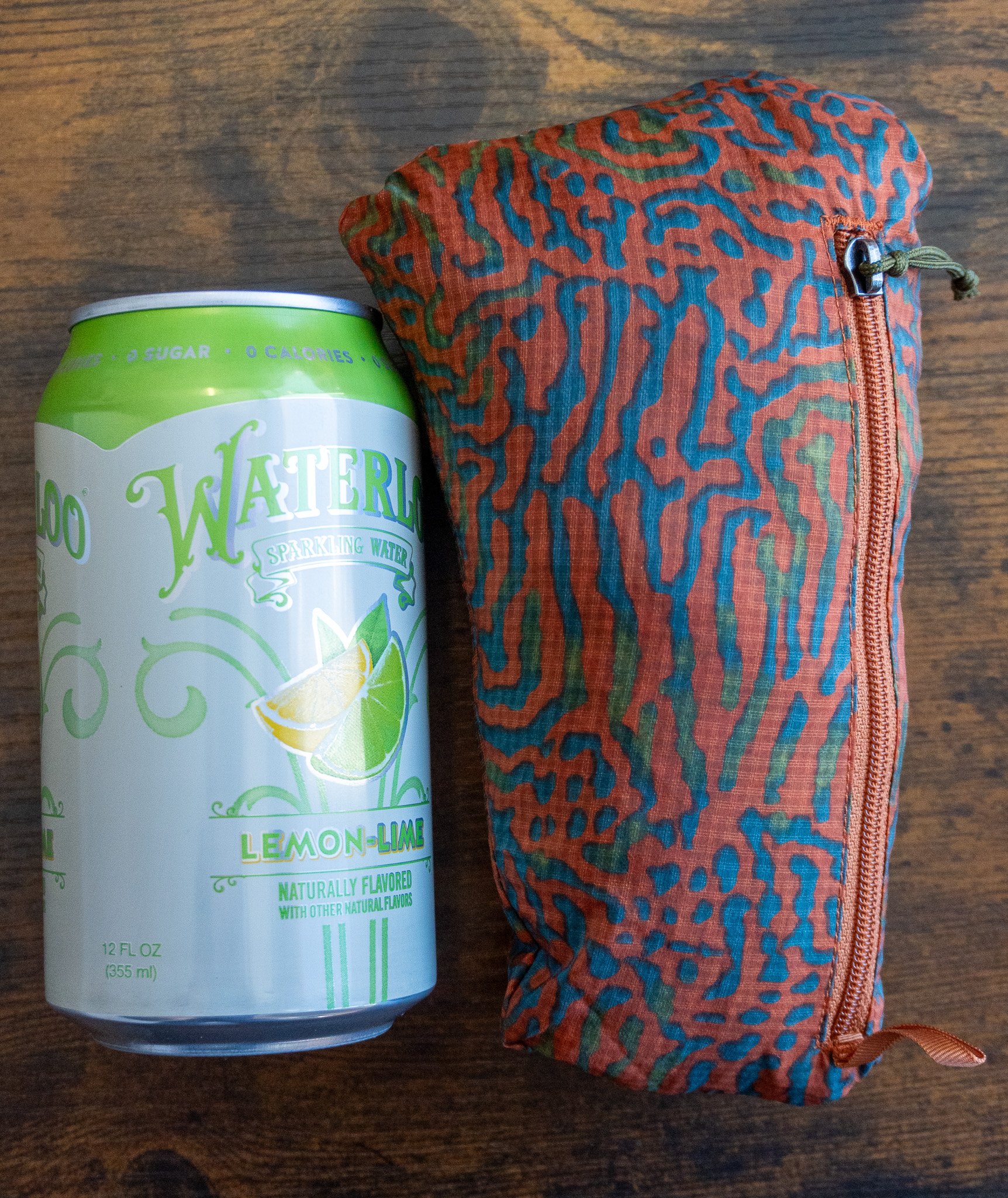
It packs down small enough that bringing it along feels almost automatic. You can stuff it in a vest, the top of a backpack, or even just keep it on hand for travel without thinking twice about it. A lot of outer layers ask you to commit a little space and weight. The Houdini barely asks for either.
That made it especially useful on hikes and backpacking trips where I was not sure exactly what the weather would do. It is the kind of layer that is easy to dismiss until the wind picks up and you are suddenly very happy it was sitting in your pack.
Field Test:
I used the Houdini mostly around the Reno-Tahoe area for hiking, backpacking, and some running, which turned out to be a pretty honest testing ground for this jacket. Those environments gave me a little bit of everything: cool starts, gusty ridgelines, dry desert air, shifting mountain weather, and enough climbing to expose what the jacket does well and where it starts to show its limits.
On hikes, I liked it most. There were several mornings when I started with that classic in-between feeling where a base layer alone was not quite enough, but a heavier jacket would have been overkill. That is exactly the kind of moment where Houdini felt right. It took the edge off the wind right away, kept me comfortable while I got moving, and felt like one of those simple layers that earns its place by being easy and useful.
It also worked well on backpacking trips where I wanted something light for exposed sections, breezy breaks, and hanging around camp once the temperature started to dip. In those situations, I never felt like I was asking too much from it. I threw it on, appreciated the wind protection, and moved on with my day.
A few times, I started runs thinking the Houdini would be perfect because the air felt cool and the breeze had enough bite to make the first few minutes uncomfortable without a layer. And at first, it was great. For that opening stretch, the jacket felt spot on. But the second I started climbing or really settling into effort, I could feel the heat building inside fast. Then came the familiar routine: unzip a little, keep going, get sweatier, wonder if I should just take it off, and eventually stuff it away.
That happened enough times that my opinion became pretty clear. I trust the Houdini for hiking and backpacking. I do not really trust it for harder running. It is not that it fails; it just stops being pleasant once I start heating up, and that matters a lot in a piece like this.
Final Thoughts:
The Patagonia Houdini is still a good jacket. I just think it is a more specific tool than people sometimes make it out to be.
If you want a tiny, dependable wind shell for hiking, backpacking, travel, and general mountain use, it is easy to understand why the Houdini has been popular for so long. It is light, simple, effective in the wind, and easy to keep close at hand.
But if your main goal is harder efforts, especially running, I think the shortcomings show up pretty quickly. The breathability issue is hard to ignore. Instead of becoming one of those layers you forget about while moving, it often becomes something you are adjusting, venting, or taking off.
That is ultimately where I landed with it. I really like what it does well. I am just more selective about who I would recommend it to. For hiking and backpacking, it works. For harder efforts, I would keep looking.