

KETL RLT Merino Thermal Grid Hoodie Review: A Warm Midlayer for Ski Tours and Daily Wear
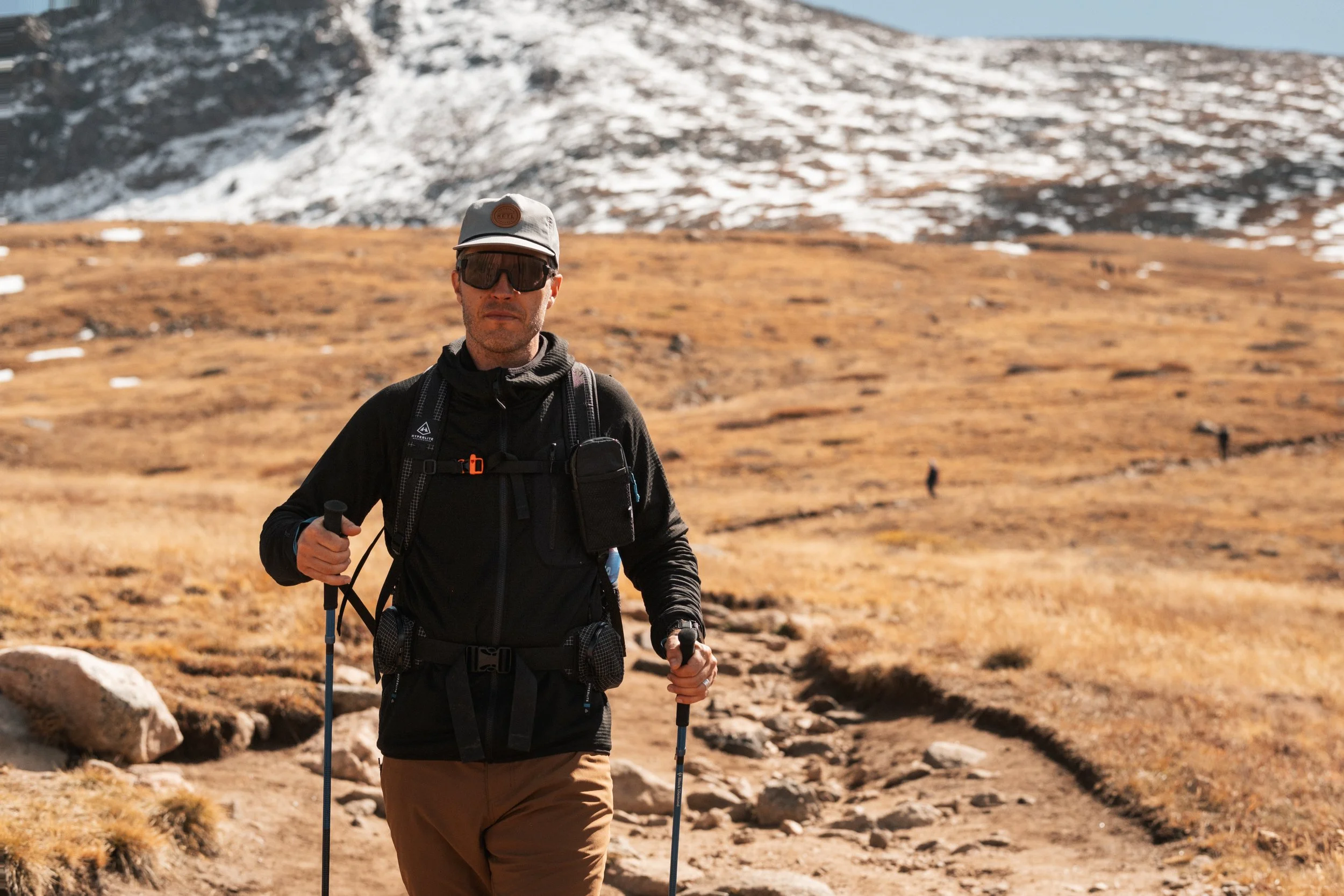
I tested the KETL RLT Merino Thermal Grid Hoodie through nine months of backcountry ski tours, cold hikes, and near-daily wear. It handled changing effort and repeated wear better than my lighter Patagonia R1 Air, but its 455-gram weight, poor wind resistance, and saggy hand pockets keep it from being the right fleece for everyone.

The Verdict:
The RLT checks the box if you want one warm fleece you can use for winter hikes and ski tours, then keep wearing around town.
It is not lightweight. My men’s medium weighs 455 grams, 90 grams more than my Patagonia R1 Air in the same size. Wind cuts through it, and the stretchy hand pockets let a phone sag and bounce. At $174, I would still buy it. I wore it four to six days per week for about six months, and it worked in the mountains without making me look like I had just finished a ski tour everywhere else. Despite the name, this is a polyester-dominant fleece: 63% polyester and 25% merino. Mine also went two weeks without smelling bad enough to wash.
+ What We Like
Stayed warm without feeling clammy on my Mount Bierstadt hike and Mount Rose ski tours
Soft against bare skin without the itchiness I sometimes get from merino
Athletic fit slides easily under a ski shell
Locking main zipper stays where I set it
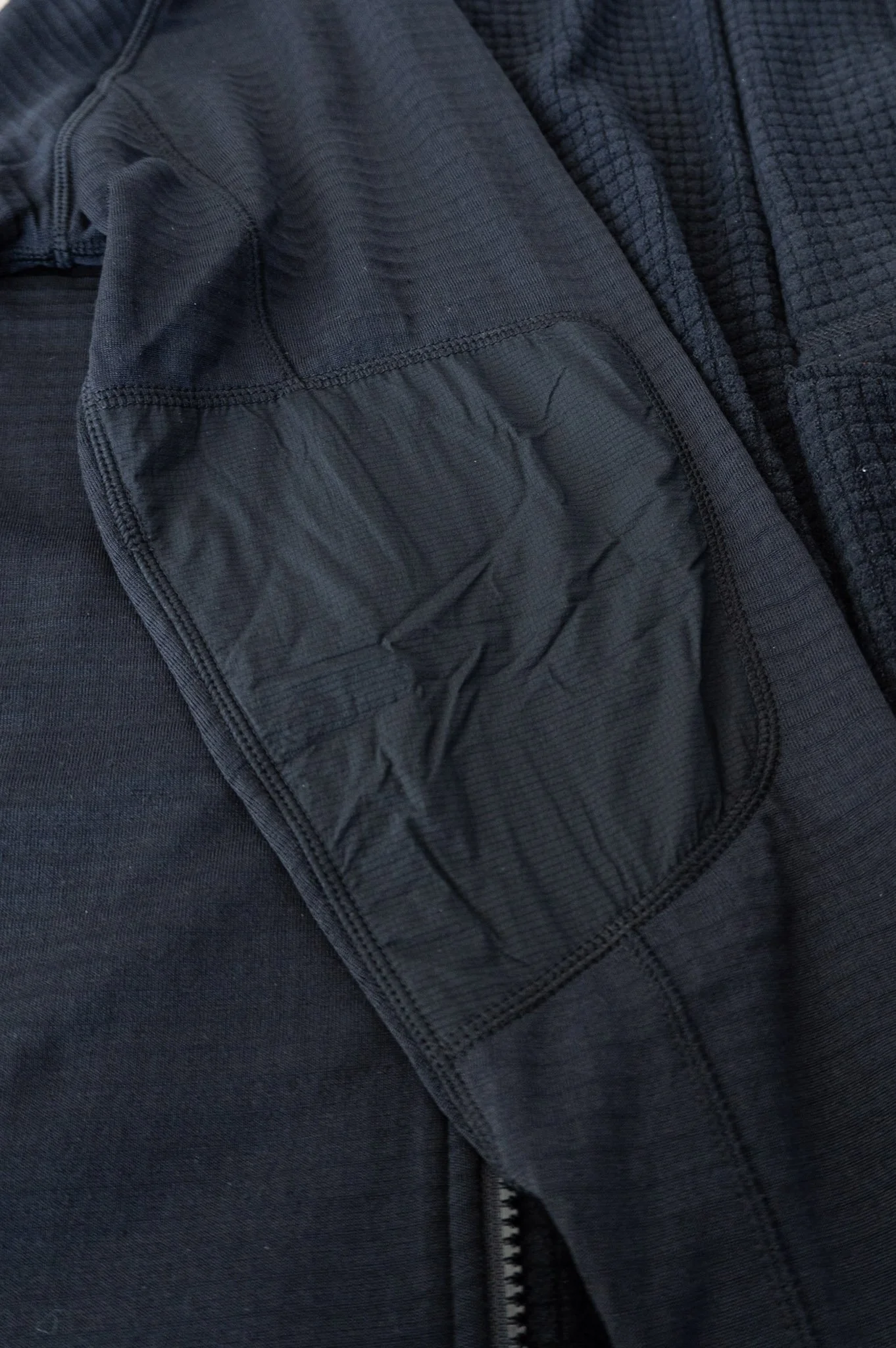
Ripstop elbow panels show no noticeable damage
- What We Don’t Like
Hand pockets sag a phone
Too warm for me around 60°F in direct sun
Long sleeves bunch around my watch when I do not use the thumbholes
Nitty Gritty
KETL-listed fabric: 63% polyester / 25% merino wool / 6% nylon / 6% spandex
KETL-listed fabric weight: 230 gsm
Adventure Worthy measured weight: 455 g in men’s medium
KETL-listed weight: 460 g in men’s medium
Fit during testing: Roomy through the torso with tighter-fitting forearms
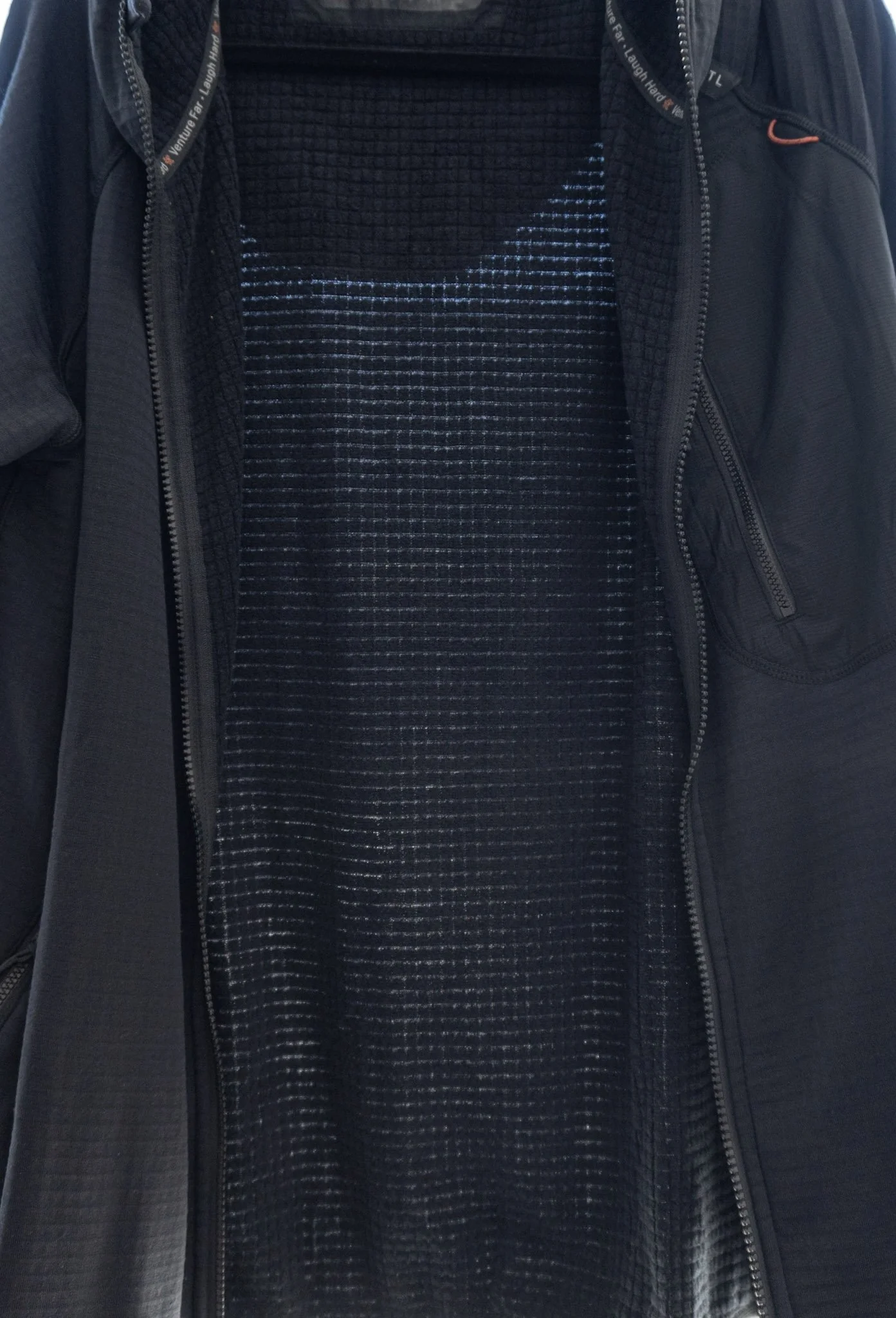
Hood: Three-panel scuba-style hood
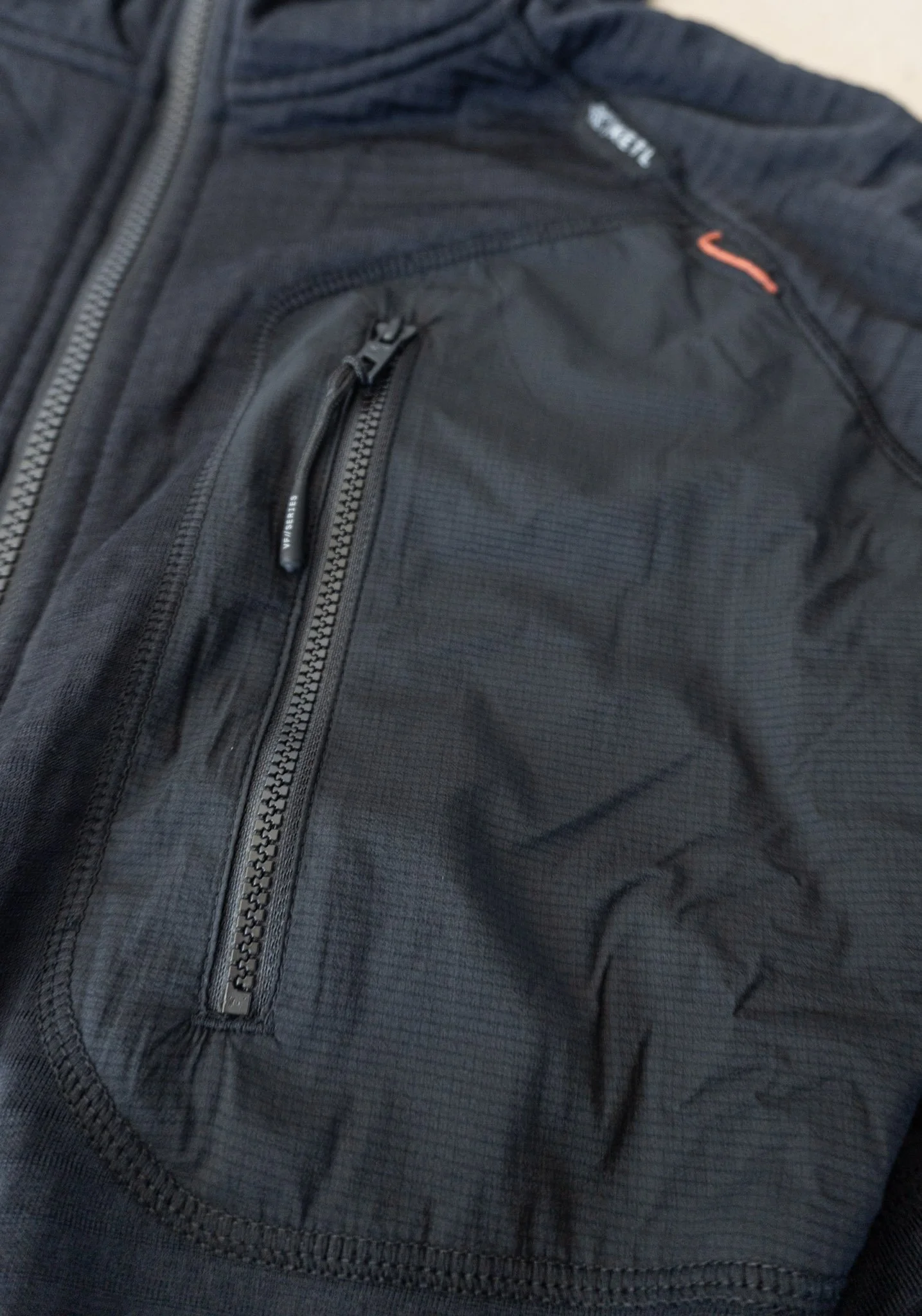
Storage: Two zippered hand pockets and one reinforced zippered chest pocket
Features: Thumbholes, locking main zipper, and ripstop elbow panels
Size tested: Men’s medium
Best for: Everyday winter wear, cold-weather hiking, backcountry skiing, and layering under a shell
Care during testing: Washed inside out; hang-dried or tumble-dried on low
Price: $174 at the time of writing
Disclosure: Adventure Worthy is affiliated with KETL Mountain Apparel. The RLT was purchased at a discounted rate. This is not an affiliate link. KETL did not review, edit, or approve this article.
Tested In
Primary location: Reno/Tahoe, including the Mount Rose area
Additional location: Mount Bierstadt, Colorado
Testing period: Roughly nine months across fall, winter, and spring
Casual use: Four to six days per week for roughly six months
Activities: About 10 hikes, about 10 backcountry ski tours, limited resort skiing, work, errands, neighborhood walks, and yard work
Longest hike: Six hours with 2,800 feet of climbing and a roughly 40-pound pack
Coldest start: Approximately 5°F on a backcountry ski tour near Mount Rose
Warmest casual use: Around 60°F in direct sun, where it felt too warm
Wind: Approximately 25–35 mph gusts around Mount Rose at 40°F
Not tested: Running, sustained rain, falling snow without a shell, or hood compatibility with a helmet
Fit Notes
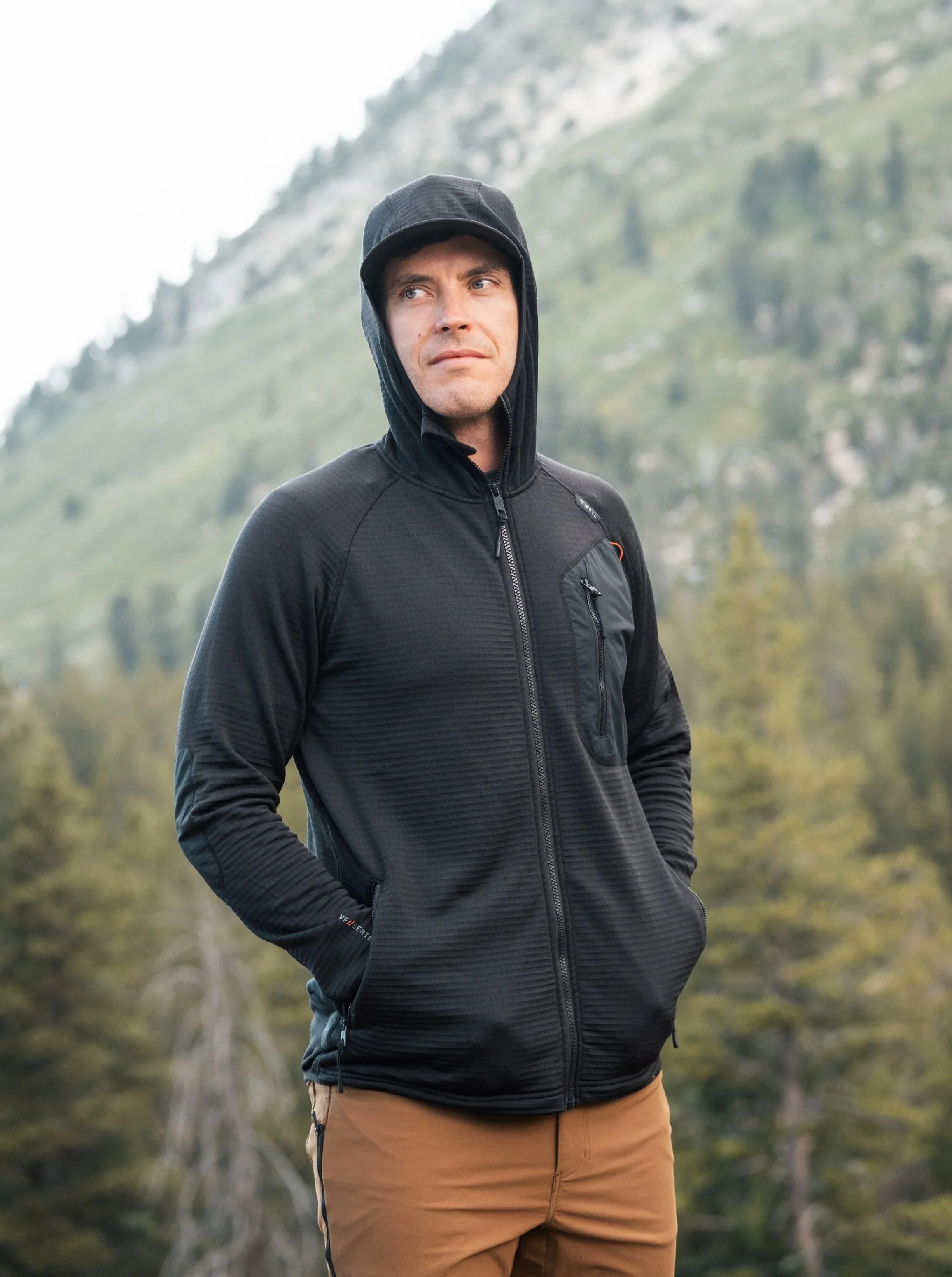
I tested a men’s medium. I am 5'9", weigh 170 pounds, and have an approximately 41-inch chest. The medium is the size I would buy again.
The fit is athletic, but the stretch kept it from feeling tight across my chest, shoulders, armpits, or torso. I could hike and ski without restriction. The forearms fit slightly tighter, which helped keep the sleeves from riding up.
I only wore thin shirts and merino base layers underneath. The medium had plenty of room through the torso for those layers, while the forearms fit closer. A crewneck sweatshirt also felt possible based on the available room, but I did not test one underneath.
The sleeves are long enough for the thumbholes to sit comfortably over my hands. Using them also kept the sleeves from bunching when I pulled on a ski shell. Without the thumbholes, the extra fabric bunches behind my watch, but not enough to bother me. The three-panel hood fits closely with or without a hat, stays in place, and turns with my head without blocking my vision. I did not test it with a helmet.
Why I Kept Wearing It
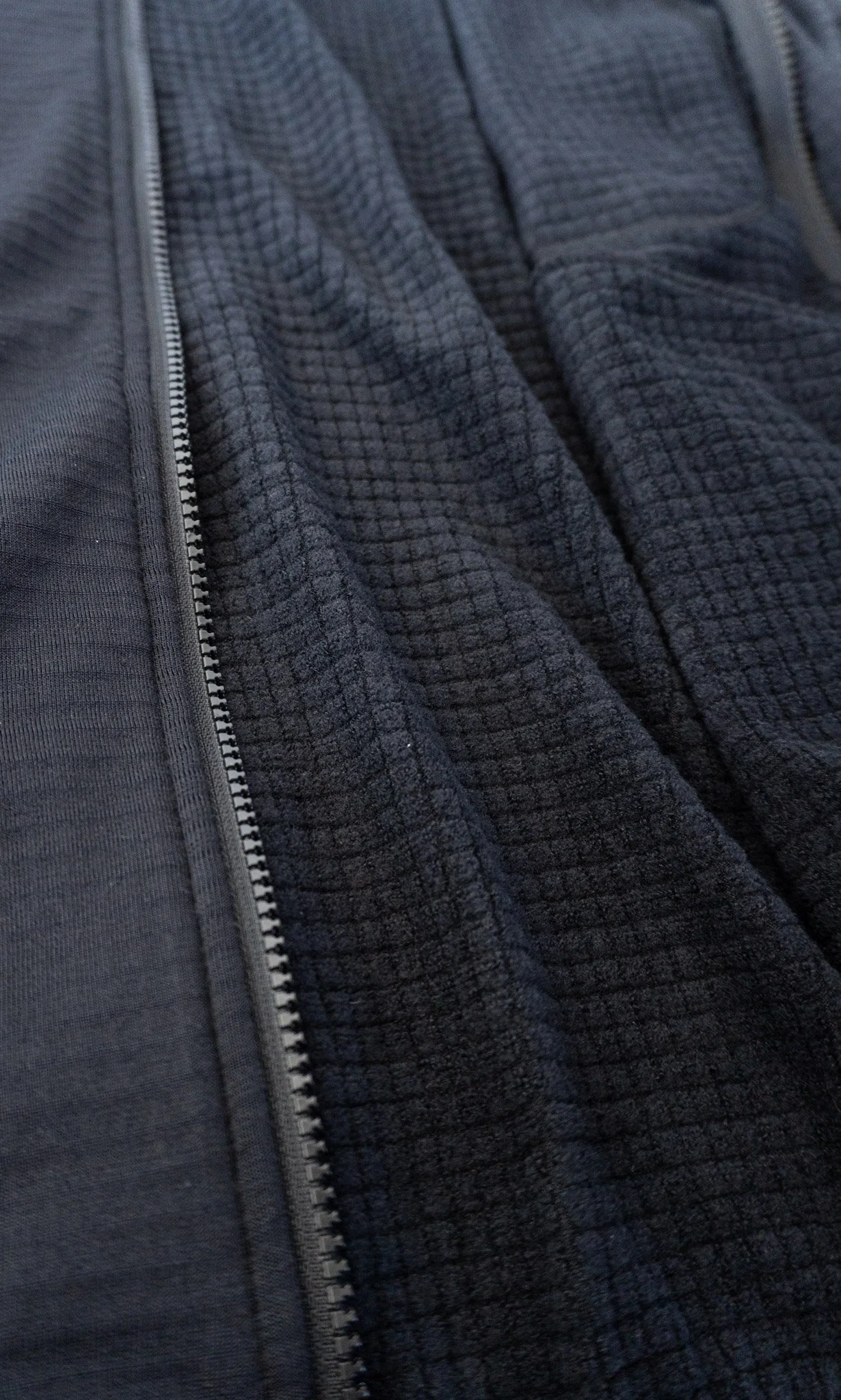
The inside has a soft, slightly fluffy grid that feels closer to a sweatshirt than most of my technical midlayers. I wore it over a short-sleeve shirt for errands and yard work in 40°F to 50°F weather, often leaving it fully zipped. It stayed comfortable against my bare arms without the itchiness I sometimes get from merino.
I never noticed the stitching or cuffs while wearing it. More importantly, it looks normal. I could wear it to work, a farmers’ market, a pub, or a restaurant without looking like I forgot to change after skiing.
Mount Bierstadt Trip
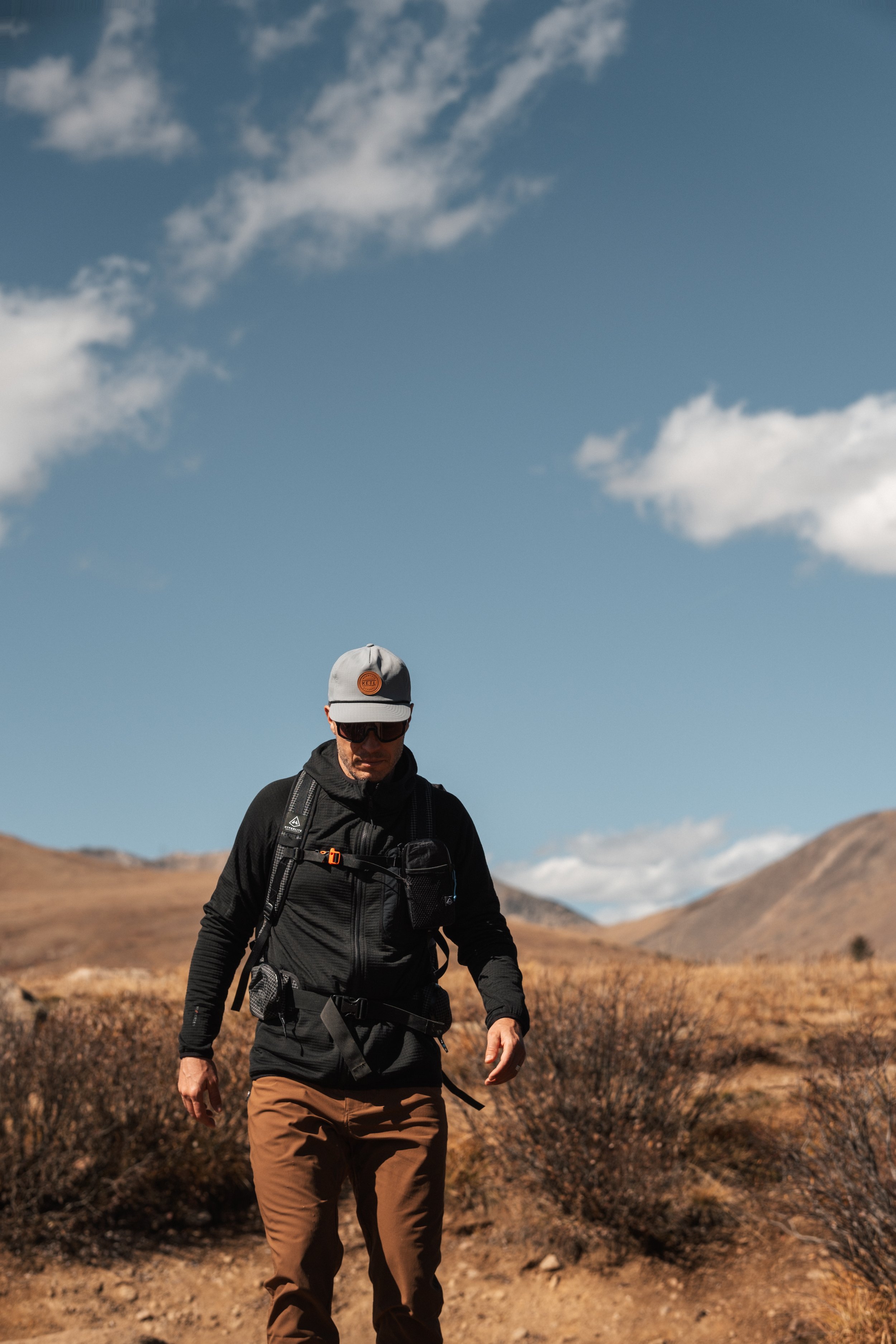
My longest hike in the RLT was an October day on Mount Bierstadt outside Denver. The six-hour hike climbed about 2,800 feet with a roughly 40-pound pack. It started around 35°F and never got much warmer than 45°F, with clear sun and wind below roughly 10 mph.
I wore a thin long-sleeve merino shirt underneath and started with the RLT fully zipped and the hood up. Once the sun came out, I dropped the hood and opened the zipper slightly. Its locking zipper held that position instead of slowly working downward.
My back sweated beneath the pack, but the layers never felt soaked. Once I removed the pack, the damp feeling faded within a few minutes, and I never got the cold, clammy feeling I sometimes notice after taking off a sweaty pack.
The summit was around 40°F. I kept the RLT on while standing around and throughout the descent. I expected a 230 gsm hoodie to become too warm once the sun came out, but adjusting the hood and zipper was enough.
Backcountry Skiing Around Mount Rose
I used the RLT on about 10 backcountry ski tours. The best example was a six-hour day near Mount Rose when we tried to hit as many peaks as possible. The morning started around 5°F, climbed into the low 20s after sunrise, and eventually reached the low 40s.
I wore a long-sleeve merino base layer, the RLT, and an uninsulated ski shell. The shell stayed on for the cold start, then came off during the climbs and went back on during stops and descents. Our stops lasted no more than 20 minutes. My torso stayed warm during stops, but my arms were the first place I noticed the cold creeping in. The RLT never felt noticeably damp to the touch.
The RLT did not keep me warm by itself at 5°F. The base layer and shell mattered, especially early and whenever I stopped moving. I left the RLT on all day and adjusted only the shell as the temperature and effort changed.
RLT vs. Patagonia R1 Air
The closest fleece I own is the Patagonia R1 Air Full-Zip Hoody. Both feel soft and let wind through, but the R1 Air is lighter. My medium R1 weighed 365 grams on the same Ultrean scale that put the RLT at 455 grams. The R1 Air’s fabric feels slightly thinner, but the difference is small. Stuffed into my backpack, I could not tell a meaningful difference in how much space they occupied.
I wore them back-to-back on the same steep, rocky loop near my house. Each lap covered four miles with about 1,500 feet of climbing at 36°F. I wore the R1 Air first, rested for 30 minutes, changed into a dry copy of the same base layer, and repeated the loop in the RLT. Both stayed fully zipped, and the laps took 60 to 63 minutes.
After the R1 Air lap, its fabric felt damp. I also felt chilled around my armpits, forearms, and lower back. After the RLT lap, the hoodie did not feel noticeably damp, and I never had the same cold, clammy feeling.
This was two laps on one day, not a lab test. The R1 Air went first, and a 30-minute break did not perfectly reset my body. I changed my base layer and kept the times and perceived effort as close as I reasonably could, but this one comparison does not prove the RLT will always manage sweat better.
At the time of writing, the R1 Air costs $199, and the RLT costs $174. I would buy the RLT if warmth and repeated wear mattered more. I would pay more for the R1 Air if saving 90 grams mattered more.
Pockets and Wind
I mostly used the hand pockets for my hands or gloves. Their soft, stretchy fabric does not support much weight. My iPhone 13 sagged and bounced when I walked briskly, so I moved it to the reinforced chest pocket. That pocket held it close to my body, remained clear of my backpack straps, and was still reachable beneath a partially unzipped ski shell.
In roughly 25–35 mph gusts near Mount Rose at about 40°F, I stayed warm enough while moving that I did not add a shell. As soon as I stopped, I felt the cold air through the fabric.
Odor, Washing, and Long-Term Wear
If I wore the RLT more than twice in a week, I washed it that week. Otherwise, I waited until it had seen more use. I turned it inside out and either hung it to dry or tumble-dried it on low.
To see if I could get the jacket to smell, wore it for two straight weeks without washing it. That included a few hikes and enough sweat that I checked the armpits, neck, back, and lower back. I did not sleep in it. I could not smell anything bad, so I asked my wife, whose nose is more sensitive than mine. She could tell it had been worn a lot but did not think it smelled bad enough to wash immediately.
My R1 Air has developed a noticeable smell after about one week of consecutive wear that included hikes and a ski day. These were separate stretches, not a controlled comparison, but the RLT gave me more confidence for a multi-day trip.
After roughly nine months, I see no major change in the RLT’s fabric or fit. Repeated low-heat drying has not noticeably shrunk it. The areas beneath my backpack straps show no obvious wear, and the zipper and locking mechanism still work smoothly. I brushed the ripstop elbow panels against rocks and rough surfaces without leaving obvious marks or tears. The panels are quiet enough that I forget about them while moving.
Final Thoughts
I would buy the RLT again for cold hikes, ski tours, and repeated wear around town. I would choose the R1 Air when saving 90 grams mattered more, and I would look elsewhere if I needed a fleece that could block wind on its own.