
KETL MilesBound Pullover Hoodie Review: Six Months of Travel, Cold Runs, and Hiking
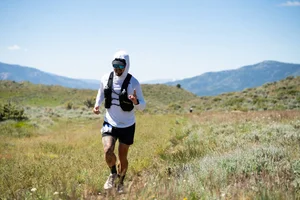
The KETL MilesBound Pullover handled a 25°F trail run, an eight-hour flight, and a 30-mile overnight hike. After six months of near-daily shoulder-season wear, it became my default hoodie when I did not know what the day would involve.

Most of my testing happened around Reno and Tahoe, with additional travel to Boston. Over six months, I wore it between 25°F and 65°F for trail running, hiking, mountain biking, travel, and casual use.
The Verdict
The MilesBound is best for travelers who want one compact hoodie for cold workouts and everyday wear. It is thinner than my cotton hoodies but warmer than the training tops I wear for sweaty workouts. The stretch never restricted me while running or mountain biking, and the fabric held enough warmth for camp and chilly flights.
It slides under a shell, looks casual enough for restaurants, errands, and family trips, and rolls to about the size of a 24-ounce shaker bottle.
The medium I tested felt slightly tight below the armpits across my wider back. If you’re looking for a thick Carhartt-style sweatshirt for maximum warmth, the MilesBound Hoodie may not be the pick for you.
For $94, I would buy it again because it can handle a cold workout and still be the only hoodie I pack for the rest of the trip.
The MilesBound is best for travelers who want one compact hoodie for cold workouts and everyday wear. It is thinner than my cotton hoodies but warmer than the training tops I wear for sweaty workouts. The stretch never restricted me while running or mountain biking, and the fabric held enough warmth for camp and chilly flights.
It slides under a shell, looks casual enough for restaurants, errands, and family trips, and rolls to about the size of a 24-ounce shaker bottle.
The medium I tested felt slightly tight below the armpits across my wider back. If you’re looking for a thick Carhartt-style sweatshirt for maximum warmth, the MilesBound Hoodie may not be the pick for you.
For $94, I would buy it again because it can handle a cold workout and still be the only hoodie I pack for the rest of the trip.
+ What We Like
Packs down to roughly the size of a 24-ounce shaker bottle
Kept me comfortable during a calm 25°F run over a thin merino shirt
Looks casual enough to keep wearing after the workout
- What We Don’t Like
The kangaroo pocket bounces when loaded during runs or rides
The underarm cut can feel snug on broader builds
Nitty Gritty
Fabric: 75% nylon / 25% spandex
Fabric weight: 230 gsm
Measured weight: 375 g in men’s medium
KETL listed weight: 376 g in men’s medium
Fit: Athletic, with room for a shirt underneath
Hood: Three-panel design with drawstrings
Storage: One connected kangaroo pocket with zippered openings on both sides
Features: Thumbholes, underarm vents, and a dropped rear hem
Colors Offered: Black, Grey, and Green
Options Available: Pullover & Full Zip-Up
Tested: Grey Pullover
Best for: Travel, everyday wear, cold-weather running, hiking, and casual mountain biking
Care: KETL recommends washing cold and air-drying to extend the garment’s life
Price: $94
Disclosure: Adventure Worthy is affiliated with KETL Mountain Apparel. The MilesBound Hoodie was purchased with our own money at a discounted rate, and this review follows the same testing and editorial standards we apply to every product.
Tested In
Primary location: Reno/Tahoe
Additional travel: Boston, Massachusetts
Temperature range tested: 25°F to 65°F; too warm for me at the upper end in direct sun.
Testing period: Six months
Activities: Trail running, hiking, overnight backpacking, mountain biking, travel, and casual wear
Longest run: Two hours at approximately 25°F
Longest hike: 30 miles over two days with a roughly 35-pound pack
Longest travel day: Eight hours between Reno and Boston
Fit Notes
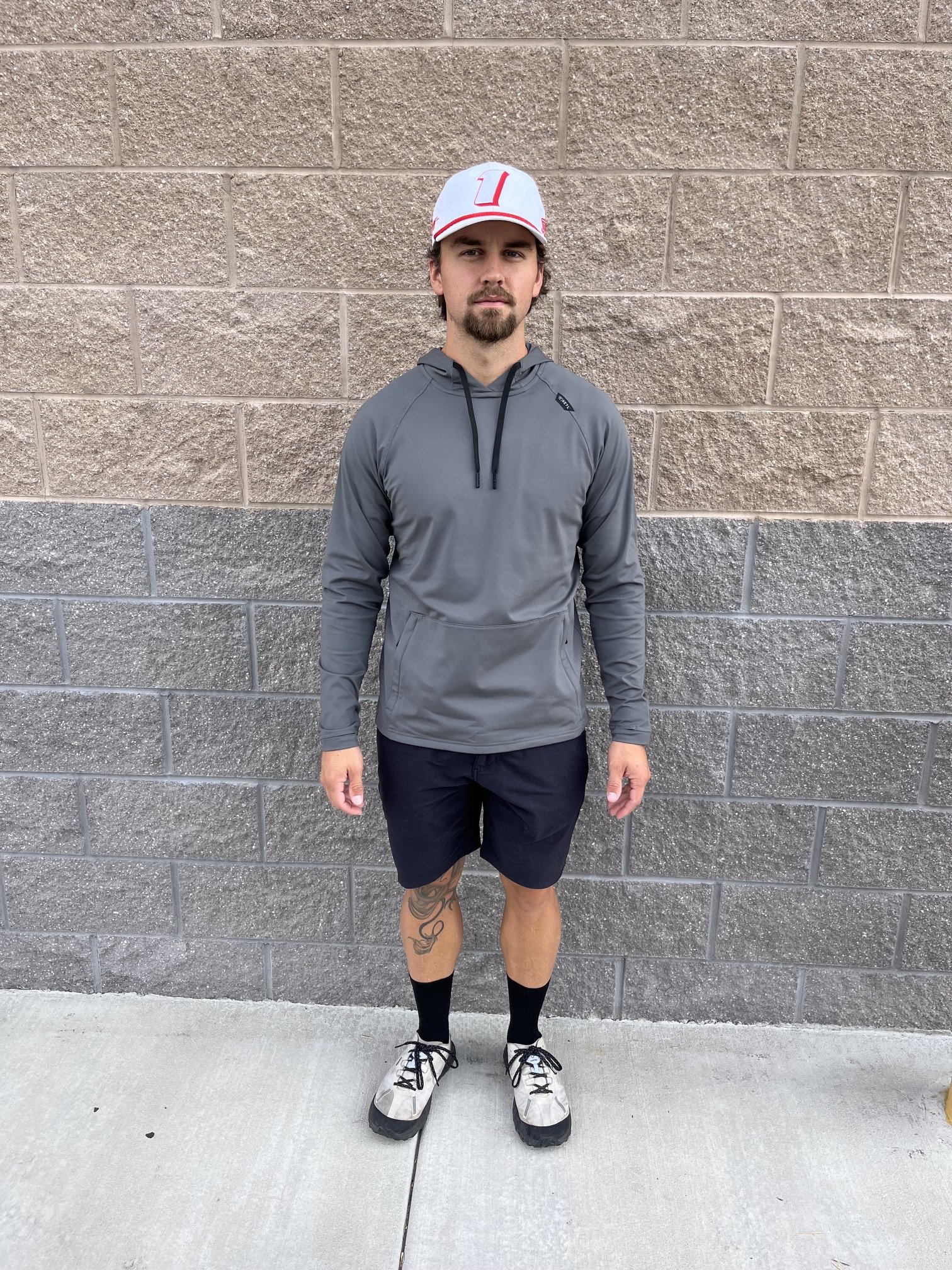
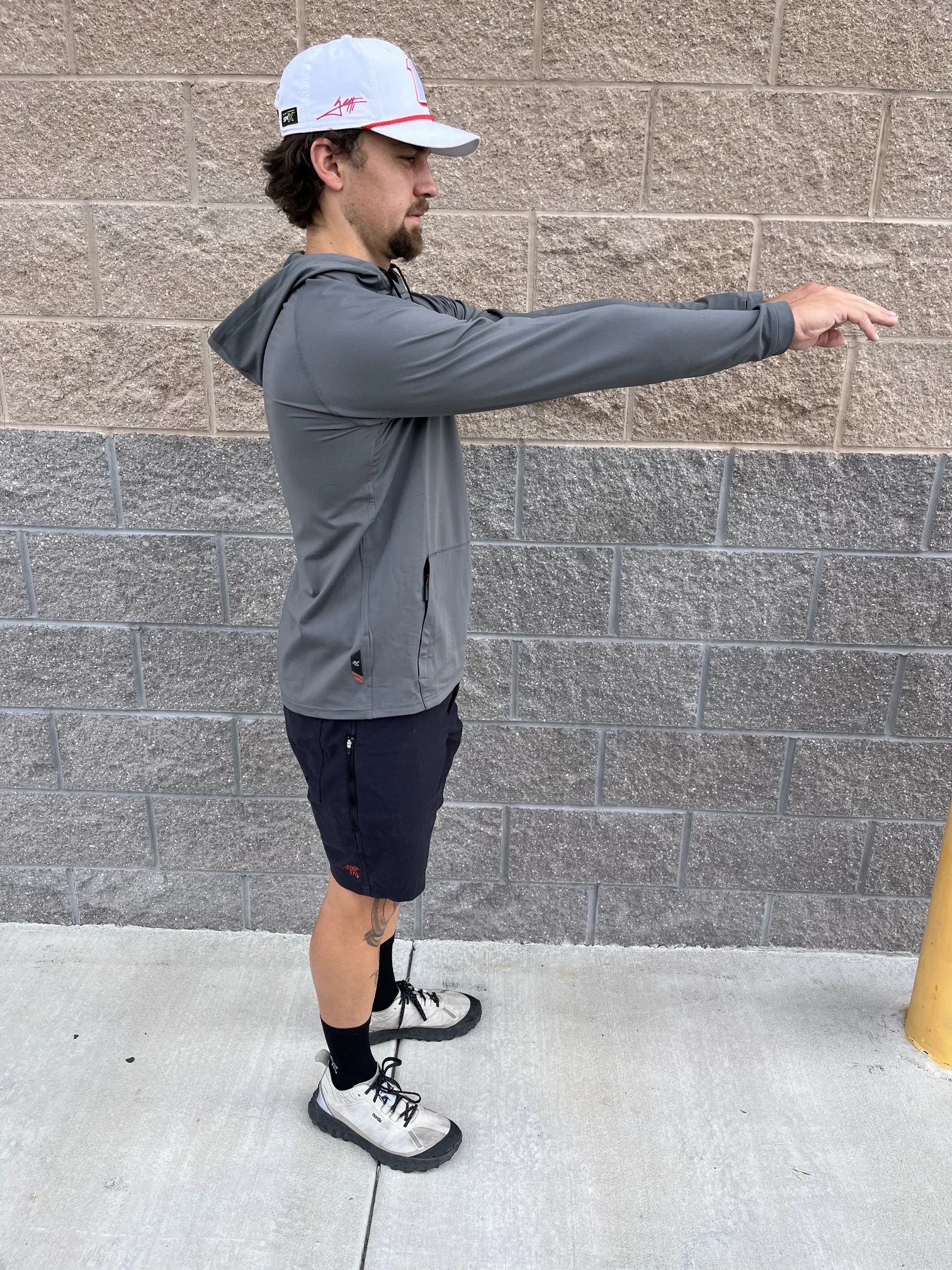
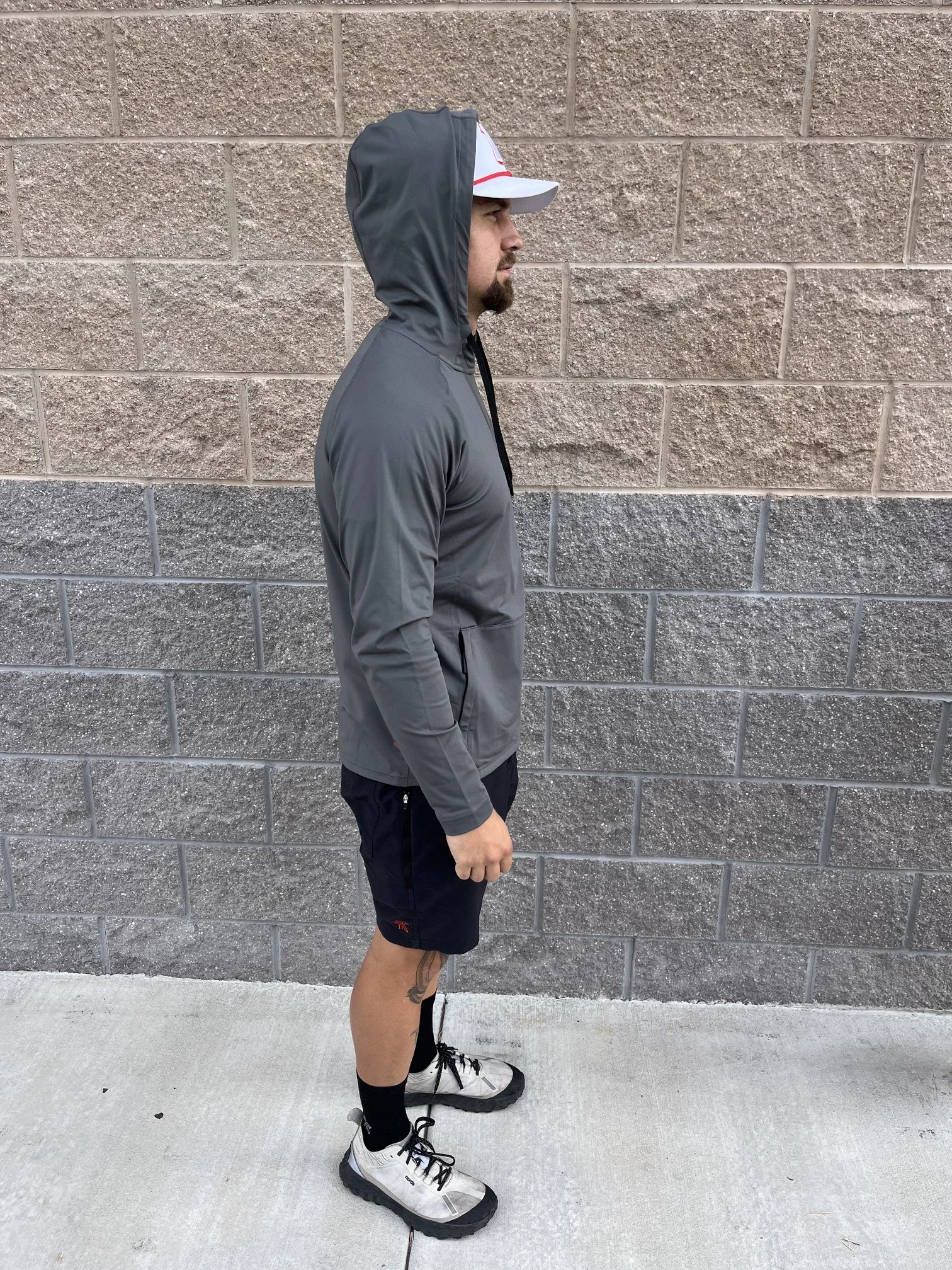
I tested a men’s medium. I am 5'9", weigh 170 pounds, and have a 41-inch chest. The medium fit well through the torso, shoulders, sleeves, and hem, with the kind of clean athletic shape I expect from a performance hoodie.
There was enough room to wear a short-sleeve or long-sleeve shirt underneath. If I wanted to add anything thicker than that, I would size up to a large. The MilesBound worked best for me as a light outer layer or underneath a shell, not as an oversized cotton hoodie.
The only pressure point was below the armpits, where the cut felt a little tight across my wider back. I regularly fall between medium and large there, so I do not think everyone will have the same issue. People with broad shoulders or backs should pay closer attention to sizing.
The stretch kept that snugness from becoming restrictive. I could run, ride, and hike without the torso or sleeves fighting my movement.
A Hoodie That Packs More Like a Shirt
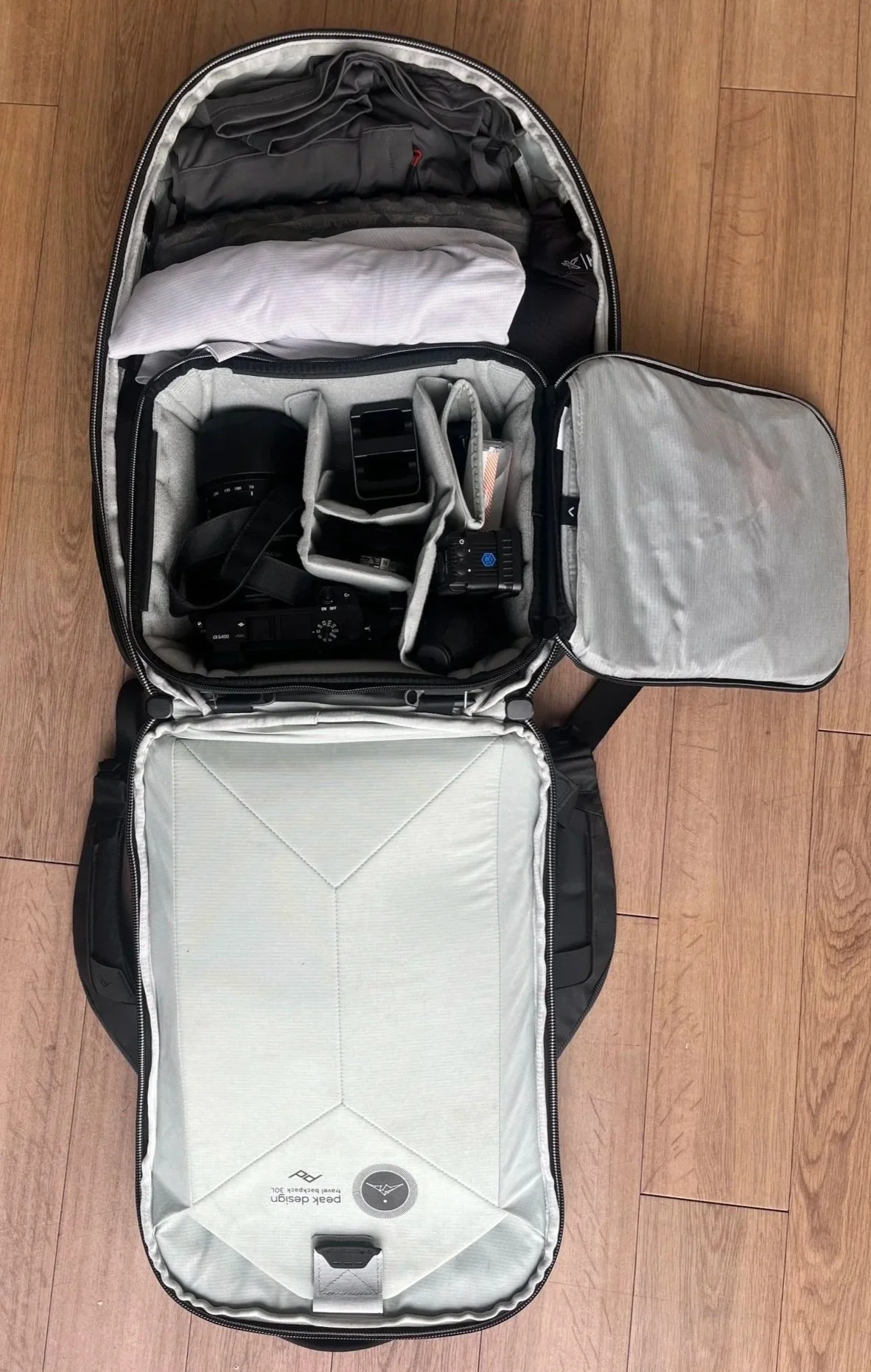
My medium weighed 375 grams and felt closer to a heavy long-sleeve shirt than a bulky cotton sweatshirt. Despite the shirt-like weight, it kept me warm during cold runs, mornings around camp, and chilly flights.
Against the skin, it feels soft and smooth. After six months of washing and drying, mine lost a little of its original buttery feel, but I only noticed it beside a brand-new one. There are also underarm vents that are easy to see, but I could not separate their effect from the fabric’s overall breathability.
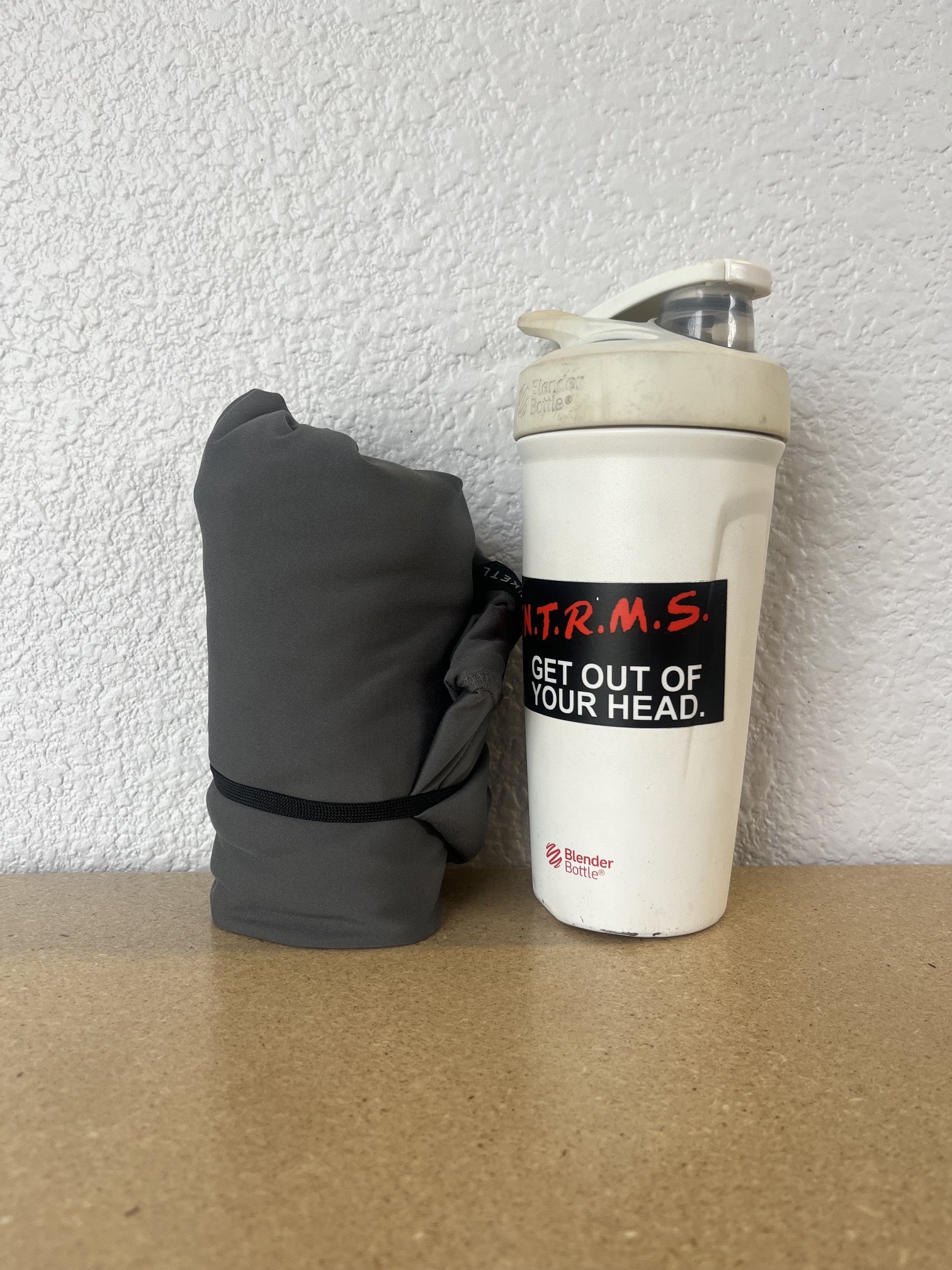
Rolled up, the medium is about the diameter of my 24-ounce shaker bottle, although the bottle is slightly taller. That is closer to a thick rolled cotton T-shirt than to a bulky sweatshirt.
A Two-Hour Run at 25°F

My clearest running test started before sunrise on a calm winter morning around 25°F. I wore a thin short-sleeve merino shirt underneath and nothing over the hoodie. The run lasted about two hours.
Whenever I stopped, I could see vapor coming off my body, so I was clearly sweating. What surprised me was that I never felt wet or clammy inside the hoodie.
For me, the running cutoff was around 45°F to 50°F, especially once the sun came out. I run hot and sweat more than some people, so a colder runner may be able to push it farther. Above that range, I would rather start in something lighter than carry the hoodie once I warmed up.
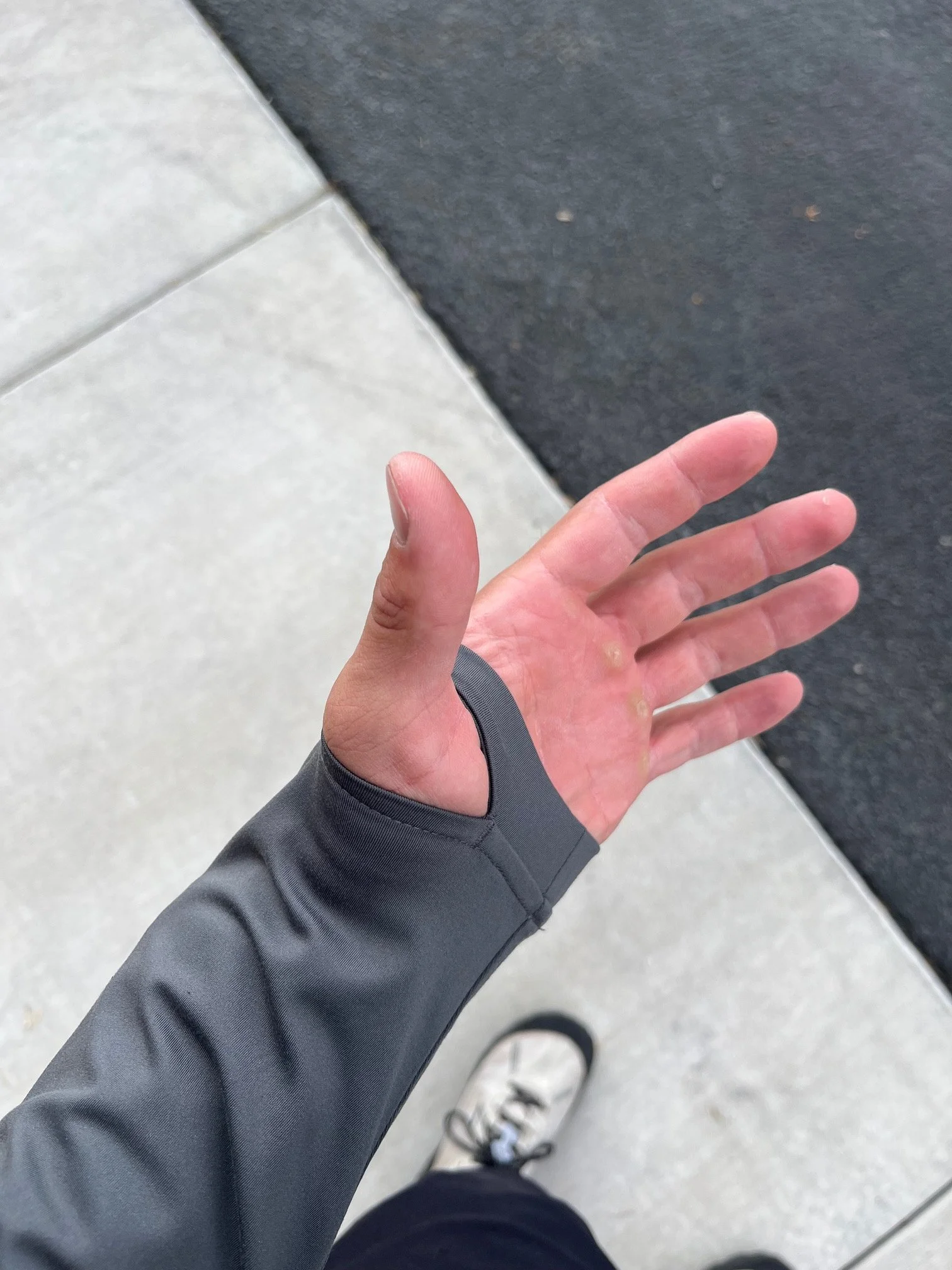
The thumbholes kept the sleeves in place and gave my hands a little more coverage without pulling or feeling awkward. After six months, the openings had not noticeably stretched out.
The main running limitation is the pocket. A credit card and ID stayed secure, but during an hour-long run, two gels bounced enough that I moved them to my shorts pockets.
30-Mile Overnight Hike From 28°F to 55°F
The longest hike I wore it on covered 15 miles into camp and 15 miles back out the next day. Each leg took roughly five hours. My pack weighed around 35 pounds, and temperatures ranged from a 28°F overnight low to daytime highs around 55°F.
I wore the hoodie during the cold morning miles with a long-sleeve merino shirt underneath. Once the temperature reached roughly 45°F to 50°F in direct sun, I took it off.
Around camp, I put it back on and kept it on overnight inside my sleeping bag. It also stayed comfortable below the pack. I did not notice clamminess or fabric bunching against my back, and the shoulders showed no obvious wear after repeated backpack use.
It Works on the Bike Without Feeling Like Bike Clothing
Most of my mountain bike rides in the MilesBound happened between 40°F and 50°F. The garment stayed on for the entire ride. I occasionally pulled the hood over my head during climbs when I wanted extra warmth, then dropped it for the descents.
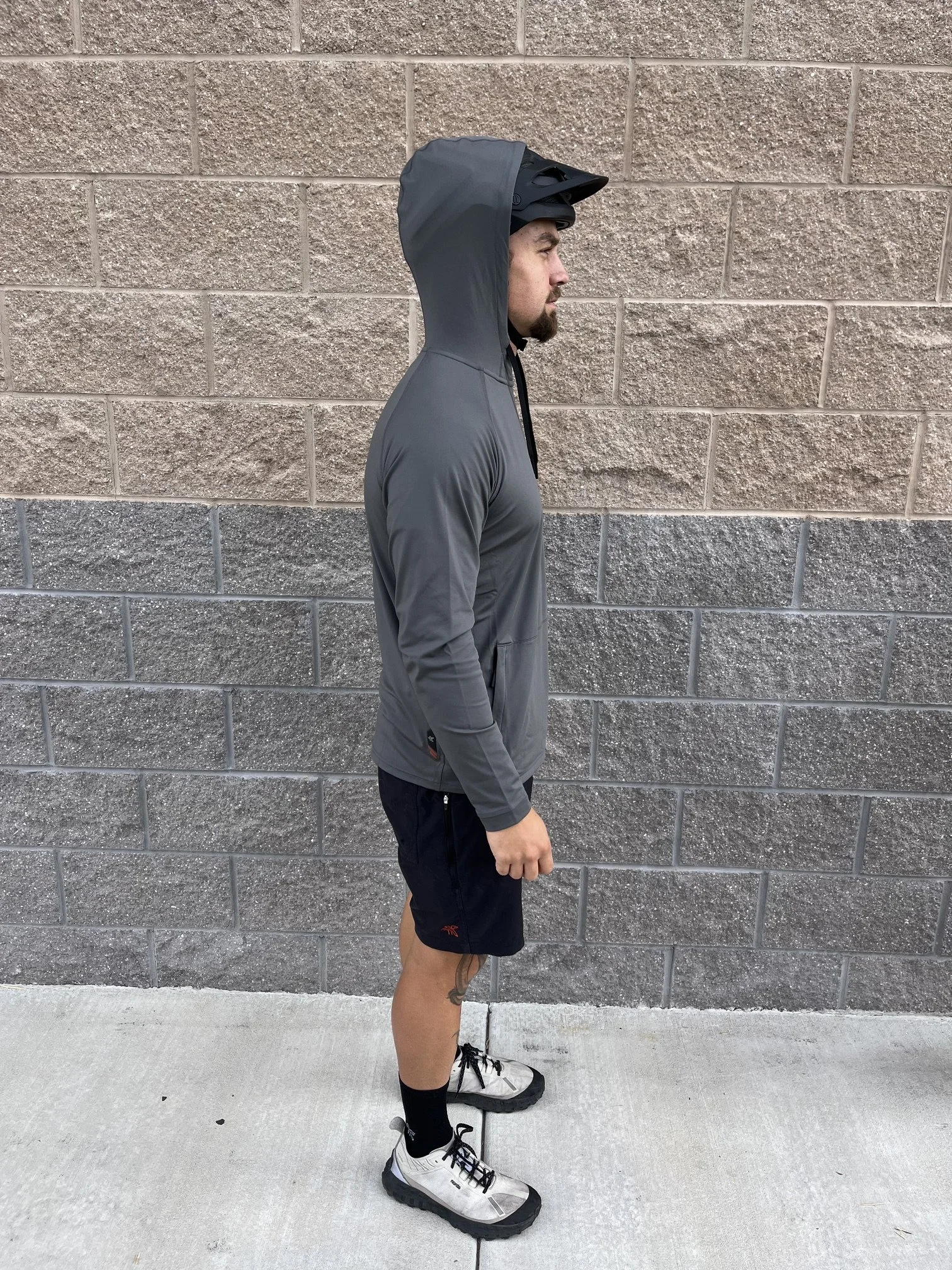
The stretch never restricted me, and the dropped rear hem kept my back covered in the attack position. The fabric also stayed quiet. If I do not hear what I am wearing, I can focus on riding, which is exactly how I like it.
The three-panel hood fits over a hat or helmet without restricting peripheral vision. During stronger gusts, I tied the drawstrings together to keep the hood from loosening and catching air. The MilesBound is not a wind-blocking layer, but it stayed comfortable in light breezes.
Travel Is Still Its Best Use
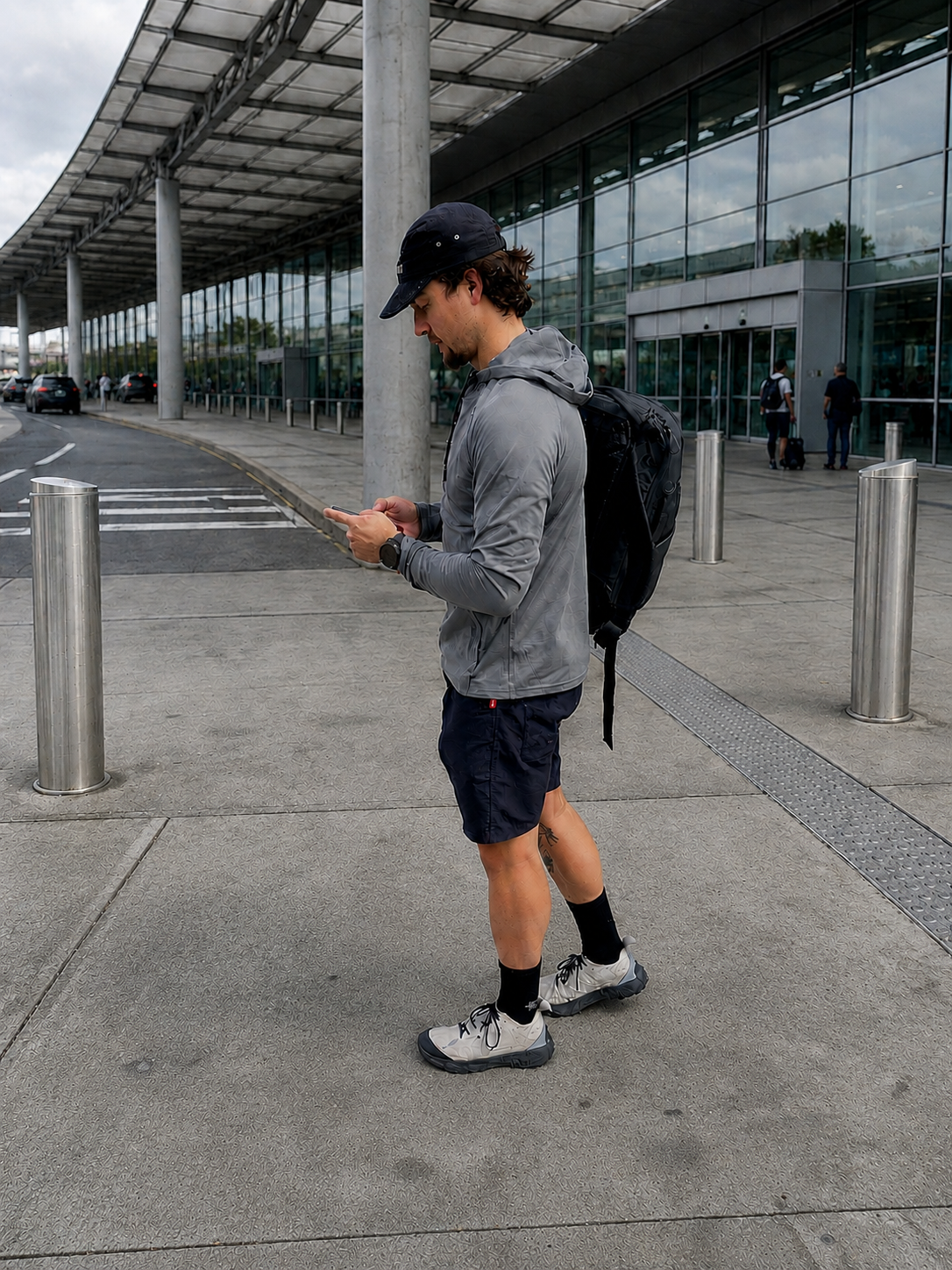
The longest travel test was an eight-hour trip from Reno to Boston. The outdoor highs were similar on each end, about 58°F in Reno and 52°F in Boston. I put the MilesBound on before reaching the airport and did not remove it until after the trip was over.
It was warm enough for the airplane without becoming annoying inside the terminals. The fabric did not bunch while sitting, and I could keep my wallet or passport in the zippered front pocket where it was secure but easy to reach. The kangaroo pocket worked much better during travel. It is large, easy to reach, and has zippered openings on both sides. This is a travel hoodie first, so I can forgive the lack of running-specific storage.
The MilesBound also looks very casual. I was comfortable wearing the grey hoodie to casual restaurants, the bank, errands, or family outings without feeling like I had just left the gym, even though I did.
Sweat, Odor, and Care
For a hoodie, the MilesBound handles sweat well. Hard workouts left visible wet patches on the lighter grey fabric, but those marks disappeared after the fabric dried. It dried faster than the cotton hoodies I normally wear, although I did not conduct a controlled drying test.
Odor can build after a hard workout, so I would wash it after sweaty runs rather than expect several hard sessions between washes. The odor never seemed permanently stuck in the fabric. After washing, it smelled normal again.
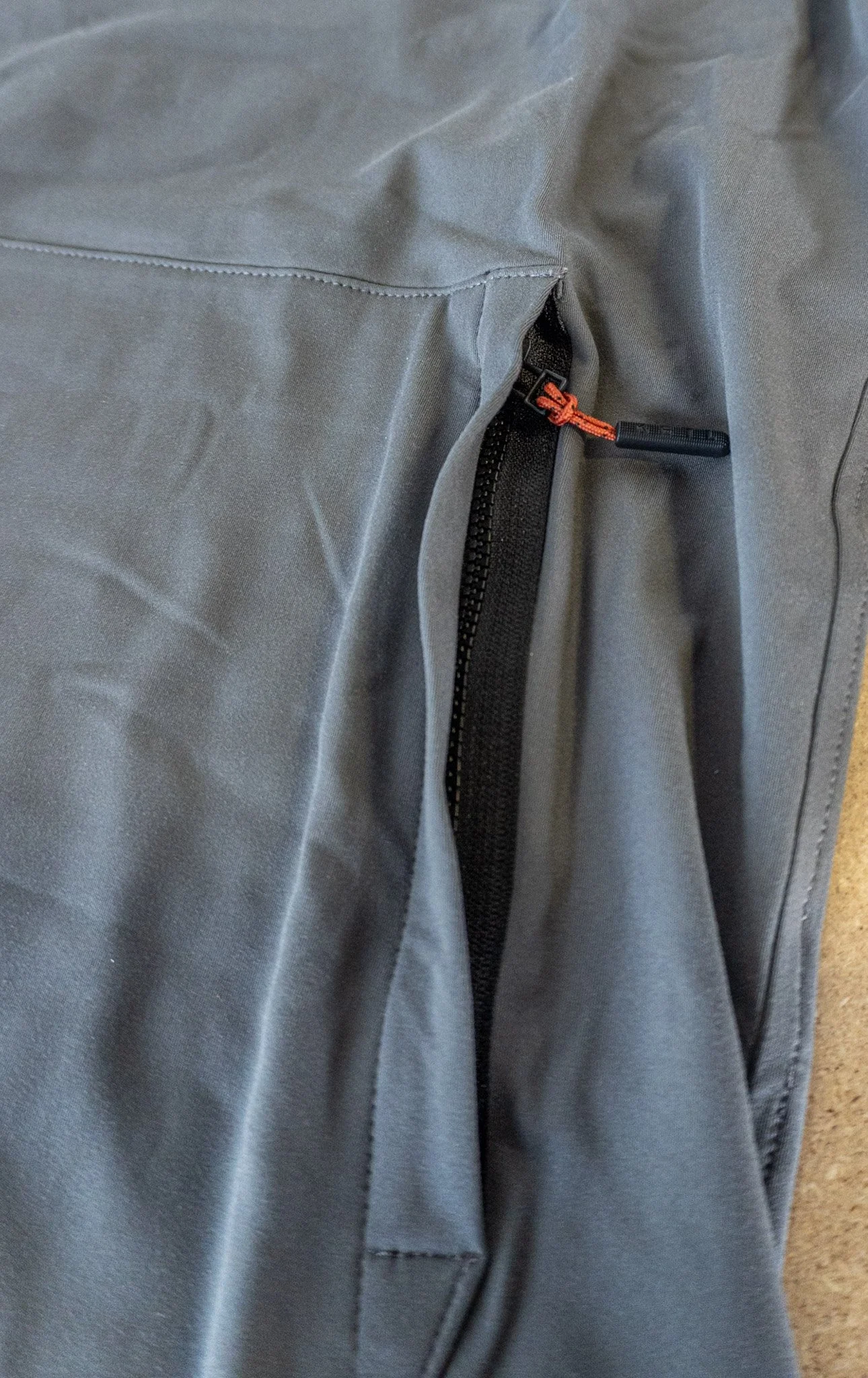
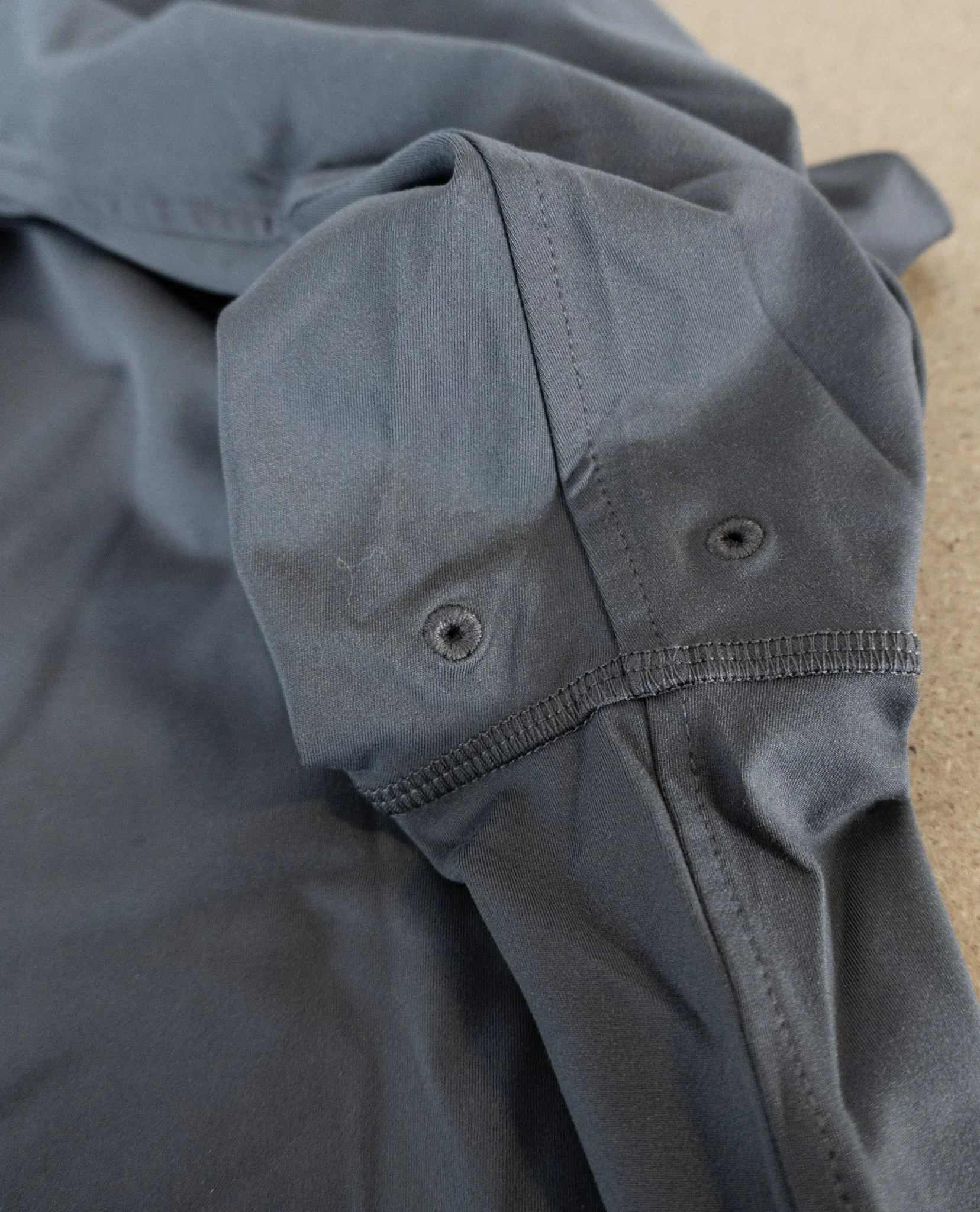
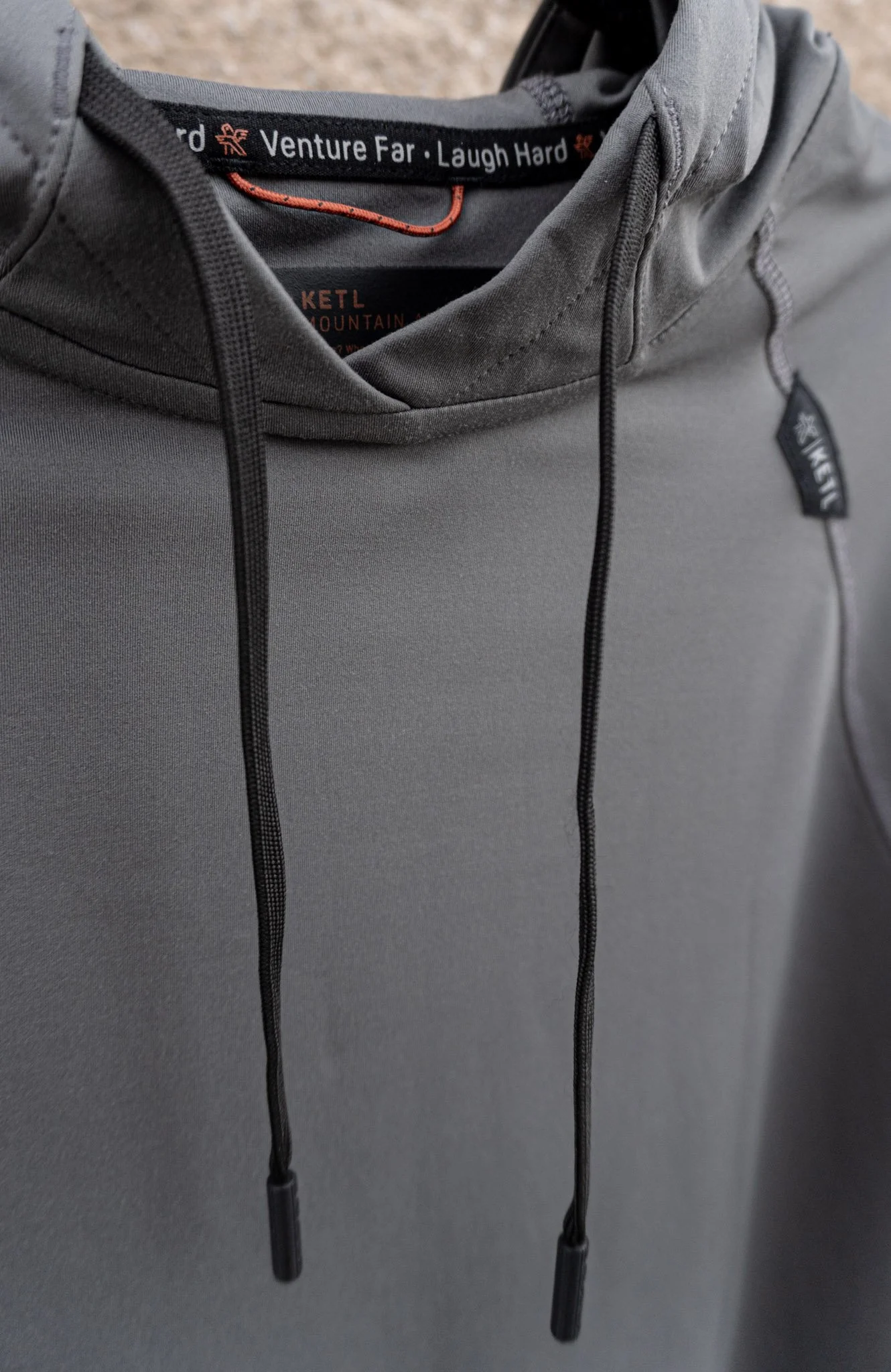
I washed the hoodie at least once per week and sometimes twice, depending on how hard I had used it. KETL recommends cold washing and air-drying, but I washed and machine-dried mine with the rest of my clothes. I had no issues with shrinking, fading, pilling, stretched thumbholes, failed seams, or damaged zippers.
That does not mean machine drying is the best way to maximize its life. It only means mine handled six months of ordinary laundry without an obvious failure.
MilesBound vs. Lululemon License to Train Hoodie
The closest comparison I own is the Lululemon License to Train Hoodie, which I tested in the same medium size for roughly four months.
During my testing, the License to Train was the better gym hoodie. It feels airier once I start sweating and would be my choice for an indoor workout or a chilly warm-up. The tradeoff is that it has no pockets, thumbholes, or hood drawcord, and it looks unmistakably like training clothing.
The MilesBound is warmer and easier to use outside the gym. I would choose it for a below-freezing run, a flight, or a trip where I wanted one hoodie for workouts and normal daily wear. I would choose the Lululemon if training performance mattered more than warmth, storage, or casual use.
Where It Falls Short
The MilesBound is not for someone looking for a heavy, warmth-first sweatshirt. If your idea of a hoodie is a thick Carhartt-style layer for standing around in cold temps, the MilesBound may feel too light.
It also does not replace a shell. In strong wind, I could feel gusts moving through the fabric. When temperatures dropped to around 35°F or below in wind or rain, I layered a shell over it. I wore that combination both while moving and standing around, and the smooth fabric and thumbholes made layering easy without the sleeves bunching.
I did not test the MilesBound fully exposed in sustained rain or falling snow, so I cannot judge its performance in either.
Final Thoughts
I would pack the MilesBound again for a trip that includes a cold run, a flight, and normal days around town. The Lululemon is still my better gym hoodie, and a heavy sweatshirt is warmer for standing around, but neither covers the same mix of use for me.