

Outdoor Vitals Tern Merino Hoodie Review: Light, Packable, and Surprisingly Good in Warm Weather

I’ve been using the Outdoor Vitals Tern Ultralight Merino Wool Hoodie around the Sierra Nevada and Reno-Tahoe area, which turned out to be a pretty honest place to test it. A day can start cool, turn hot in exposed sun, get windy near a ridge, and still throw enough granite, brush, and lake stops at you to remind you that lightweight gear always has a tradeoff.
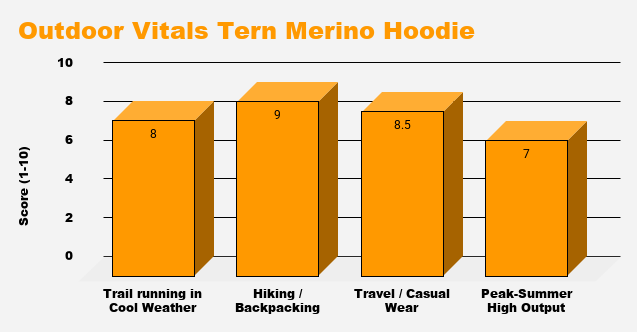
What surprised me most was how wearable it stayed in warmer temps. A lot of merino hoodies sound great on paper, then feel a little too warm once the sun gets high and the climb starts getting sweaty. The Tern still feels like merino, but the fabric is light enough that I was comfortable running in it around 70–75°F and hiking in it around 80°F without immediately wanting to tear it off. That is not something I can say about every merino sun hoodie.
The Verdict:
The Tern is for someone who wants the odor resistance and comfort of merino without the warmer, heavier feel that some wool sun hoodies bring. It is not the burliest sun layer, but it is one of the easier merino pieces to actually live in.
The version I tested is Outdoor Vitals’ original blend: 58% merino wool and 42% nylon. That blend is a big reason I liked it more than I expected. It still wears like merino, so it handles sweat and odor better than most synthetics, but the nylon keeps it from feeling quite as delicate as some pure wool pieces.
For me, it worked best on Sierra Mountain days where the temperature kept moving around. Cool start, exposed climb, hot afternoon, maybe a lake stop somewhere in the middle. The Tern stayed comfortable through all of that, and the biggest surprise was how well it held its shape after getting fully soaked.
The big thing to know is abrasion. The nylon blend makes it easier to live with than many pure merino pieces, but it is still an ultralight wool layer, not something I would drag through brush without thinking about it.
+What We Like
Very light and easy to pack
More comfortable in warm weather than most merino hoodies I’ve used
Great odor resistance for multi-day wear
Handles sweat well on hikes and mellow runs
Holds its shape surprisingly well when wet
Nylon blend feels more practical than 100% merino
-What We Don’t Like
Not great against abrasion from rocks, trees, or rough trail use
Not my first choice for high-output runs above 80°F
No Thumb Holes
A close fit may not be for everyone
Nitty Gritty:
Fabric: Ultralight merino wool blend
Fabric Blend: 58% merino wool, 42% nylon
Merino: 18 micron
Weight: 5.4 oz, size Large
UPF Rating: 36+
Fit: Athletic
Sizing: Men’s XS–3XL
Features: Flat-lock seams, raglan sleeves, minimal hood, stretch, moisture wicking, quick drying, wet shape retention
PFAS Free
Price: $84.97 at the time of writing
Tested In
Location: Reno/Tahoe, Sierra Nevada Mountains
Activities: Trail running, Hiking, Camping, Casual wear
Conditions: 50-85 degree weather
Best Use: Long sun exposure in mild temps
Fit and Feel
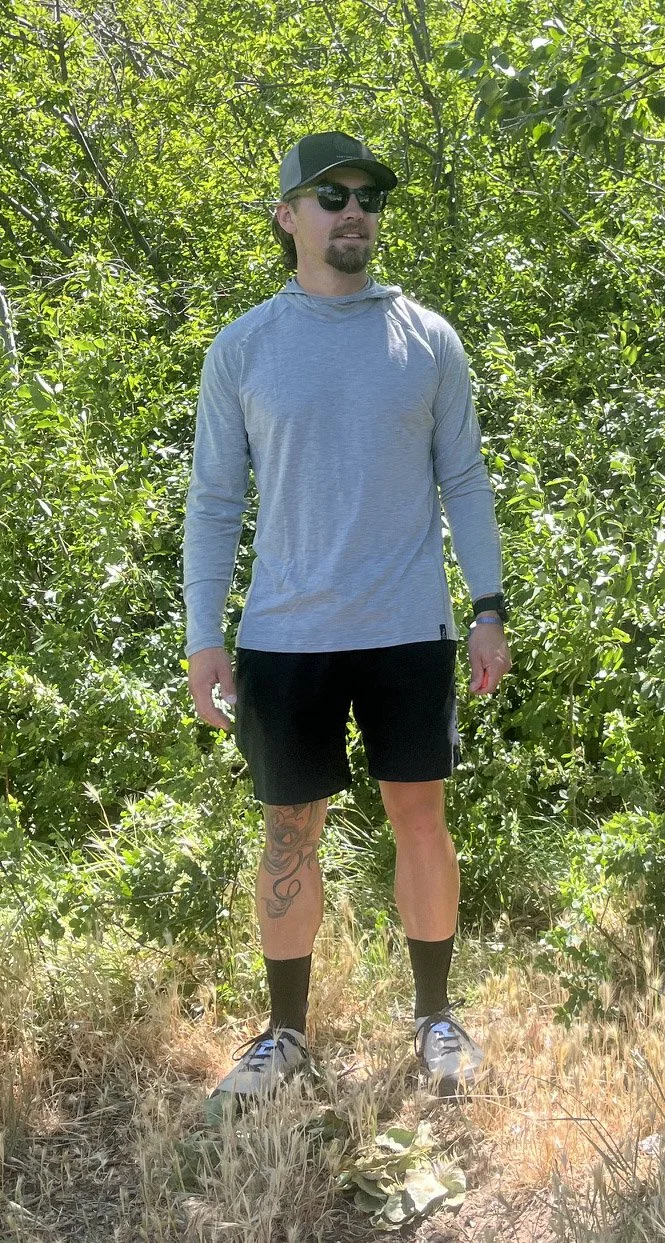
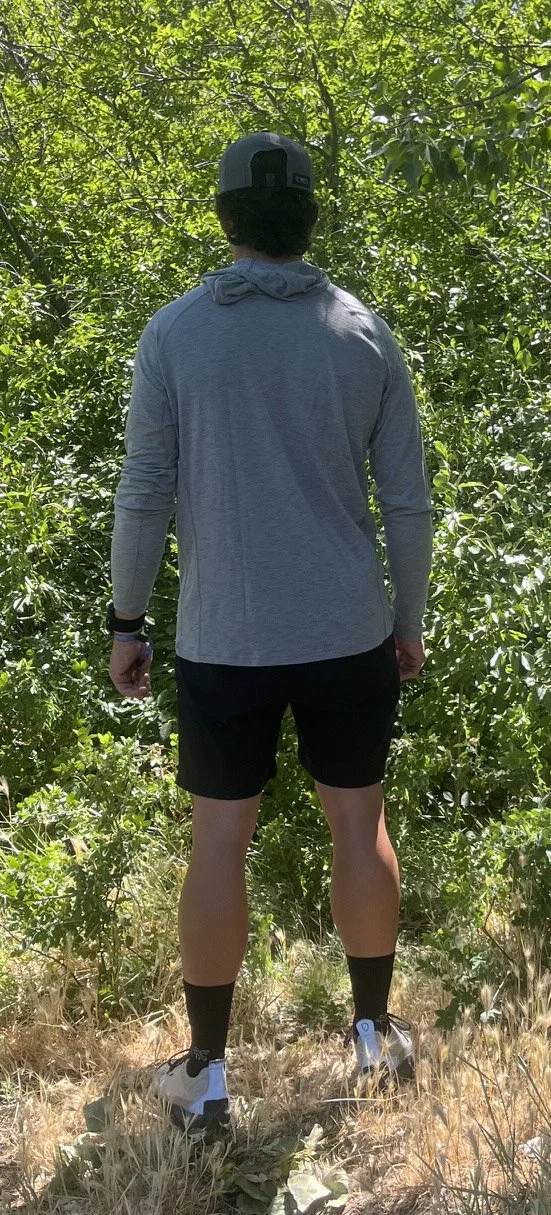
The Tern has a close, athletic fit, but it never felt like a compression layer. It sits close enough to wick well and layer cleanly under a wind shell, but it still looks normal enough to wear on its own.
That fit is part of why it works well for running and hiking. It did not bunch up under a running vest, and under a daypack it felt more like a thin base layer than a hoodie I had to keep adjusting. Around Reno-Tahoe, where I might start a hike in cooler morning air and end up climbing in exposed sun an hour later, that kind of fit is exactly what I want. It is easy to forget about, which is usually a good sign.
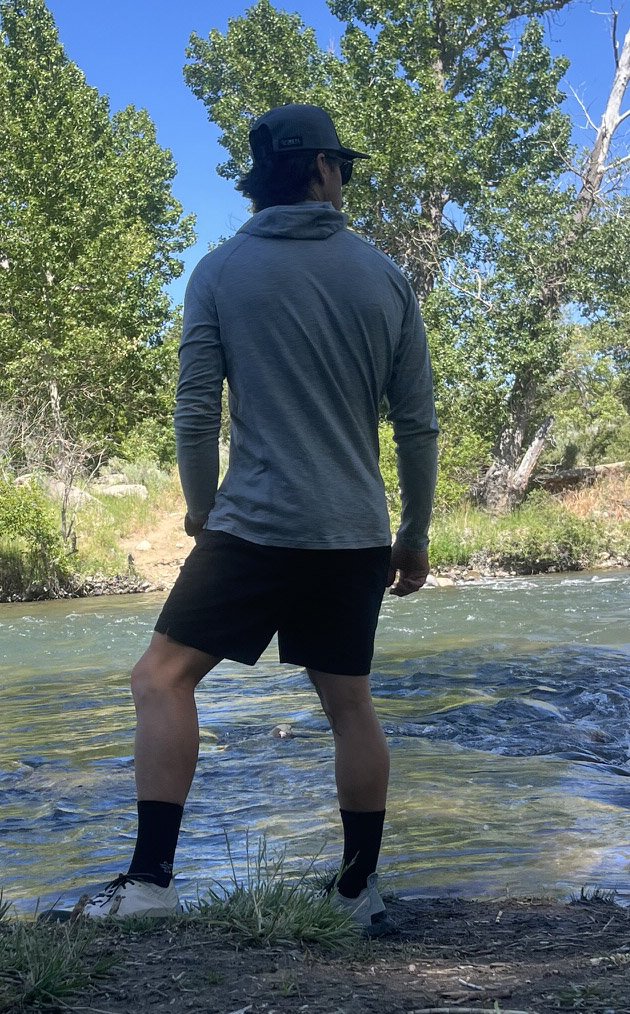

The fabric feels thin in the hand, and that is both the reason I liked it and the reason I paid attention to where I wore it. It has that airy, barely-there feel that makes it more useful in warm weather than other merino wool sun hoodies, but it still feels like an ultralight merino piece rather than a hard-wearing synthetic layer.
Warm Weather Performance
This is where the Tern impressed me more than expected. Merino wool is great for odor, moisture, and temperature regulation, but it is not always the first thing I want to wear when the day gets hot. Some merino sun hoodies feel awesome in the morning and then start feeling like too much once the trail turns exposed.
The Tern handled that better than I expected. I was comfortable running in it around 70–75°F, especially when the pace was steady and there was a little air moving. For high-output running above 80°F, I would still rather be in a lighter synthetic sun hoodie or short sleeve. It can do it, but I would not call that its sweet spot.
For hiking around 80°F, though, the Tern felt much more at home. On slower climbs and exposed Sierra sections where I cared as much about sun coverage as pure airflow, the Tern felt comfortable in a way that heavier merino sun hoodies usually do not. It was especially nice on those high-sun days where the trail felt hotter than the actual temperature on your weather app.
Moisture, Odor, and Multi-Day Wear
This is where the Tern reminded me why I still like merino for long days outside. It does not feel swampy right away; it pulls moisture well, and it stays wearable after use in a way that most synthetic shirts just do not.
This is the kind of hoodie I would actually bring on a multi-day trip instead of packing three separate shirts. The odor resistance is good enough that it can earn its spot instead of turning into a one-and-done layer.
The lake dip was the moment that surprised me. On a hot hike, I jumped in with the hoodie on and expected it to stretch out or hang weird afterward (bag out). Some merino pieces do that. They feel great, dry, then get wet and start looking like they aged three years in ten minutes. The Tern held its shape much better than expected. It still felt like the same hoodie afterward, not a stretched-out wet rag pretending to be technical apparel.
That is where the blend started to matter in real use. It still felt like a merino layer, just one that held its shape better than I expected after getting wet.
Durability and Washing
The nylon blend gives the Tern a little more backbone than a pure merino hoodie, but it does not turn it into a brush-bashing layer. I would not wear it expecting it to shrug off repeated rock contact, overgrown trail, or heavy pack rub the way a synthetic sun hoodie might. If your hikes involve scrambling, squeezing through brush, leaning into granite, or dragging branches across your shoulders, I would be a little careful with it. Not precious, but aware.
For me, the Tern is easier to live with than a pure merino hoodie, but it still rewards a little care. Keep it away from Velcro, wash it correctly, and maybe do not make it your first choice for the kind of off-trail day where the route description already sounds like a bad idea.
Where It Works Best
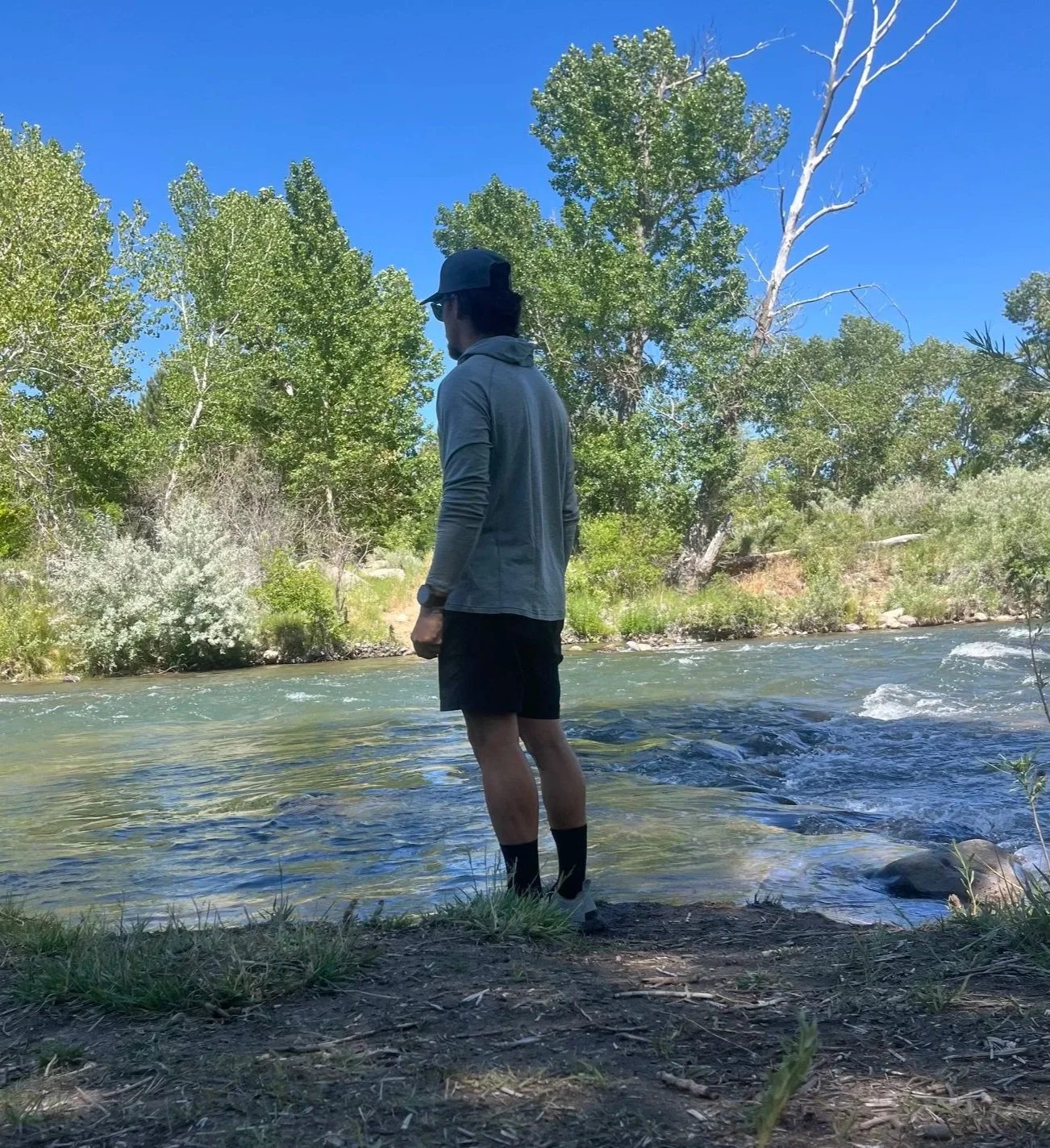
The Tern fits best on the kind of trip where one layer needs to cover a lot of ground: warm hikes, cool starts, high-altitude sun, travel days, and a few wears between washes.
Around the Sierra Nevada mountains, it felt especially good on days when the weather kept changing. Cool start, warm climb, exposed sun, maybe a lake stop, then a wind shell over the top when the breeze picked up near the ridge. That is the kind of day when I would rather have this hoodie than a basic synthetic shirt or a heavier wool layer.
It is also the kind of travel piece that is easy to justify. It packs small and can be worn more than once without making you feel like you are making a bad decision for everyone around you.
Final Thoughts
The Outdoor Vitals Tern Ultralight Merino Wool Hoodie got better the longer I used it. It is light enough to bring without thinking about it, comfortable enough for warm Sierra hikes, and much better for repeat wear than a typical synthetic sun hoodie. By the end, what I liked most was that it still included the merino parts I actually care about. It handled odor well, felt good against the skin, and did not feel as delicate or saggy as some pure wool pieces.
I still would not treat it like a rugged scrambling shirt, and it would not be my first pick for hard running once the temperature gets above 80°F. But for hiking, travel, camping, mellow runs, and multi-day use, the Tern is adventure-worthy.