

Icebreaker Merino Blend 75 Cool-Lite Featherlight Review: Superlight, Breathable, and Not Exactly Subtle

I’ve been using the Icebreaker Merino Blend 75 Cool-Lite Featherlight Short Sleeve mainly for running, with a couple of very hot family hikes mixed in. That ended up being the right way to understand this shirt. It is not trying to be your normal merino tee. It is not trying to look like something you casually wear to the pub after a run. Honestly, the first time I put it on, I had to laugh at myself because my first thought was that I looked a little like Doug from 50 First Dates.
That sounds like I’m dunking on it right away, but weirdly, it also explains the shirt pretty well. The Featherlight is thin, airy, and clearly made for the part of the day when you’re sweating hard, not the part where you’re trying to look normal afterward.
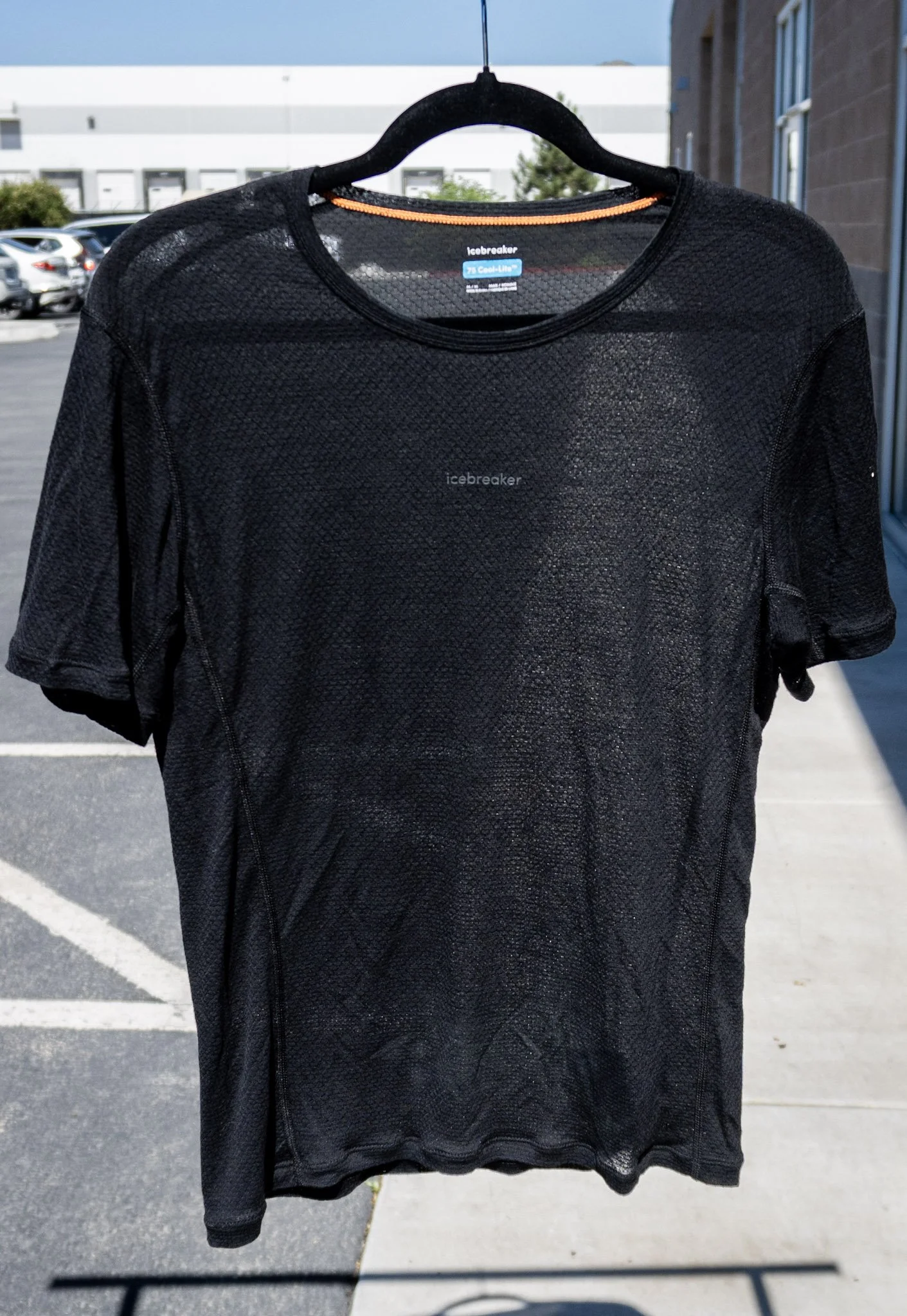
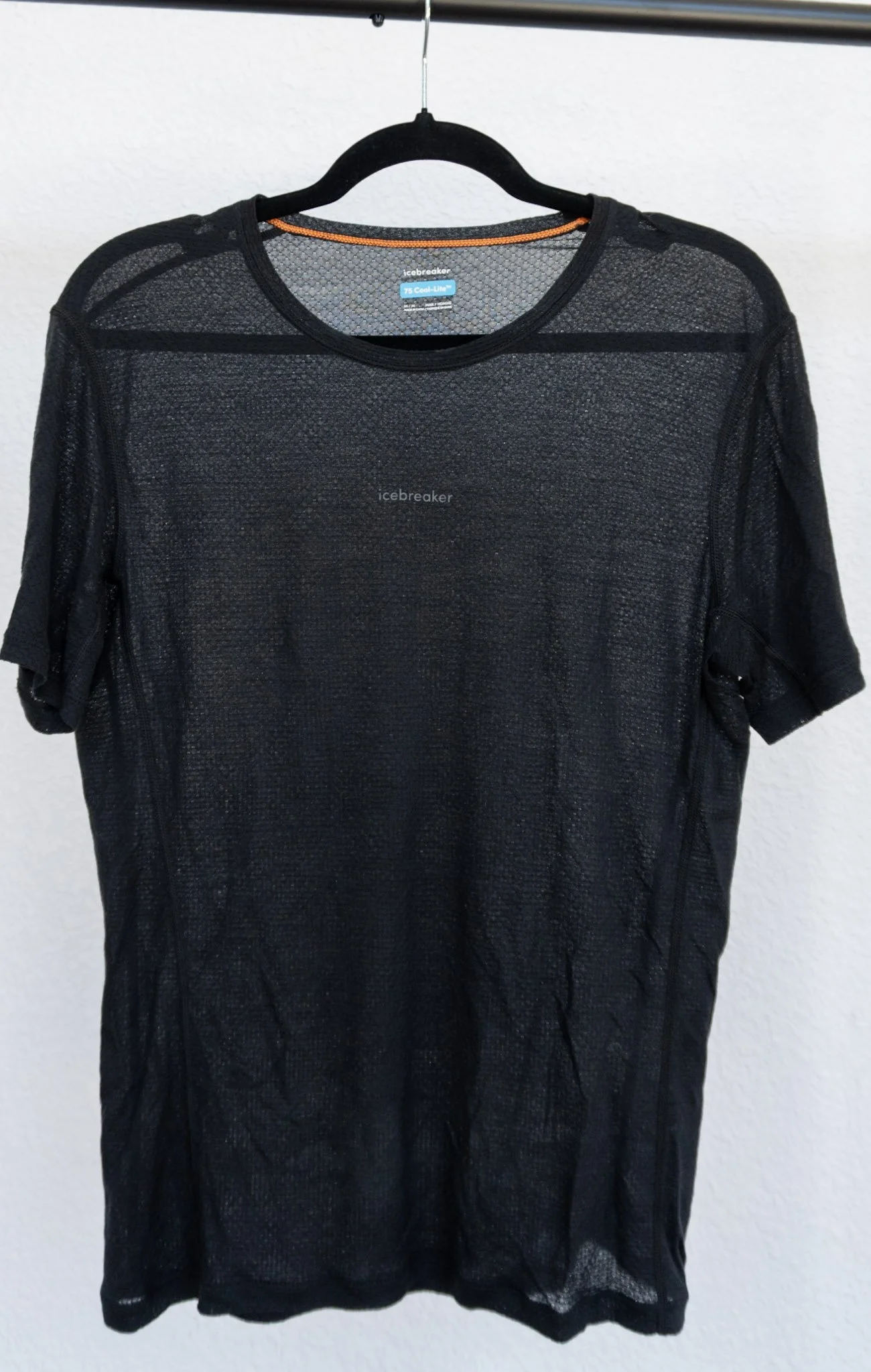
For hot runs, especially when the sun is out and the pace is not exactly mellow, that tradeoff works. The shirt disappears better than most merino-blend tops I’ve worn, and it breathes more like a true summer running piece than a normal wool shirt. The downside is that it is sheer enough that you probably won’t forget you’re wearing something this light. Or more accurately, everyone else probably won’t forget either.
The Verdict
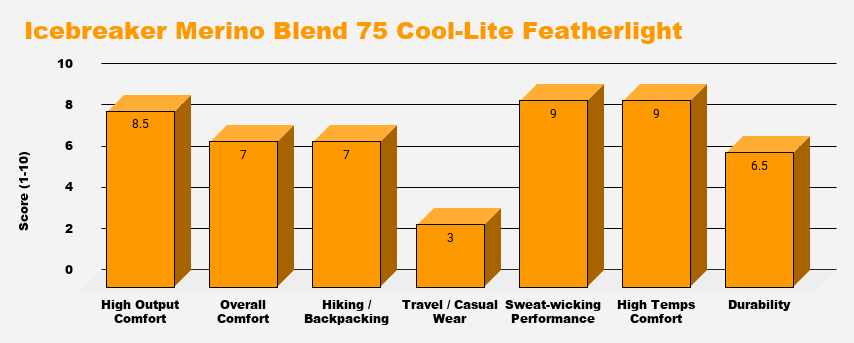
The Icebreaker Merino Blend 75 Cool-Lite Featherlight is one of the better merino-blend shirts I’ve worn for actual peak-summer running. Not shoulder-season jogging. Not cool morning travel days. Real hot-weather running where airflow matters more than looking put together at the coffee shop afterward.
The fabric blend is what keeps this shirt from feeling like a normal wool tee. You get the cool, smooth, almost silky feel from the TENCEL Lyocell side, with just enough merino wool to help with odor resistance and comfort over longer days. It does not have the same cozy wool feel as a heavier merino shirt, but that is not the goal here. The goal is to keep you from feeling like you accidentally wore a base layer on a July run.
For runners who like merino properties but usually find merino too warm for summer, this shirt is pretty darn good. It is light, breathable, and quick to dry once you stop moving. On sweaty runs, it never felt heavy or swampy, and it handled odor better than a lot of pure synthetic running shirts.
The catch is that all this airflow comes with a pretty obvious tradeoff. The fabric is thin enough that it does not look or wear like a normal tee, especially once the run is over and you are sitting somewhere with actual lighting. That is where this shirt draws the line. If you want peak warm-weather performance with a touch of merino odor control, it is excellent. If you want one shirt that can run hard, hike with the family, and still look normal afterward, this one gets more complicated.
+What We Like
Extremely light and airy for hot-weather running
Breathes well while handling odor better than most synthetic shirts
Dries quickly and does not feel heavy once soaked with sweat
-What We Don’t Like
Very sheer, especially for casual wear after a run
Slim, performance-focused fit will not be for everyone
The light fabric makes it feel more delicate than a standard running shirt
No dropped rear hem for extra coverage
Nitty Gritty
Fabric: 80% TENCEL Lyocell / 20% wool, exclusive of decoration
Merino fiber: 18.9 micron
Weight: Ours weighed in at 80g in Size Medium.
Warmth system: 75
Fit: Slim performance fit
Length: Shorter cut
Construction: Cool-Lite eyelet fabric
Features: Side panels, offset shoulder seams, narrow chest and back fit for mobility
Care: Machine wash cold on gentle, no softener, no bleach, no tumble dry, line dry in shade
MSRP: $110 at the time of writing
Tested In
Location: Reno/Tahoe area and hot summer trail conditions
Activities: Trail running, road-to-trail runs, and short hot hikes with the family
Conditions: Warm to hot weather, dry sun, sweaty runs, casual post-run stops, repeated washing
Best use: Runners who want the lightest possible merino-blend shirt for summer heat
Fit and Fabric
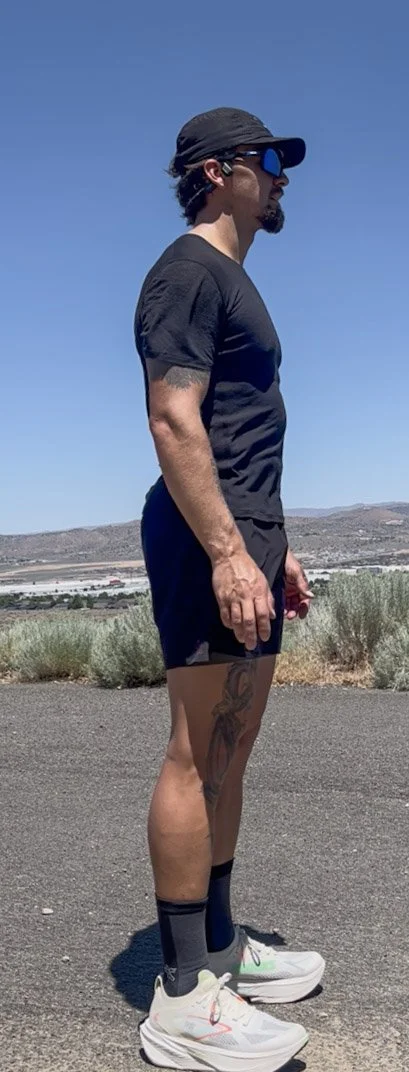

The fit is slim and clearly built around running. It is not skin-tight in a compression-shirt way, but it sits close enough that it does not flap around or hold extra fabric once you start sweating. The shorter length also gives it more of a race-day feel than an everyday merino tee. If you prefer a little room in your running shirts, I’d recommend sizing up.
On the run, nothing rubs. It stays out of the way, does not bunch up, and plays nicely with a running vest or small pack. The offset shoulder seams are also helpful with a vest, which is one of those details I usually only notice when a shirt gets it wrong. My only real critique is with the cut of the hem. I wish the back dipped slightly lower for a little extra coverage. On some runs, I noticed it rode up more than I liked and exposed my lower back when scrambling up steep pitches.
The fabric is what separates this from a standard merino running shirt. It is thin enough that it almost feels strange at first. Not bad, just obvious right away that Icebreaker was chasing airflow more than everyday wear. Compared to a standard merino shirt, the Featherlight feels cooler, smoother, and much less wool-like against the skin. You still get some of that merino comfort, but this is not the shirt I would grab because I want a cozy natural fiber feel. I would grab it because it is hot out, and I still want something that does not smell like a synthetic shirt after one hard effort.

Running Is Where the Featherlight Works Best
The Featherlight gets a lot better once you stop expecting it to act like an everyday tee. For running in the July heat, it is excellent. It moves moisture well, dumps heat quickly, and never has that heavy, clingy, wet-rag feeling that some lightweight wool shirts can get once they are fully soaked.
The airy fabric is especially nice when the pace picks up. A lot of merino pieces can work fine on mellow hikes or cool runs, but once the effort gets high, they start to feel a little too warm. The Featherlight does not have that problem in the same way. It breathes more like a summer running top than a traditional merino shirt, which is exactly what I wanted from it.
It also has that nice TENCEL feel where the fabric feels cool and smooth against the skin. It does not have the plasticky feel of some synthetic shirts, and it does not get scratchy once wet. That is a small thing in the first mile, but by the time you are fully sweating and the day is heating up, it becomes much more noticeable.
For runners who have wanted to use merino in the summer but keep finding it too warm, this is the Icebreaker shirt I would look at first. It gives up some of the casual look and some of the cozy wool feel, but it gains a lot of performance in the heat.
The Merino Blend Helps With Odor
Since this is only 20% merino, I would not expect it to handle odor like a heavier 100% wool tee. Still, the wool content does help. After normal runs, it stayed much more wearable than most fully synthetic running shirts I’ve used. It did not immediately get that sharp synthetic funk that shows up before the shirt is even dry.
For a full day out in the mountains, the odor control was good. Not magic, not “I am basically clean now,” but good. I could sweat in it, let it dry, and not feel like the shirt had completely turned on me by the end of the day.
After two days of consecutive use, it started to smell a little. That is about where I would draw the line. It does not get nasty, but it is not one of those merino pieces I would keep wearing for three or four days without thinking about it. The good news is that the smell washed out easily. It did not hang on to odor in that frustrating synthetic-shirt way where you wash it, dry it, put it back on, and immediately wonder what happened.
That is really what I wanted out of this shirt: better odor resistance than a normal summer running top, without feeling like I wore the wrong shirt for the heat.
Breathability and Sweat
The best thing about the Featherlight is that it stays quiet when the run gets hot. Standing around before a run, it almost feels too thin. Once you are climbing, sweating, and trying to keep from overheating, that thin fabric becomes the whole reason the shirt works.
For longer backpacking or rough hiking, I would be more hesitant. I would not want to drag it through brush, scrape it against rock, or wear it under a heavy pack for days without paying attention. But for short hot hikes, warm-weather runs, and anything where airflow is the priority, it does its job really well.
The Sheerness
The Featherlight is very sheer. That is part of why it performs so well in the heat, but it also gives the shirt a pretty specific look. On the trail, I did not really care. When you are sweating, breathing hard, and trying to keep moving, nobody is expecting you to look like you just stepped out of a catalog.
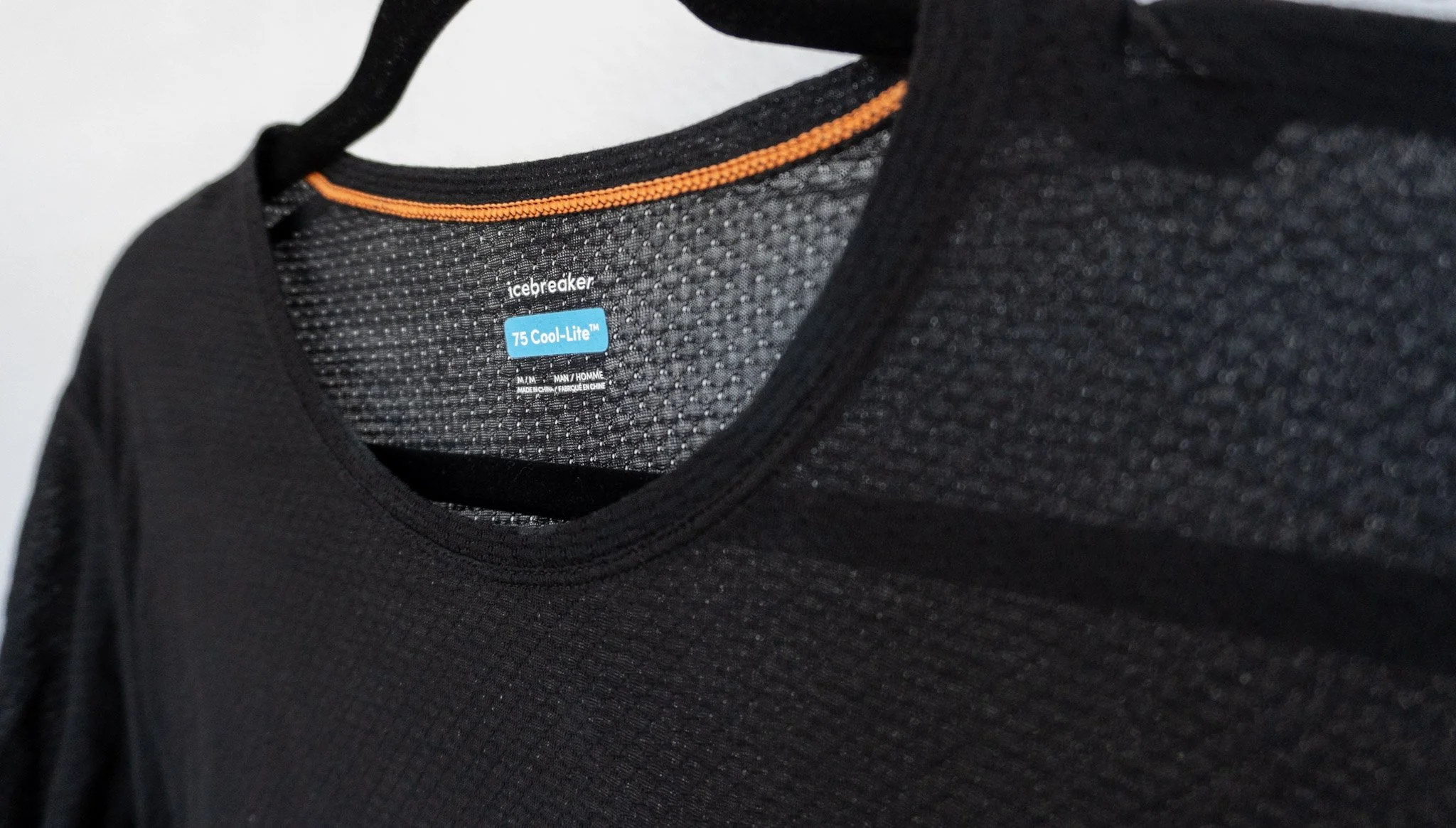
After the run, it is a different story. I wore it into a pub after a trail run with friends and immediately felt a little out of place. Not enough to ruin the shirt, but enough that I noticed it the whole time. It is one thing to wear a performance shirt on the trail. It is another thing to sit down for a burger looking like you just escaped a very serious treadmill lab.
I don’t think that makes it a bad shirt. It just means you need to know exactly what you’re buying. I would not buy this as a trail-to-town shirt. I would not pack it as my only travel tee unless the whole trip was built around running. And I would not expect it to replace a normal merino shirt for casual wear.
Hiking
For hiking, the Featherlight worked best on short, hot days where the main problem was heat, not durability. The shirt breathed well, dried fast, and never made me feel like I needed to change immediately after getting back to the car. The slim fit also helped because there was not a bunch of extra fabric sticking to me once I started sweating.
Still, I would not call this my favorite all-around hiking shirt. It is too light and too sheer for that. If I am going on a longer hike with brush, scrambling, a heavier pack, or a lot of sitting on granite and leaning into rough surfaces, I would rather have something with a little more fabric and a little more confidence.
For mellow summer hikes, I liked it. For bigger mountain days where I might brush against rocks, wear a heavier pack, or want one shirt to handle the whole day, I’d grab something a little more substantial.
Washing and Long-Term Wear
Icebreaker recommends washing this cold on gentle and line drying it in the shade, which is the right approach for a shirt this light. I would not treat this like a cheap synthetic running tee that gets cooked in the dryer every week and stuffed into the bottom of a bin.
The fabric feels delicate because it is delicate, or at least delicate compared to most running shirts. That does not mean it is falling apart, but it does mean I pay a little more attention to how I wash it. Cold wash, gentle cycle, no dryer. Pretty simple.
So far, odor has washed out easily, and the shirt has kept its shape well enough through normal use. I would still be careful with it around Velcro, rough pack straps, sharp brush, or anything that loves snagging lightweight fabric. That is just the deal with a shirt this thin. The same fabric that makes it so good in the heat is also why I would be a little careful with it.
Final Thoughts
The Icebreaker Merino Blend 75 Cool-Lite Featherlight Short Sleeve is a very specific shirt, and that is why I like it. It is not the merino tee I would pack for travel, camping, or a full trail-to-town day, but for hot runs where airflow matters more than anything else, it is genuinely good. The merino blend helps with odor, the fabric disappears once you are moving, and it handles sweaty summer miles better than most wool shirts I’ve used. If that is what you want, this shirt is pretty darn good. If the run ends at the pub, maybe pack a second shirt.