
KETL Lost Boys Merino Shirt Review: A Casual Shirt That Holds Up Outside

For a shirt that looks this normal, the KETL Lost Boys Merino top has become weirdly useful. That is probably the biggest compliment I can give it. It does not have that shiny synthetic jersey look where you walk into an airport, grab food after a ride, and immediately look like you are still halfway dressed for a workout.
The Lost Boys lives in that useful zone where I can wear it like a normal black tee, then forget I am wearing a normal black tee once the day turns into a ride, hike, run, or travel day. I have used both the short-sleeve and long-sleeve versions around Reno/Tahoe, in the Sierra, on mountain bike rides, trail runs, travel days, and multi-day hiking trips. The reason it has stayed in the rotation is pretty simple: I can wear it hard, wear it again, and not feel like I need to apologize to the people around me.
The Verdict
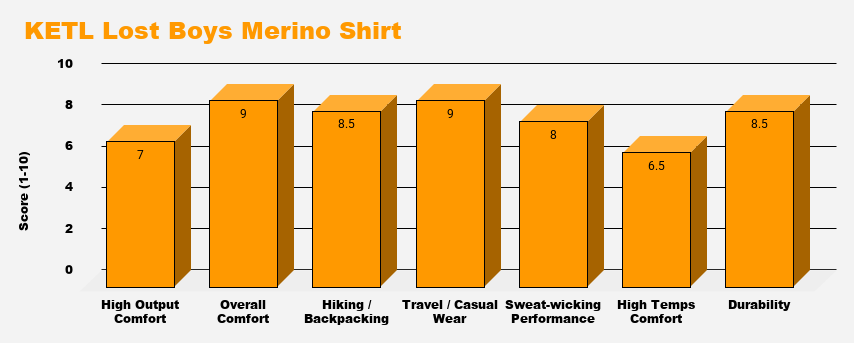
The Lost Boys has become one of those shirts I end up packing more than I expected. Not because it is the most technical shirt I own, but because it works on the trail and still feels normal everywhere else. The merino blend gives it real odor control, handles sweat well, and feels softer than most synthetic shirts, while the Tencel and nylon help it feel smoother and less delicate than a pure merino piece.
The short sleeve is the one I would grab most often for riding, travel, warm shoulder-season hikes, and general everyday use. The long sleeve adds just enough coverage to make it better for cooler mornings, light sun protection, layering, or those days when you want a little more fabric without going full hoodie.
After using both versions, I would point the Lost Boys toward someone who wants to pack fewer shirts and still be covered for a ride, a hike, a travel day, and whatever happens after. It is not my first pick for a hot summer tempo run or a full desert day when maximum airflow is the only thing I care about. But for 50- to 65-degree trail runs, mountain bike rides, hiking trips, travel, and those mixed days where the trail and real life overlap, it has earned a very real spot in my bag.
What We Like
Soft merino blend that works well for trail use and everyday wear
Excellent odor control for travel, hiking, and repeated wear
Breathes and wicks better than expected for a casual-looking merino shirt
Short-sleeve and long-sleeve versions cover different uses without feeling overbuilt
Easy to re-wear on trips without feeling like trail gear
Flatlock seams stay comfortable under a pack
Long-sleeve thumbholes are useful for layering and cooler starts
What We Don’t Like
Premium price for a shirt
Still needs better care than a basic synthetic tee
Only available in Black at the time of writing
Nitty Gritty
Versions Reviewed: Short Sleeve and Long Sleeve
Fabric: 45% merino wool, 45% Tencel, 10% nylon
Fabric Weight: 150 gsm
Short Sleeve Weight: 149 g in a size medium
Long Sleeve Weight: 191 g in a size medium
Sun Protection: Natural UPF 30+ coverage
Fit: Athletic cut designed for comfort and movement
Construction: Flatlock seams for chafe-free wear
Long Sleeve Details: Thumbholes for added coverage and easier layering
Best For: Hiking, trail running, mountain biking, travel, layering, and everyday wear
Price: $89 for the short sleeve, $94 for the long sleeve at the time of writing
Care: Wash cold on gentle and air dry. Avoid high heat in the dryer.
Disclosure: Adventure Worthy is associated with KETL Mountain Apparel, but this review is based on real testing and the same honest standards we apply to every product we review.
Tested In
Location: Reno/Tahoe, Sierra Nevada, travel days, local trail systems
Activities: Mountain biking, trail running, hiking, travel, casual wear
Conditions: Cool mornings, 50- to 65-degree runs, multi-day hiking, post-ride wear, airport travel
Versions Tested: Short Sleeve and Long Sleeve
Best Use: Active days where you still want to look like a normal human afterward
Fit, Fabric, and Everyday Comfort
The first thing I noticed with the Lost Boys is that it does not have the slippery, plasticky feel that a lot of performance shirts have. It is soft against the skin, but not in a fragile way where you immediately start worrying about backpack straps, bike packs, or brushing against a little trail junk. The fabric has enough stretch to move well, but it still hangs like a normal shirt.
The fit lands in the right place for this kind of top. It is athletic, but not tight. There is enough shape that it does not look sloppy, but it also does not cling like a base layer. That balance is a big reason the shirt works off the trail.
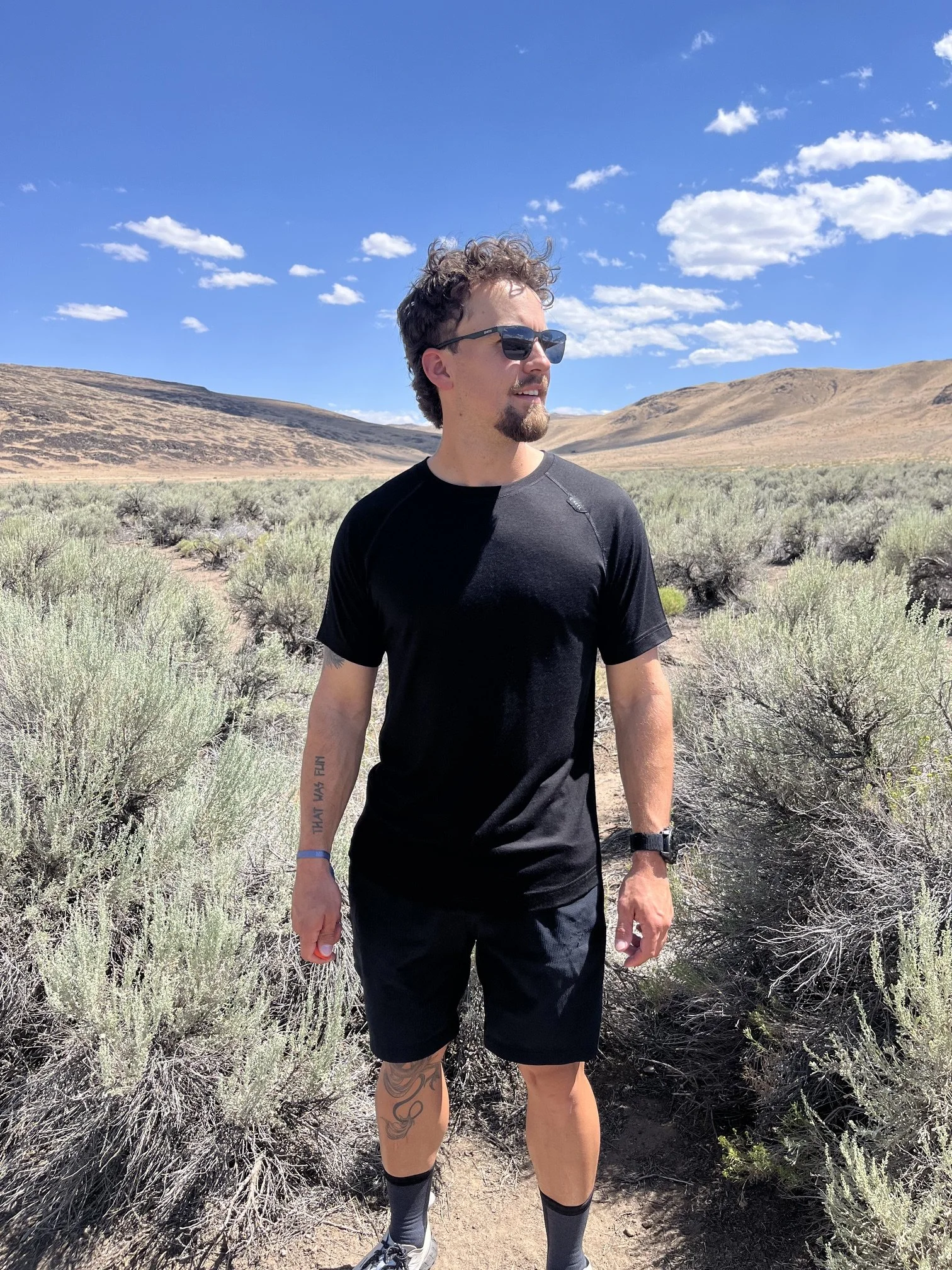
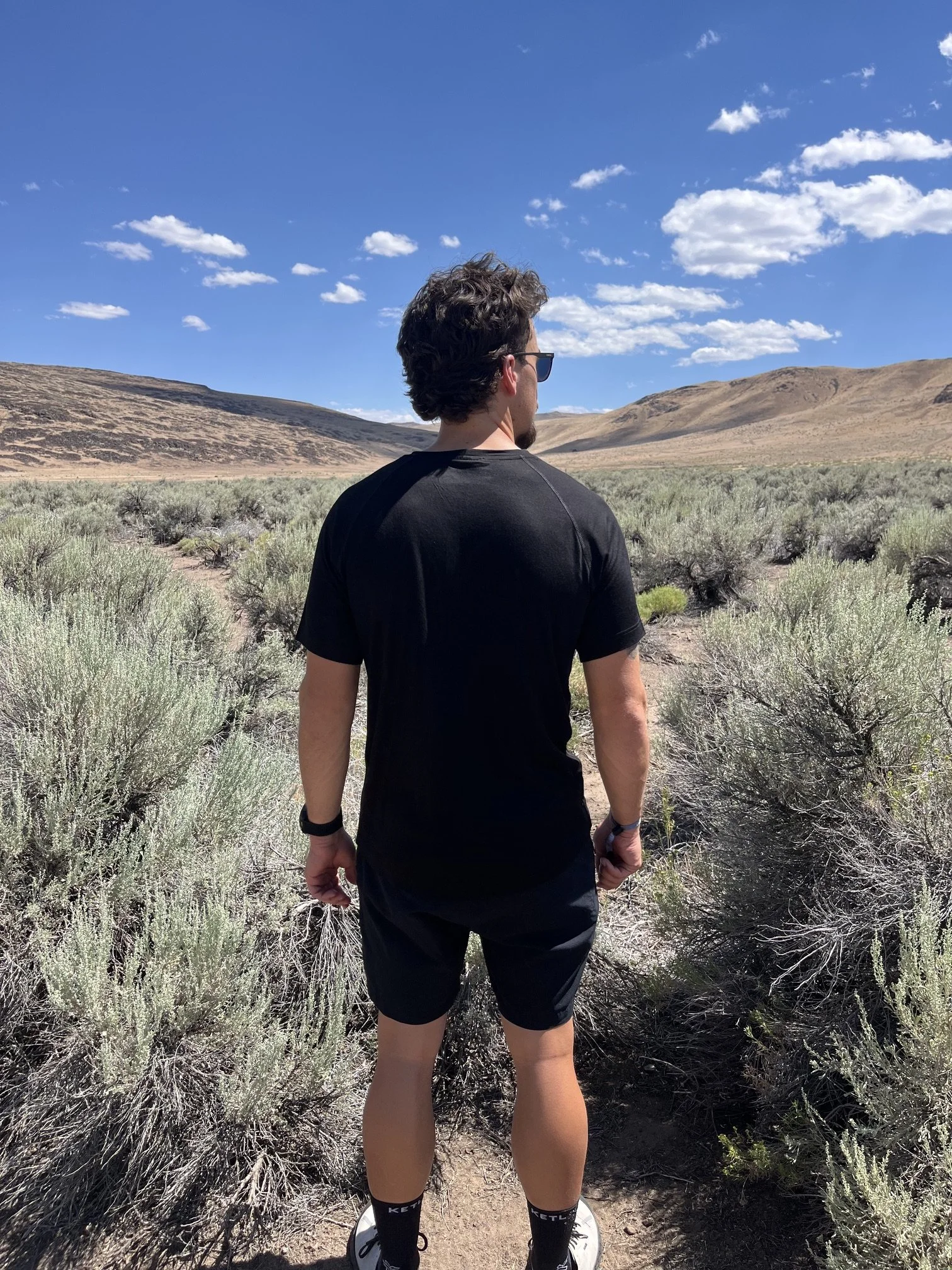
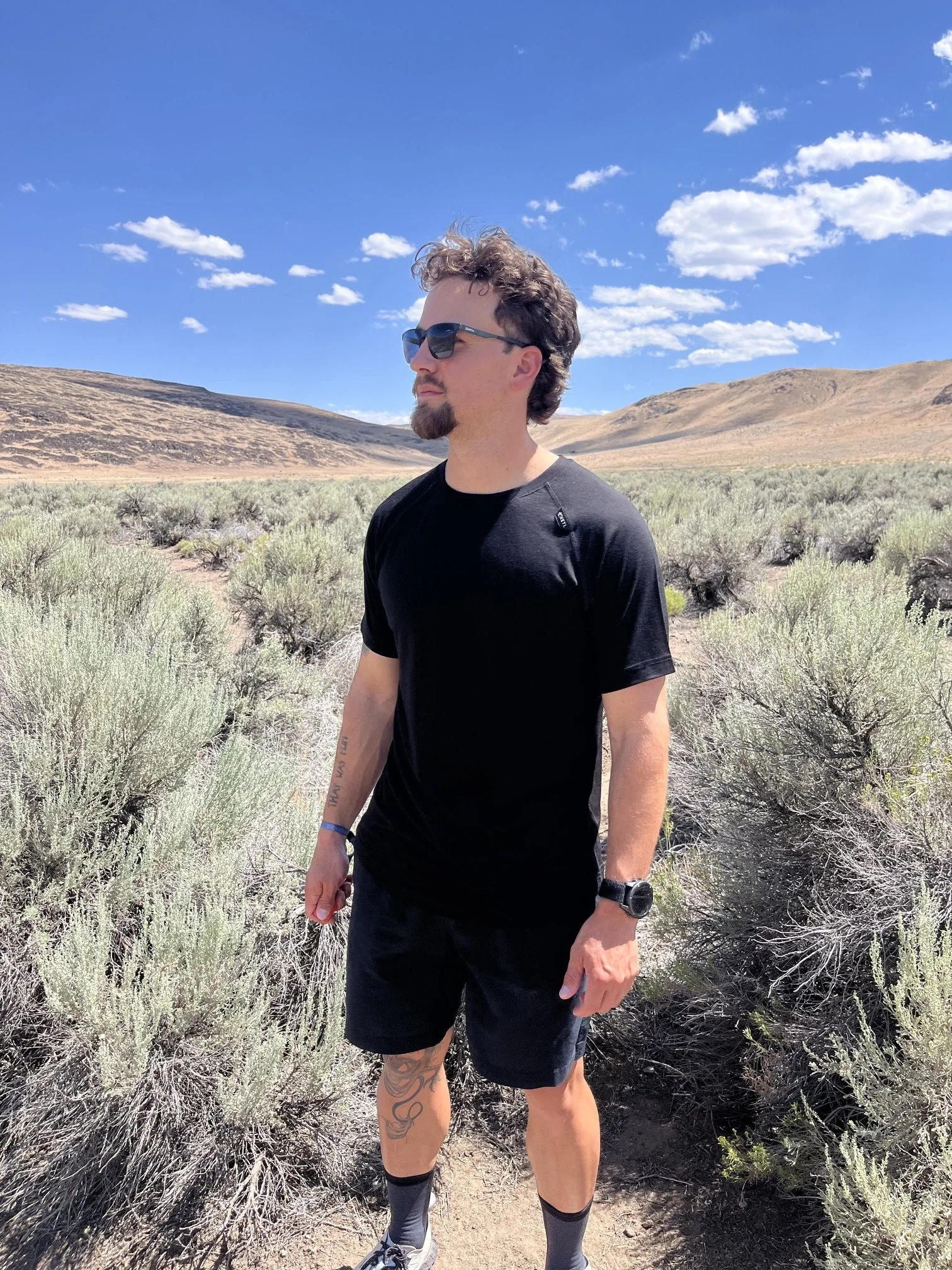
The short sleeve is the easier everyday pick of the two. It has been my easy grab when I want something that works for a ride, a hike, or travel without really thinking about it. The long sleeve is still simple, but the added coverage makes it better for cooler starts, shoulder-season use, and layering. The thumbholes are not something I use every time, but when I am pulling a jacket over it or starting a run before the sun has done anything useful, I appreciate them.
Mountain Biking in the Lost Boys
Mountain biking is where shirts like this usually get exposed. A shirt can be comfortable around town and still be annoying the second you are pedaling hard, wearing a hip pack, sweating into a climb, or moving around on the bike. The Lost Boys has handled that better than I expected.
For years, I would often ride in a basic cotton tee because cotton just feels good. The problem is that it feels good until it gets sweaty, heavy, and gross. The Lost Boys gives me a similar casual comfort, but it behaves much better once the effort picks up. It breathes well on climbs, dries quicker than cotton, and does not get that heavy, wet towel feeling once the ride starts turning into actual work.
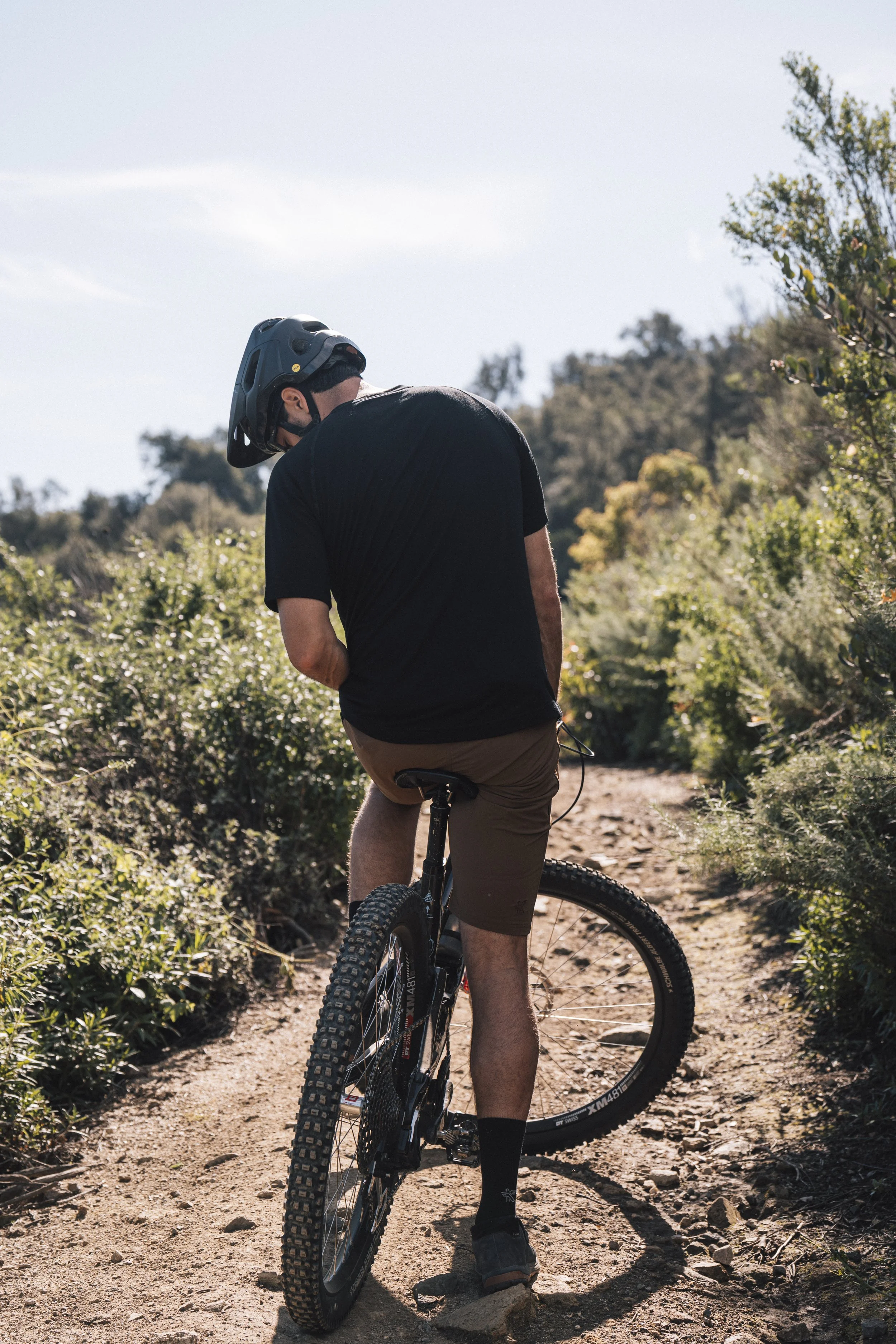
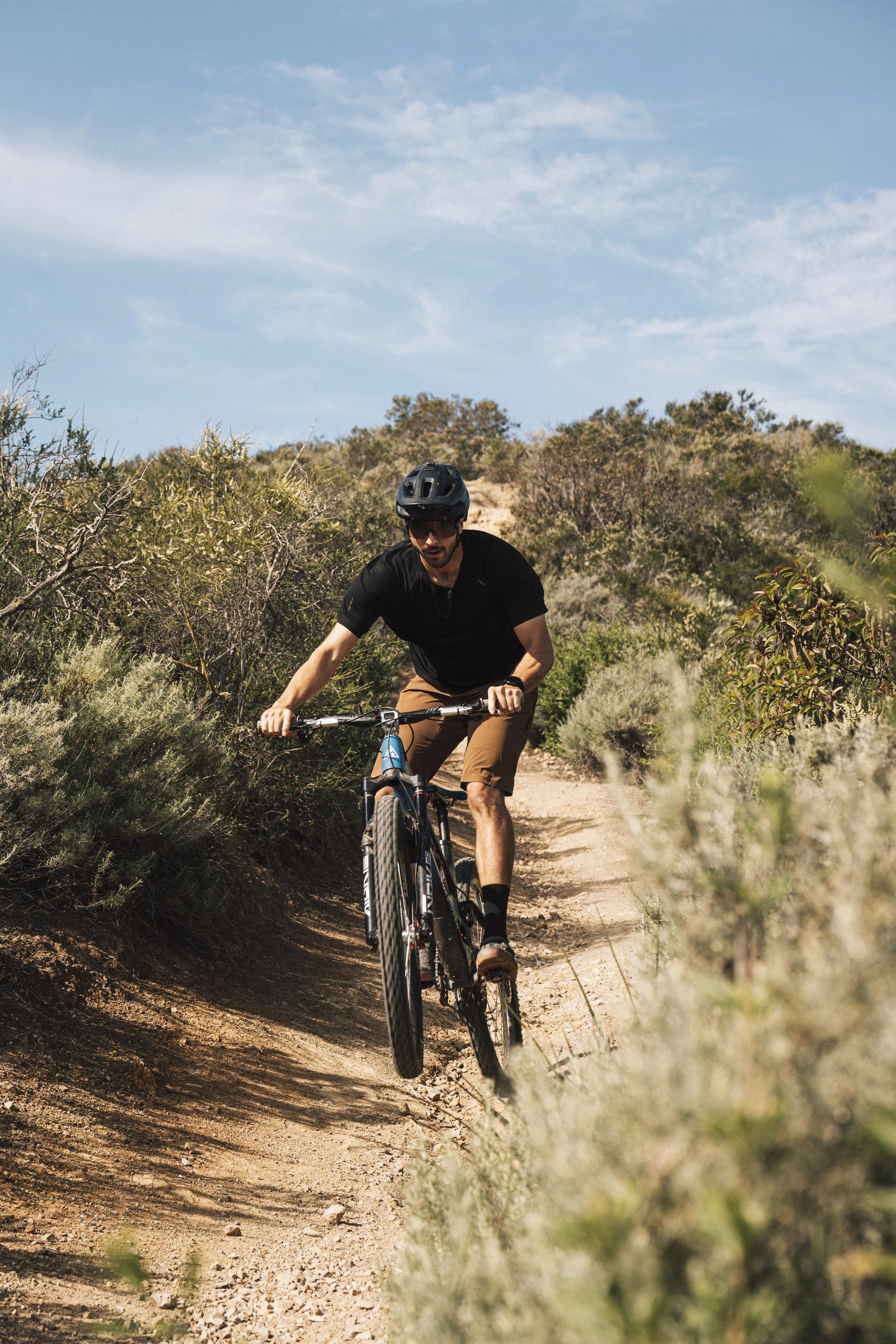
The short sleeve is my pick for most mountain bike rides. It has enough freedom of movement, it does not scream “jersey,” and it is easy to layer over or under depending on the weather. The long sleeve is better for cooler mornings or rides where I want a little more arm coverage without wearing a heavier layer. I would not call either version a replacement for a full MTB jersey if you want pockets, reinforced panels, or a more bike-specific cut, but that is not really the point. This is the shirt I would wear when I want to ride hard and still look normal afterward.
Durability has also been better than my usual merino expectations. I would not treat it like a heavy synthetic jersey or a work shirt, but I have not felt like I need to baby it. It has been stuffed in bags, worn with packs, used on rides, and washed plenty. So far, the fabric and seams have held up well.
Trail Running and Sweat Management
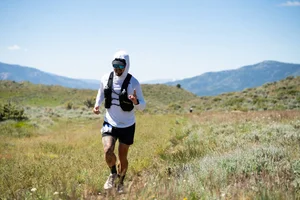
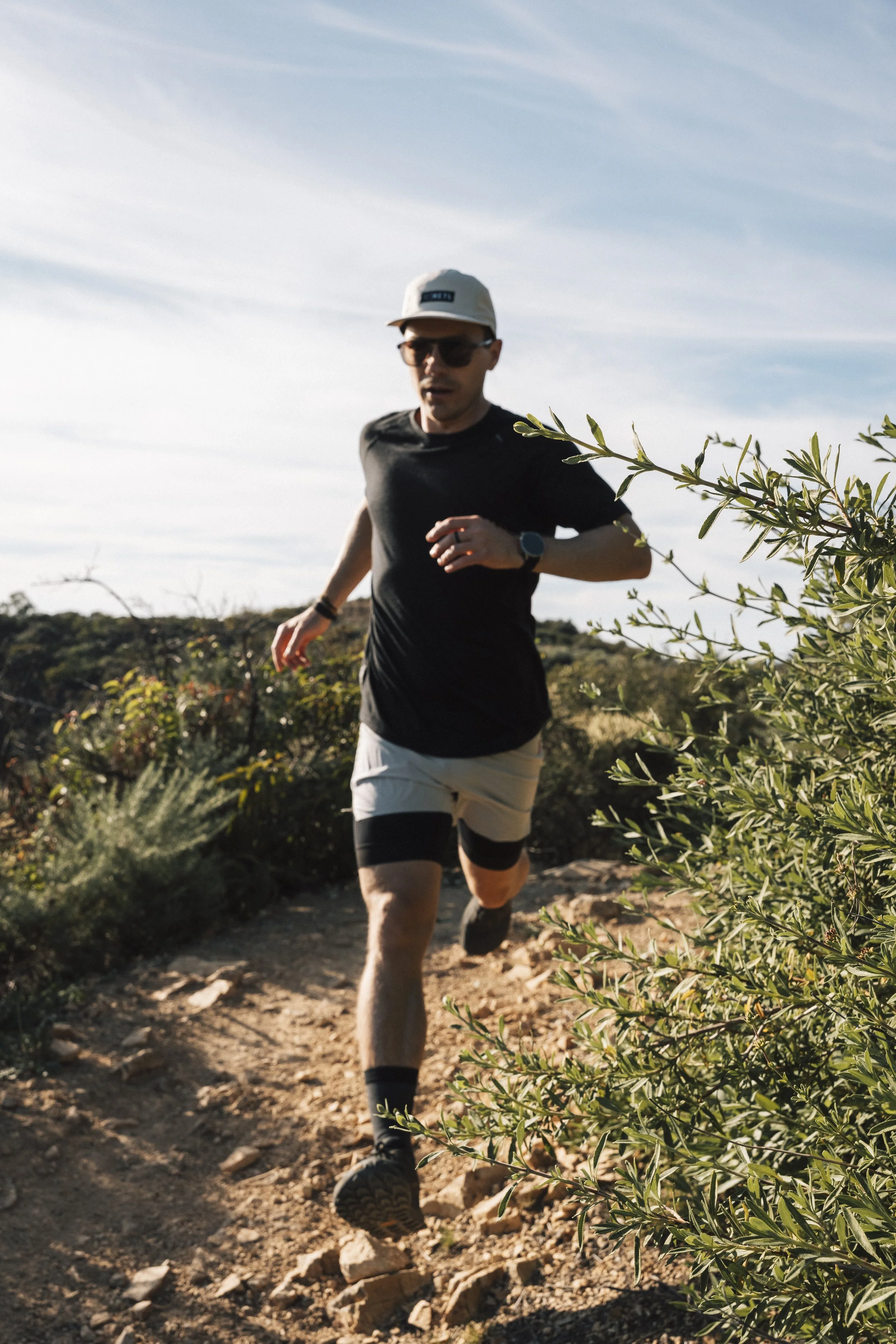
The Lost Boys is not a paper-thin race shirt, and I would not try to pretend it is. But in the right temperatures, it is a really good running top. My favorite window has been around 50 to 65 degrees, especially for runs where the morning starts cool and the effort ramps up quickly.
During some higher-tempo training runs, I could visibly see sweat beading out of the fabric. That is always a little funny to watch, but it is also a good sign that the shirt is actually moving moisture instead of just soaking it up and holding it against your skin. I was sweating hard, but the shirt never turned into a soggy mess or started sticking in a distracting way.
Where I would draw the line is hotter weather and harder efforts. If it is 75 degrees and I am running fast, I am probably choosing a lighter synthetic shirt. Merino regulates temperature well, but it still has a little more warmth to it than a thin polyester running tee. For cool mornings, shoulder-season trail runs, travel runs, and those moderate days where the temperature keeps changing, the Lost Boys works really well. For peak summer heat, I would rather go lighter.
The run was one thing. The bigger win was letting the shirt dry and not immediately banishing it to the laundry pile. With synthetic shirts, one hard run can be enough to make the shirt basically unusable for anything else that day. With the Lost Boys, I have been able to run in it, let it dry, and keep wearing it without feeling like I am playing a dangerous social experiment. That is exactly why merino keeps pulling people back in.
Hiking and Multi-Day Use
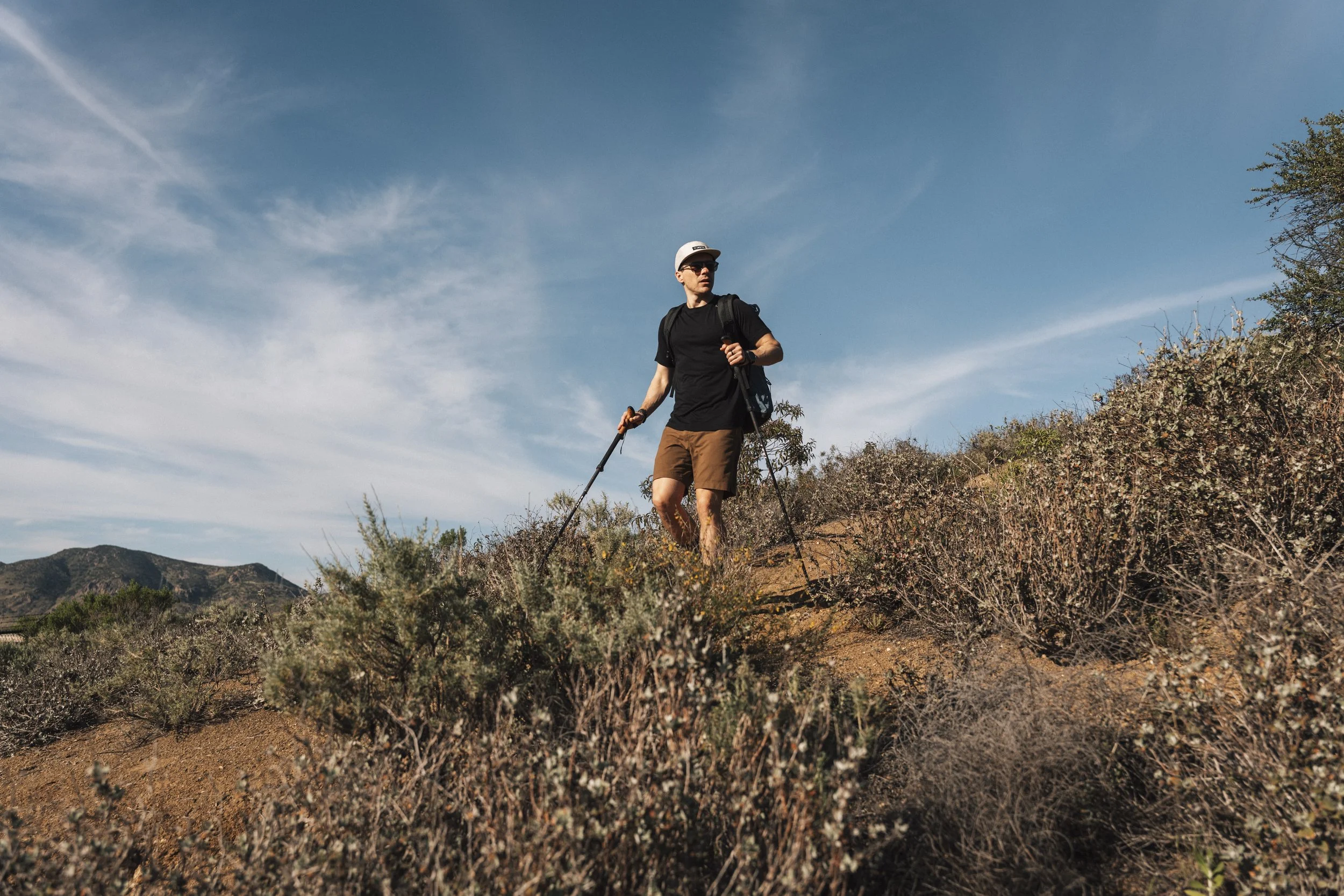
Hiking is where I started appreciating the Lost Boys less as a nice merino tee and more as a piece I could actually rely on for a few days. Under a pack, it stayed comfortable, breathed well enough on climbs, and did not turn nasty after one sweaty day.
I packed both the short sleeve and long sleeve for a multi-day hike, and by the time I got home, the review from my wife was that I smelled like dirt, not dirt and sweat. Honestly, that might be the most useful testing note in this entire review. Dirt is fair. Dirt and old sweat are where things start getting rough.
The flatlock seams help under a pack because there are no obvious rub points that grab your attention after a few hours. The fabric also has enough stretch that it moves naturally with trekking, scrambling, bending, and all the little awkward stuff that happens on the trail. The long-sleeve version is especially nice for cooler mornings, breezy ridges, or light sun coverage when I do not want to jump into a full sun hoodie.
The short sleeve is better when I want more airflow or know the day will be warmer. The long sleeve is better when I want one layer that can handle a wider temperature swing. Either way, the odor resistance is what makes it worth packing over a normal synthetic tee. On a multi-day trip, being able to re-wear a shirt without feeling disgusting is not just nice. It changes how much clothing you need to bring.
Travel and Packing Light
Travel is where the Lost Boys start saving space in the bag. The Lost Boys still look casual enough that I do not feel out of place at the airport, in a coffee shop, or walking around town. It does not have loud branding, bright panels, or a cut that gives away that it is secretly an outdoor shirt. It just looks like a clean black tee or long sleeve.
Because of the merino blend, I can also pack less. For a five-day trip, one or two Lost Boys shirts can cover a surprising amount of wear if you are willing to rewear, air-dry, or rinse one out if needed. That is especially helpful when I am trying to keep a travel bag light and avoid bringing a shirt for every single day, like I am packing for summer camp.
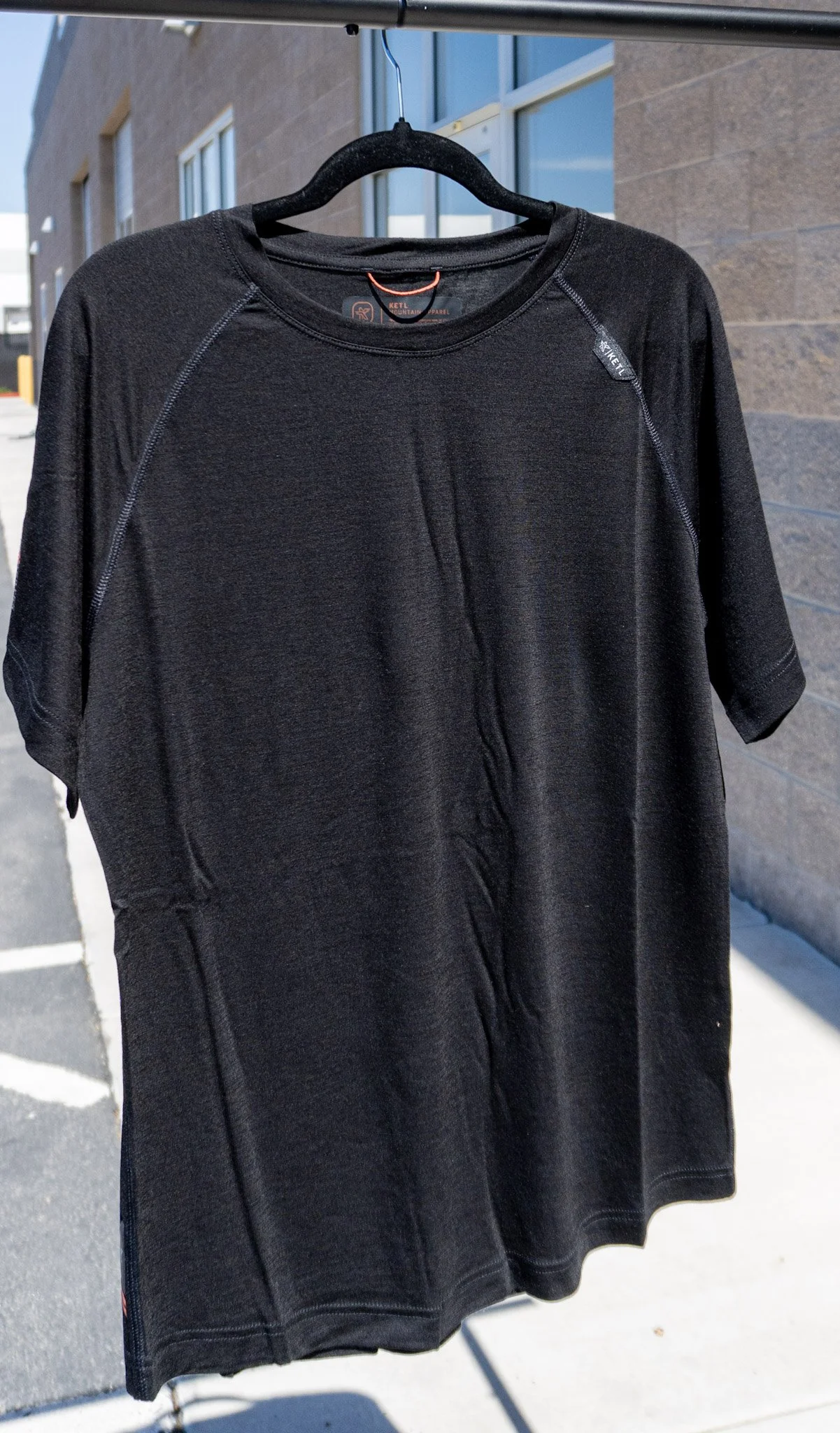
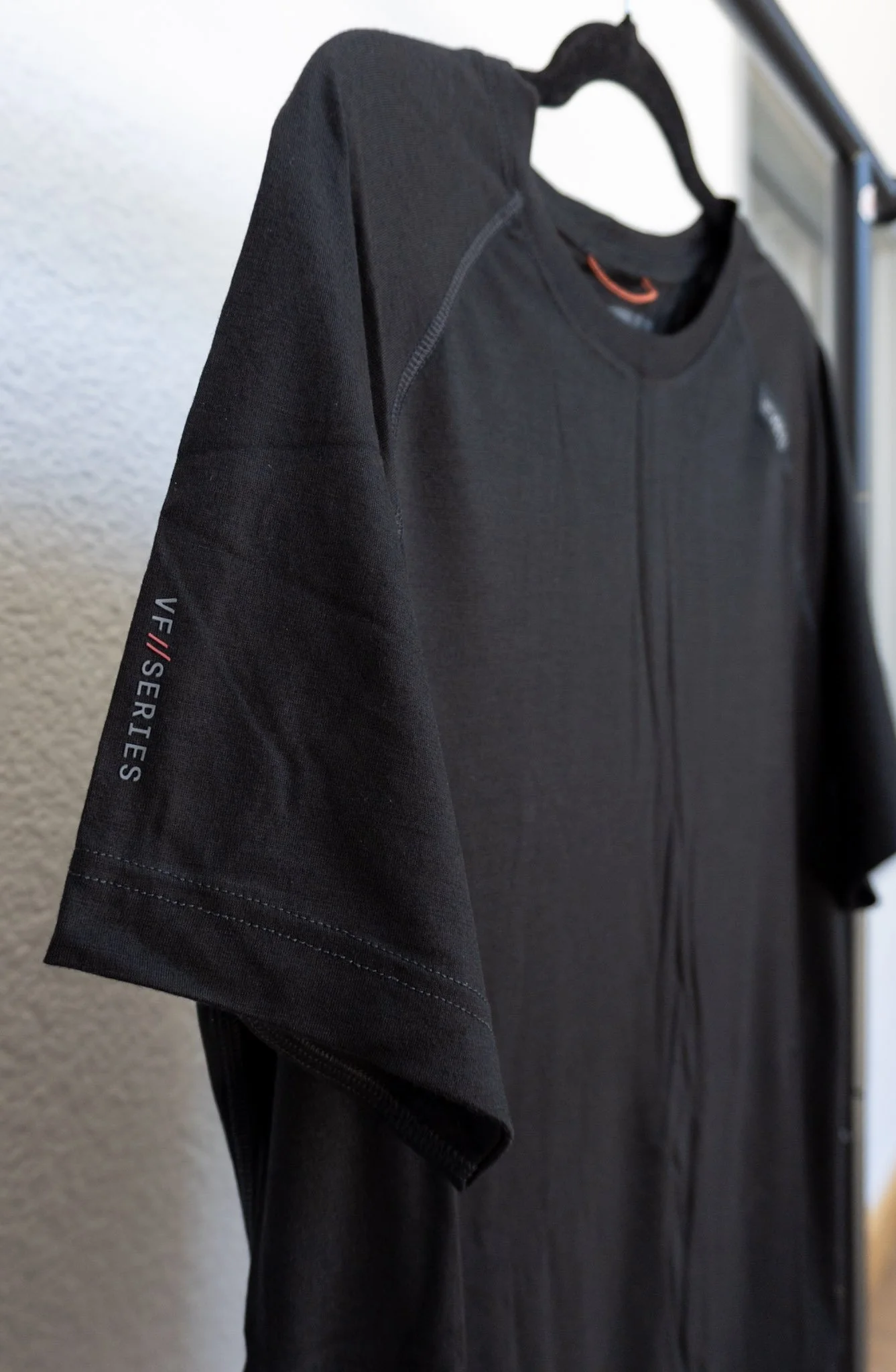
It also works well for the kind of travel day that turns into more than travel. Wear it on the plane, hike later, grab food after, then wear it again the next morning. That sounds basic, but most shirts I pack are either nice enough to travel in or useful enough to sweat in. The Lost Boys is one of the few that can bounce between both without making me feel like I am permanently dressed for a trailhead.
Short Sleeve vs. Long Sleeve
The short sleeve is the easiest one to recommend if you only want one. It is lighter, more casual, and better for warmer days. I like it most for mountain biking, travel, everyday wear, and trail runs where the temps are cool but not cold. It is the version I would throw in a bag first because it is the easiest to wear in more situations.
The long sleeve is more of a shoulder-season and layering piece. It gives you more coverage, the thumbholes are useful under a jacket, and it is better when the morning starts chilly or you know you will be out for a while. I also like it for hiking because the extra coverage helps without making the shirt feel heavy or overbuilt.
If you run warm, start with the short sleeve. If you spend a lot of time in cool mornings, shoulder-season weather, travel, or layering situations, the long sleeve might be the better call. If you are a merino person already, you will probably end up wanting both, which is annoying but also understandable.
Durability, Care, and Trade-Offs
The Lost Boys is more durable than I usually expect from a lightweight merino shirt, but it is still merino. That means I would not toss it into the dryer on high heat, grind it through rough wash cycles, or treat it like a cheap synthetic gym shirt. Wash it cold, hang it dry, and it should stay happier for longer.
The fabric blend helps. The Tencel gives it a smoother feel, and the nylon adds some toughness compared to a pure merino shirt. That is part of why it works for riding and hiking instead of just travel or casual wear. Still, if your main priority is maximum abrasion resistance, a synthetic MTB jersey or heavier hiking shirt will be better.
The other trade-off is price. At $89 for the short sleeve and $94 for the long sleeve, this is not a cheap tee. The value comes from how often you can wear it and how many roles it fills. If you only want a shirt for sweaty summer workouts, there are lighter and cheaper options. If you want one shirt that can handle a ride, run, hike, travel day, and dinner afterward, the price is easier to justify.
Final Thoughts
The KETL Lost Boys Merino Shirt is not loud, flashy, or overly technical, and that is why I like it. It is not trying to be a race shirt, a bike jersey, a hiking uniform, or a travel gimmick. It is just a good merino top that keeps finding its way back into my bag.
The short sleeve has become the easy grab for riding, travel, and everyday use. The long sleeve adds enough coverage to make it better for cooler starts, light layering, and hiking days where I want a little more protection. Both versions handle sweat better than a casual shirt should, and both stay wearable far longer than most synthetic tops after hard use.
It is not the shirt I would pick for the hottest run of the year, and it is not the cheapest way to buy a black tee. But after using it across mountain biking, hiking, trail running, and travel, the Lost Boys has proven itself in the most honest way possible: I keep packing it, keep wearing it, and keep being glad I brought it.